
CATL launches a "dual electric range extender" with 5-minute charging that promises to save 59,800 euros in diesel costs over 3 years
21/10/2026 16:00
Updated to
21/10/2026 16:00
In 2022, only 5.2% of heavy trucks sold in China were electric. By September of this year, they accounted for 50.28% of sales, with many of them using batteries from CATL, the Chinese manufacturer that dominates the global electric vehicle battery market, holding nearly 40% of the market share from January to July.
More than 430,000 heavy electric trucks already use its batteries, accounting for over 70% of the global market by brand. That’s why CATL considers the debate between diesel and electric trucks over: now the competition is among electric trucks, and to win it, it has introduced a “dual electric long-range” system along with expanding its Qiji battery swap network for trucks.
Two batteries instead of a combustion engine
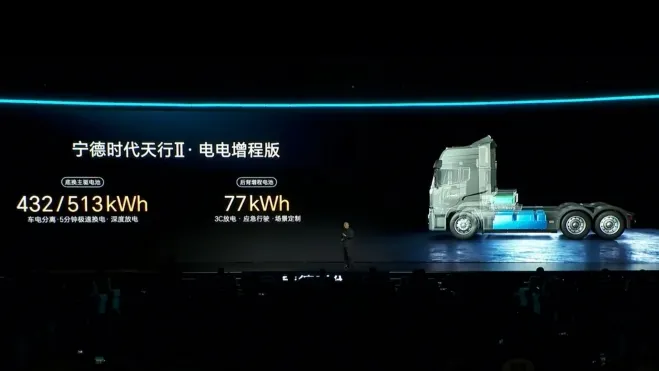
Typically, an electric vehicle with extended range has a small gasoline engine to recharge the battery. Not so here. CATL uses an “A+B” architecture where both components are batteries.
Battery A is located at the bottom of the truck and serves as the main battery. It can be replaced in just a few minutes at the swap stations already installed by the company across the country. The main battery holds between 432 kWh and 513 kWh of energy and can be rented instead of purchased, reducing the initial cost.
Battery B is a fixed 77 kWh package that acts as a backup. It’s essentially the electric equivalent of a motorcycle’s spare tank: it comes into use when the main battery is depleted.
Drain the main battery to 5%
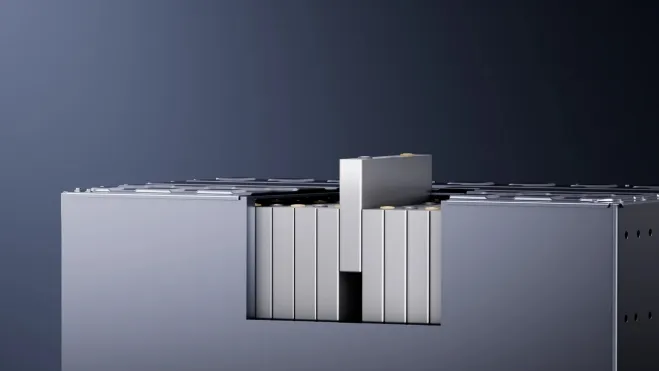
The advantage of this system is that it allows the main battery to be drained to 5% charge without worrying about running out of power halfway through a journey. When needed, the truck switches to using the backup battery pack.
Combined with a battery swap that takes just five minutes, CATL aims to enable electric trucks to operate with the same efficiency as diesel trucks while reducing overall costs. According to their calculations, this system can save more than 59,800 euros over three years compared to a comparable diesel truck.
Qiji aims for 900 stations by the end of 2026
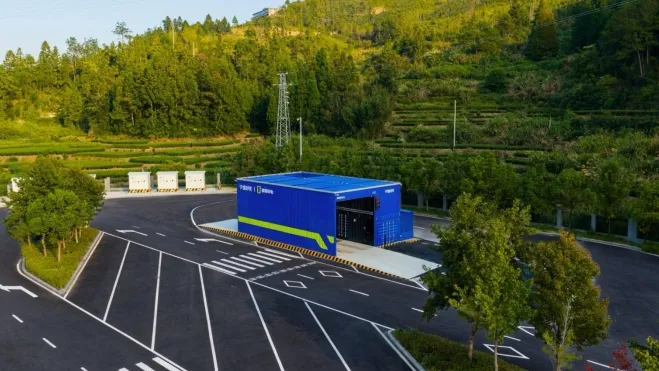
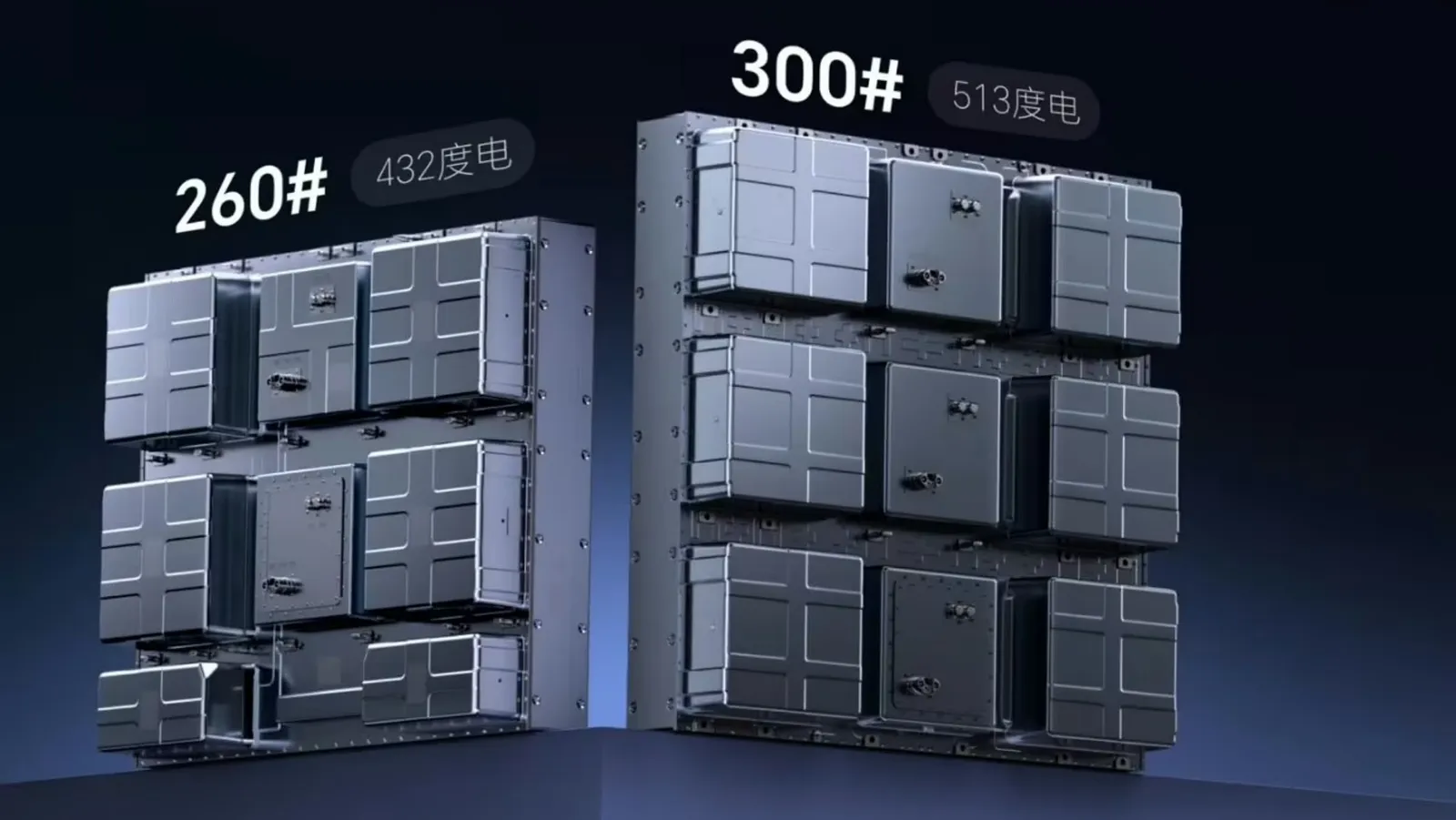
Qiji Energy, CATL’s subsidiary focused on truck battery swapping, plays a key role in this expansion. The battery modules are standardized in two formats: the 260#, with 432 kWh capacity, for trucks with a wheelbase of 3.8 meters, and the 300#, with 513 kWh capacity, for those with a 4.2-meter wheelbase. Currently, there are five major routes in operation, covering over 5 million kilometers of stable usage. The goal is to reach 900 stations by the end of 2026 and 2,000 by 2027, covering the entire national highway network. In the long term, the target is 10,000 stations.
During the launch event, CATL signed agreements with 14 partners, including logistics companies such as SF Express, ZTO Express, and YTO Express. The initial order quantity is 13,000 units.
Four Tectrans II batteries for each type of work
CATL also introduced four variants of its Tectrans II battery. The Ultra-Light is designed for short trips with normal loading and weighs less, allowing more usable capacity. The Ultra-Thin, intended for construction trucks and dump trucks, reduces the thickness from 860 to 580 millimeters and enables 8.8-meter cargo boxes. The short-range version, at 3.35 meters like a diesel truck, is suited for mountainous areas and ports. And the Long-Range version, for long distances, has a capacity of up to 760 kWh, offers over 600 kilometers of range, and operates at 800 volts.