
CATL begins manufacturing batteries in Europe: its new plant will produce up to 100 GWh per year
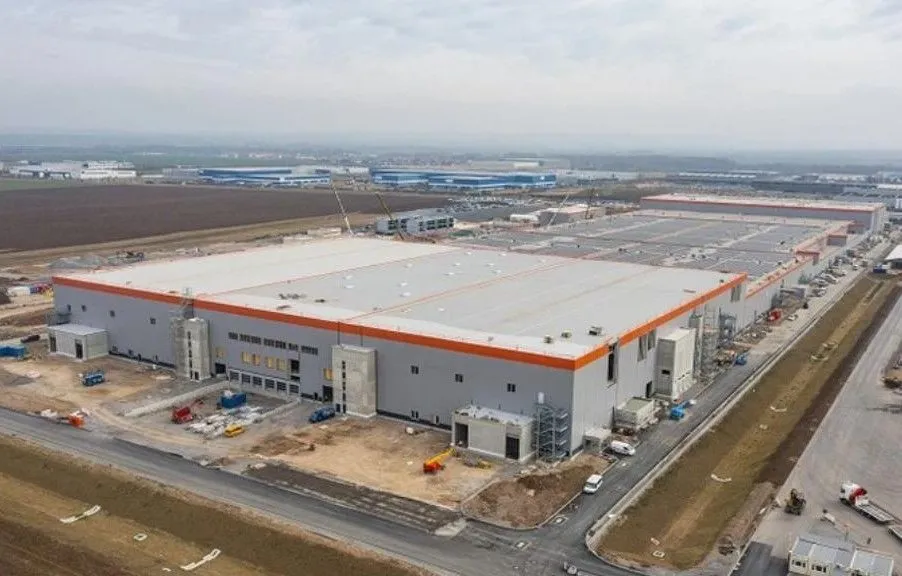
CATL has taken an important step in launching its new battery factory in Europe. The Chinese company began initial cell production tests at its plant in Debrecen, Hungary, this week, after completing the necessary procedures to start this phase.
For now, this is pilot production rather than the beginning of mass manufacturing. The first two production lines have already started operating to adjust the equipment, optimize processes, and ensure everything is ready before moving to larger-scale production. CATL has not yet announced a specific date for starting mass production, but it is expected to happen before the end of the year.
The move holds special significance for the European market. To date, CATL has already been producing battery modules in Debrecen, a process that began in the fall of 2024 and has now resulted in 537,000 modules manufactured. The company is now taking the next step by starting to produce battery cells itself, which will enhance the level of integration of its production in Europe.
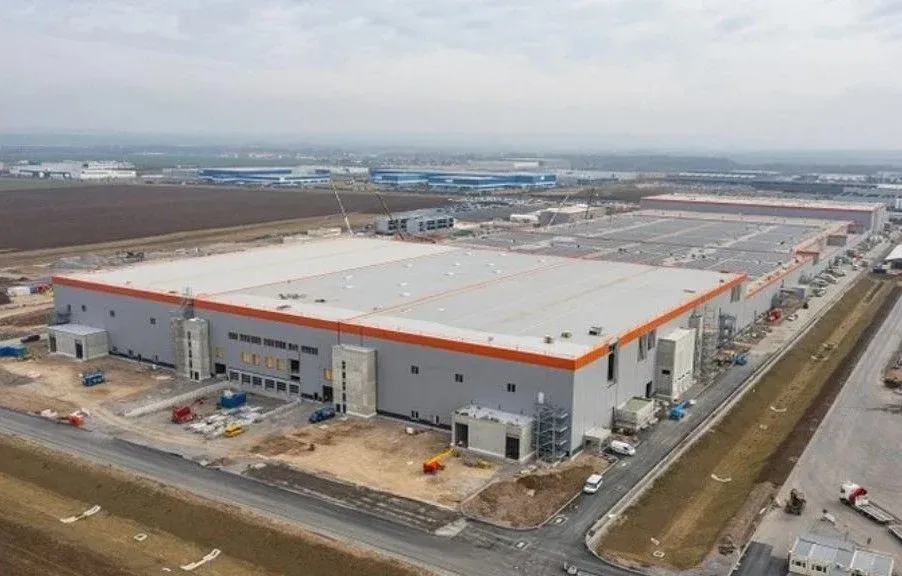
Once fully completed, the new facility will be CATL’s largest factory outside of China, with an expected capacity of 100 GWh per year—enough to produce 1.4 million 70 kWh batteries. The project was announced in August 2022 as the company’s second major plant in Europe, following its facility in Germany, with the aim of bringing its production closer to European automakers.
The construction of the first building designated for cell manufacturing began in the summer of 2023, and the installation of production equipment was completed during spring 2026. CATL claims that the production lines have been designed with flexibility to accommodate the needs of its various customers.
The start of these tests is, indeed, later than initially planned. In September 2025, Reuters quoted Matt Shen, CATL’s European head, who said production would begin between late 2025 and early 2026. Ultimately, the company needed several more months to meet all the necessary requirements before launching the cell production lines.
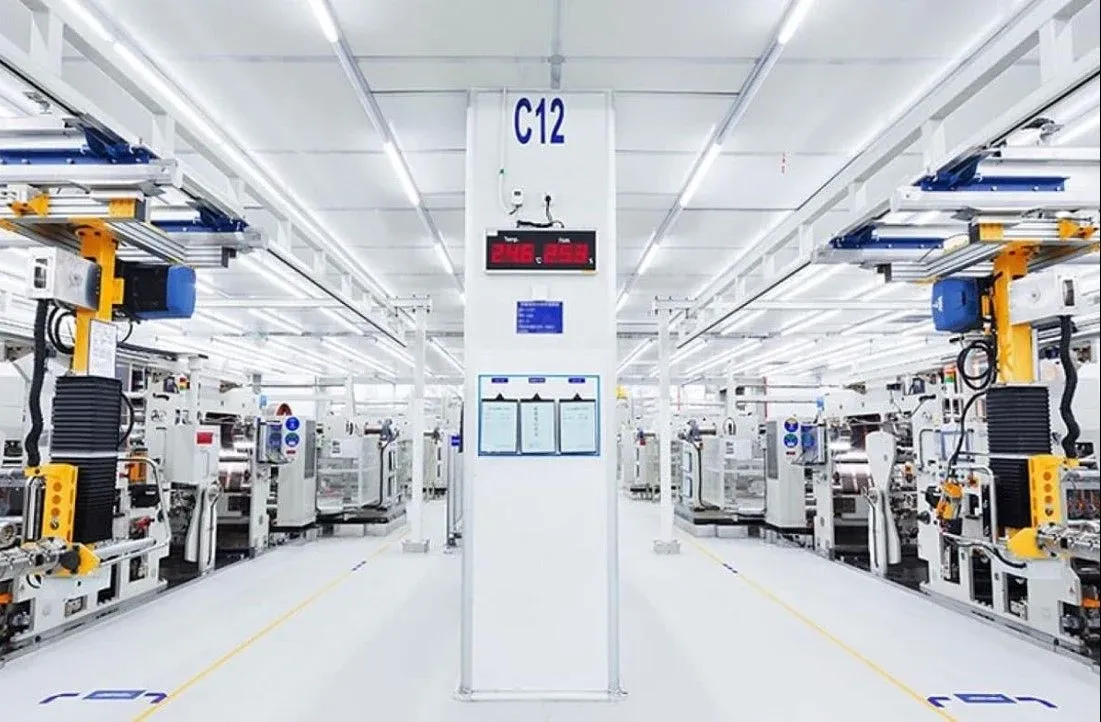
The project has also been under supervision by Hungarian authorities. The plant received its occupancy permit in August and subsequently completed the remaining necessary procedures to start trial production. CATL claims that inspections conducted during this process confirmed that the previously identified deficiencies had been resolved. The company has also stated that it will continue to monitor indicators related to worker safety, health, and environmental impact during this phase.
The significance of this company becomes clearer when considering CATL’s position in the global market. According to the latest data from SNE Research, between January and July 2026, the company installed batteries totaling 289.6 GWh, a 26.6% increase from the same period the previous year. Its global share reached 39.9%, up from 38% a year earlier.
With the factory in Debrecen, CATL aims to shift an increasing portion of its production capacity to the European market. The company already supplies batteries to several international manufacturers, and local production can help reduce reliance on Asian factories as electric vehicle manufacturing grows in Europe.
There is still one final step left: turning these initial tests into mass production. However, the launch of the first two production lines marks a turning point for the Debrecen project and brings a significant portion of one of the world’s largest battery manufacturers’ manufacturing capacity closer to Europe.
Source | CATL