
CATL aims to start pilot production of solid electrolyte cells in 2027. Progress is fast.
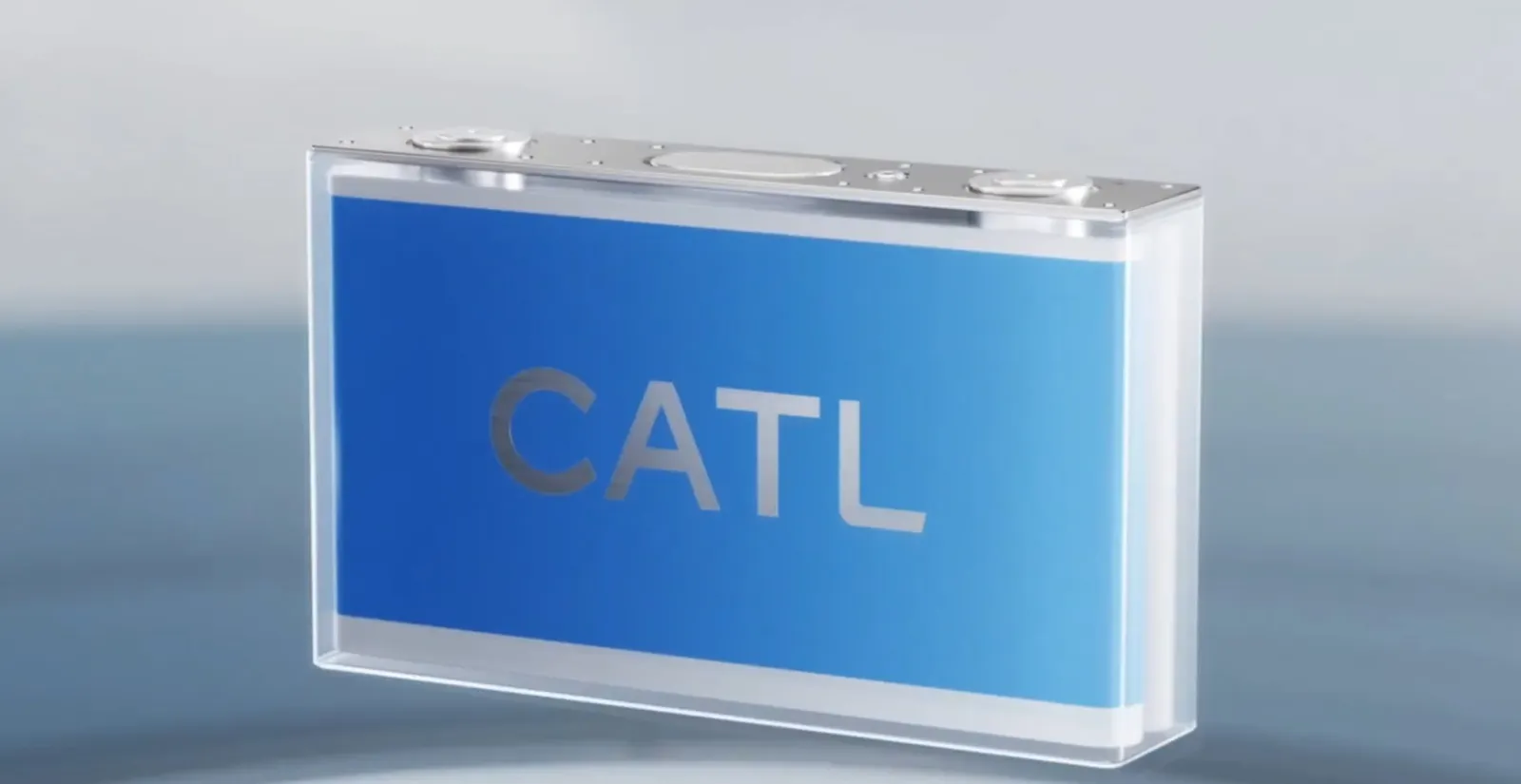
The world’s largest lithium-ion battery manufacturer and also the largest sodium-ion battery producer, China’s Contemporary Amperex Technology (CATL), is not resting on its laurels. The company has just announced that it will begin pilot production of solid-state batteries in 2027. Meanwhile, the situation with electric vehicles is such that we essentially… no longer need ASSB, as conventional lithium-ion batteries have fulfilled almost all the promises associated with solid electrolytes for about a year now.
CATL’s Solid Electrolyte One Step Closer
CATL tends not to make promises it cannot back with at least a prototype product. If the company’s president claimed just a few months ago that everything was still in the laboratory-prototype stage, and now he is announcing pilot production on a small scale by 2027, it means they have something that works and shows promising prospects. Unlike the claims made by startups that the stock market is gradually labeling as worthless (such as QuantumScape), CATL’s batteries have a chance of achieving mass production.

CATL’s declaration might not be coincidental. As we mentioned, the company tends to avoid making unrealistic promises, but in China even automobile manufacturers are now announcing solid-state batteries. The same has been done by CATL’s biggest competitor, BYD, which plans to start pilot projects with solid-electrolyte cells by 2027. If CATL joins the race, Western automakers must feel a bit alarmed. It’s as if Chinese cars suddenly started achieving 7 out of 5 stars in EuroNCAP tests.
The announcement by the world’s largest Li-ion battery manufacturer does NOT mean that we will see ready-made Chinese electric vehicles with solid-state batteries (ASSB) on the market by 2027. It will still take a few more years before that becomes possible. Interestingly, modern Li-ion batteries with liquid electrolytes charge faster and suffer less degradation than what solid-state batteries were promised for 2025. The last remaining challenge is safety: liquid electrolytes are flammable and can catch fire if a conventional Li-ion battery is physically damaged. Solid electrolytes do not have this problem.
But even with this issue, Li-ion battery manufacturers are already dealing with it by using additional safety mechanisms:

CATL No Propagation 3.0 technology prevents ignition and fire even if the cell is physically damaged during operation
Article rating
Reader ratings
[Total: 2 votes Average: 5]
Don’t miss new content — CLICK and FOLLOW Elektrowoz.pl on Google News. You might also be interested in the following ads: