
Charging an electric vehicle at home will get more expensive starting in October
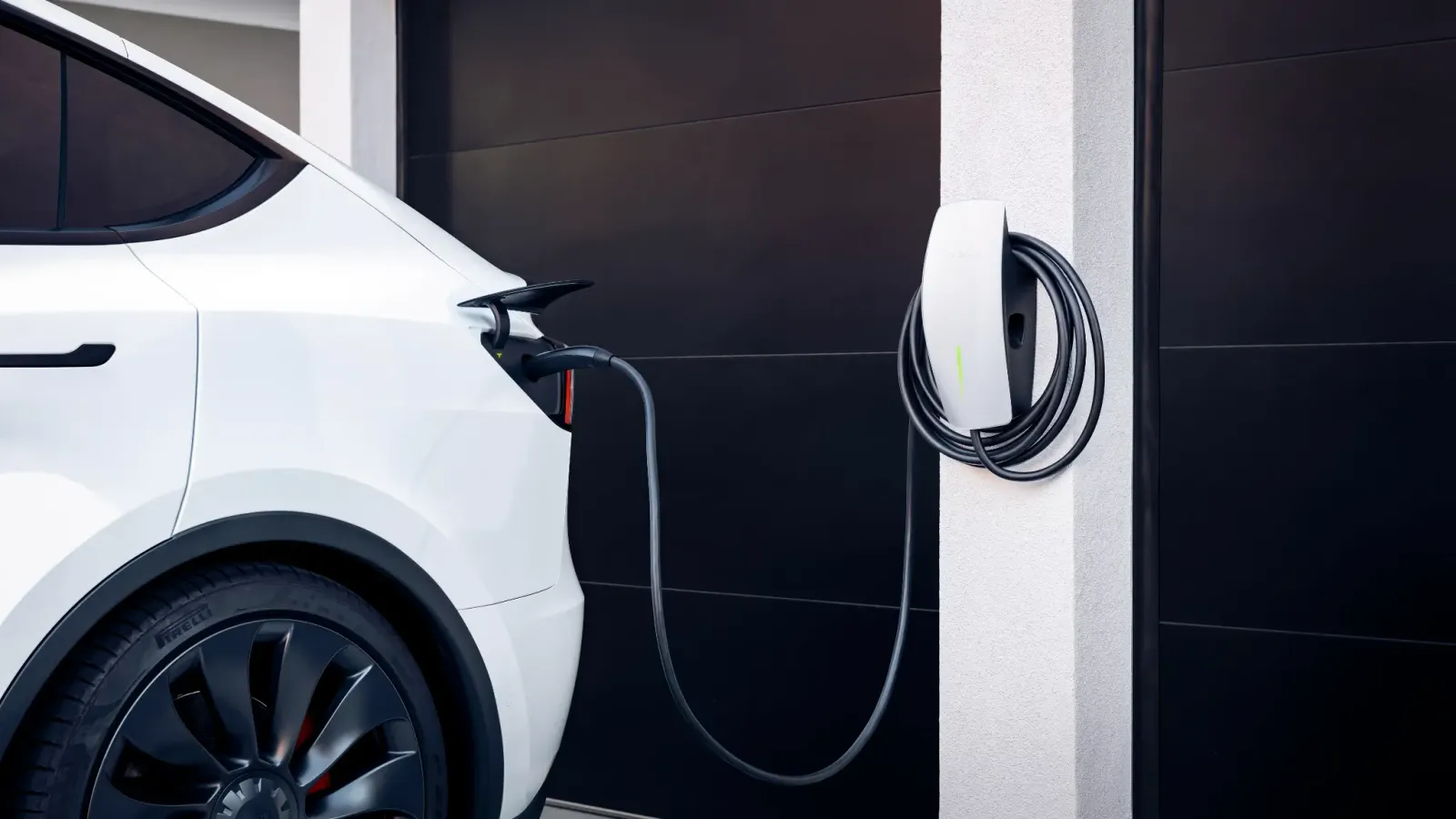
The war between the US and Iran is not only driving up fossil fuels prices. Charging an electric vehicle at home will also become more expensive.
Starting October 1, the tariff for regulated energy markets will increase by 0.005 euros per kWh, according to the Energy Services Regulatory Entity (ERSE). For household customers still in this market, the adjustment means an average increase of 2.7% in their monthly electricity bill.
So, if you charge your car at home and are covered by the regulated tariff, be prepared to face this increase. However, the actual impact depends on the amount of energy consumed.
How much might it cost?
Given that an electric car travels about 1000 km per month, and considering a consumption of around 18 kWh/100 km, the increase of 0.005 euros per kWh represents an additional cost of about 90 cents per month on its own.
However, it should be noted that the energy rate is just one component of the electricity bill, so the overall impact depends on the tariff contracted and the other items included in the bill.
In addition, this update applies only to consumers in the regulated market, and customers in the free market are not required to follow it. The ERSE itself makes this clear: “the free market is not obligated to adopt this update.”
In June 2026, there were approximately 779 thousand customers in the regulated electricity market, accounting for around 4.6% of total electricity consumption.
For those in the free market, the impact will depend on the contract and the terms set by their respective supplier.
What is at stake?
The update now announced is the result of the quarterly review of energy prices in the regulated market. This review takes into account, among other factors, the cost of purchasing energy from the CUR (Last Resort Supplier).
According to the regulator, forecasts for this year indicated a certain cost of acquisition, but price changes in the wholesale market ultimately led to a deviation of 0.0176 euros/kWh. Since this deviation exceeded the limit set by the update mechanism, ERSE determined the new increase.
The regulator explains that this deviation is mainly due to rising prices in the wholesale market throughout 2026. Among the factors cited for this increase is the evolution of natural gas prices, which in turn affects electricity prices.
"The extent of this increase was difficult to predict when setting tariffs for 2026, as it is largely due to the effects of the war between Iran and the United States, which raised natural gas prices and consequently electricity prices," reads the statement.
For customers in the regulated market, the update for next month means that the average price change for electricity in 2026 will be 1.7%. At the end of last year, ERSE had announced an expected annual increase of 1%.
Nevertheless, charging an electric car remains cheaper than refueling a gasoline vehicle. According to data from UVE, based on August’s final figures, the average cost to refuel a gasoline car for 100 km is 11.19 euros, while it is 10.63 euros for a diesel car.
In the case of electric cars, under a typical charging scenario (75% at home using off-peak rates and 25% on public chargers), the total cost per 100 km is 3.74 euros, though it can rise to 8.57 euros per 100 km if charging always occurs on public chargers. You can learn more about how these estimates are calculated here.