
Electric charging. What will change in Portugal in 2027?
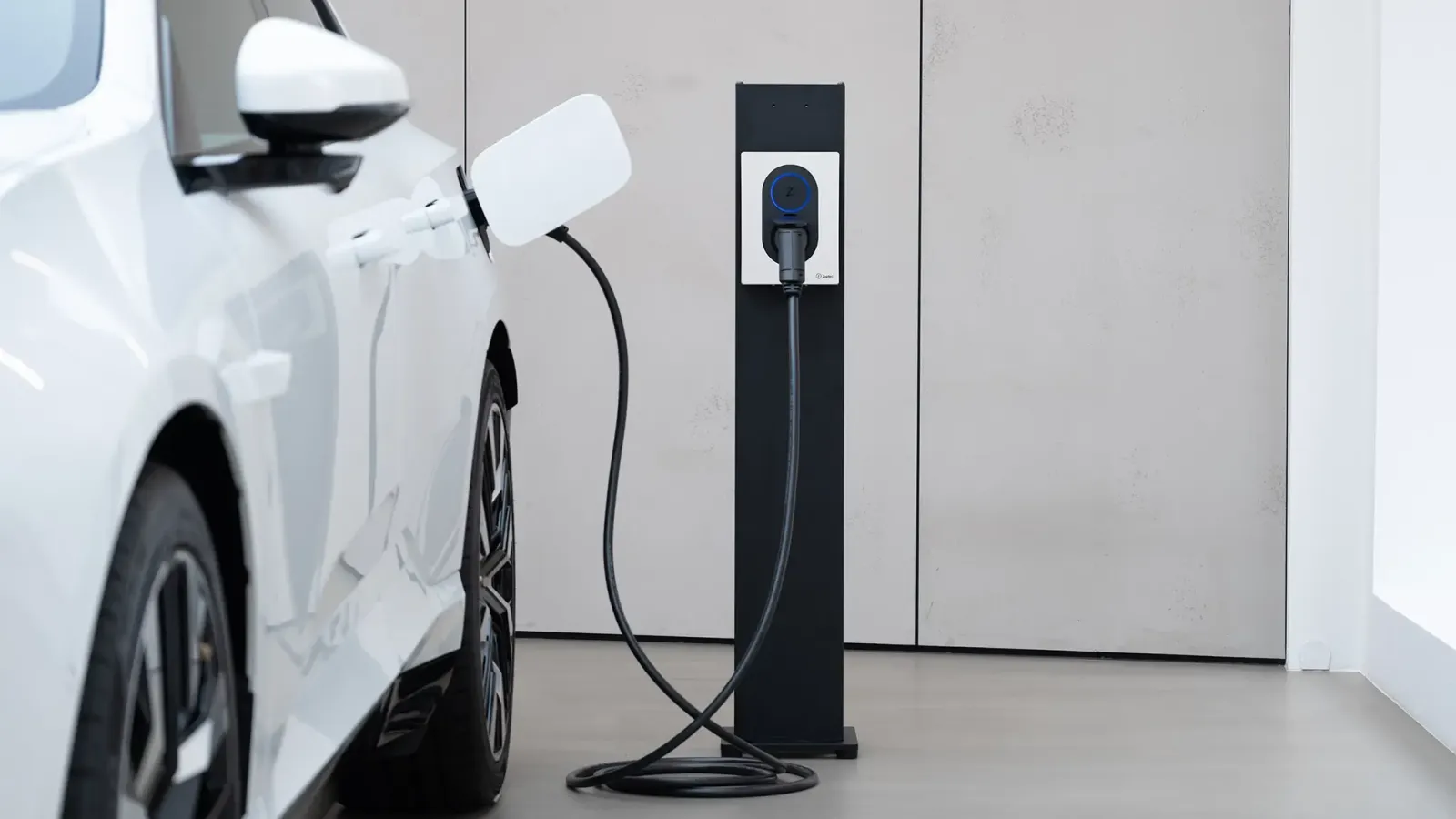
A new electric mobility regime will come into effect at the end of 2027, which will simplify the rules for charging.
Charging electric vehicles in Portugal will enter a new phase on December 31, 2027, the date when the current transition period toward a liberalized market ends.
In August 2025, the government approved a new regime for electric mobility that aims to simplify charging rules, notably by ending the requirement for contracts with operators, allowing direct payment at public charging stations, and expanding the network across the entire country.
The topic was discussed by Sílvia Amaral, manager of Mobi.E, in a conversation with Diogo Teixeira as part of Auto Talks, a podcast by Razão Automóvel supported by Credibom. The conversation was recorded live at the Hybrid and Electric Car Show, held at Alfândega do Porto.
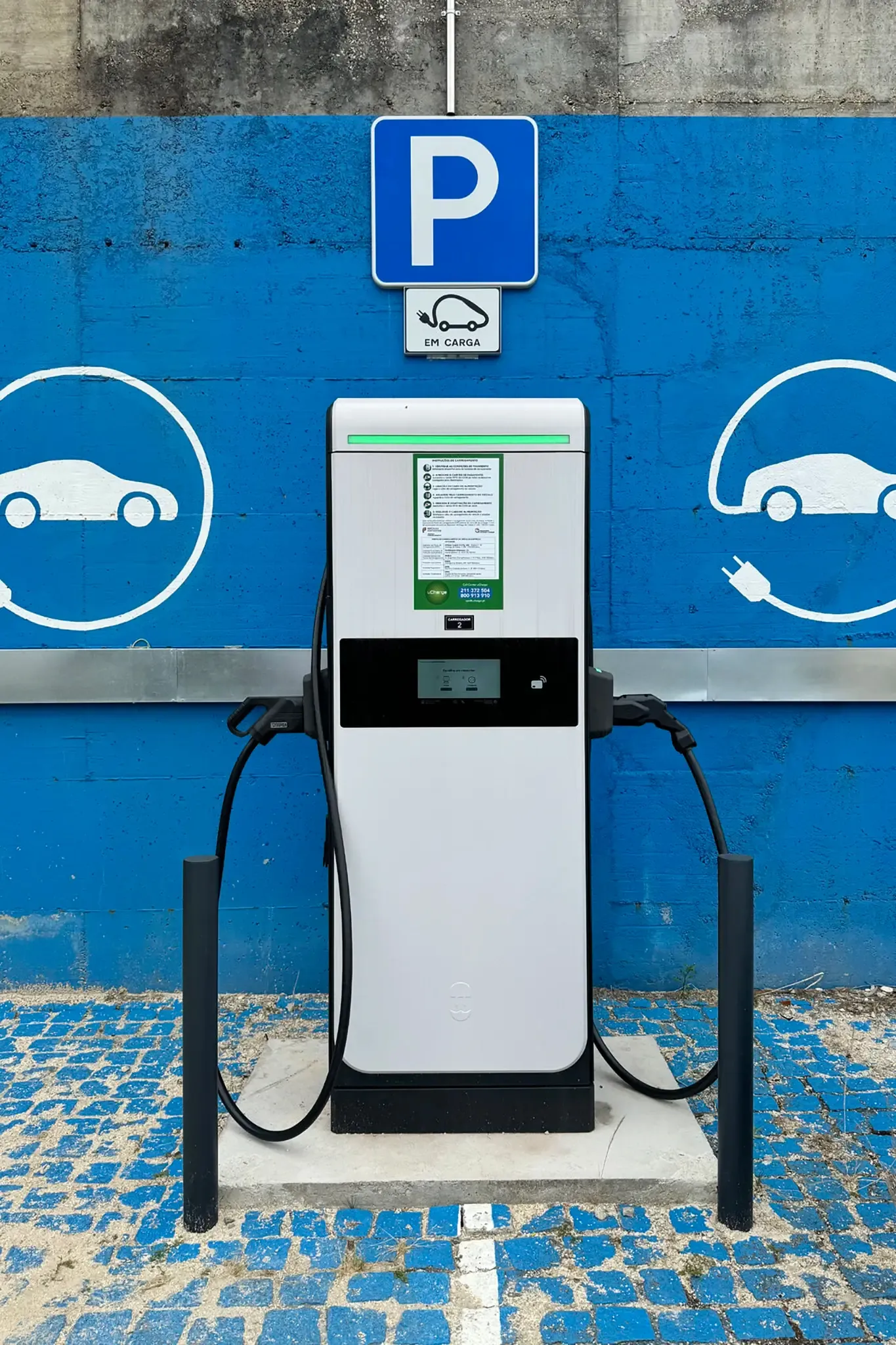
Operators can leave the platform
Until legislative changes were made, it was mandatory for operators to be connected to the Mobi.E platform (Decree-Law No. 90/2014 of June 11). With the new regulations taking effect, a transition period began during which energy operators and distributors could choose to remain on the platform or leave.
This period, as mentioned above, ends on December 31, 2027, when, according to Sílvia Amaral, Mobi.E will begin operating in a liberalized market, competing with other companies.
The departure of operators could compromise the interoperability currently ensured by the platform. If an operator stops being connected to Mobi.E, its stations will no longer benefit from integration with the other operators remaining on the network.
Therefore, the company aims to convince operators to maintain their connection to the platform. “What we want is for this change, this transition from the current regime, to ensure a good service,” said the representative, referring to the need to guarantee a smooth transition for users.
Sílvia Amaral used Spain as an example of the risk of market fragmentation. As she explained, drivers may have to rely on multiple cards and services to find a compatible charging solution. Mobi.E aims to prevent this scenario from occurring in Portugal.

More transparent prices
The change scheduled for 2027 may also simplify the way charging costs are presented. Currently, the final price can result from various components, including the cost of electricity and different fees associated with using the service.
Silvia Amaral predicted that prices will become more transparent. “The price will be much simpler and therefore more transparent,” she said.
This simplification is linked to changes in the sector’s operating model and the tariff structure. Nevertheless, she acknowledged that price calculation may not necessarily be simple in all situations.
Energy consumption continues to rise
The expansion of electric mobility is also increasing the use of charging infrastructure. According to the data provided by the official, “energy consumed at charging stations increased by 38% compared to 2025.”
When asked about the network’s ability to keep up with the growth of the electric vehicle fleet, Sílvia Amaral explained that investments in new charging stations are made based on demand. However, expansion depends on various processes involving factors such as space availability, licensing, and equipment installation, which can delay progress.
The interviewee believes that service providers are responding to demand, including through the entry of foreign companies into the Portuguese market. Nevertheless, she acknowledged that infrastructure development does not necessarily keep pace with the growth in electric vehicle sales.