
Charging your electric car on the street using your home electricity rate: the UK’s revolutionary proposal
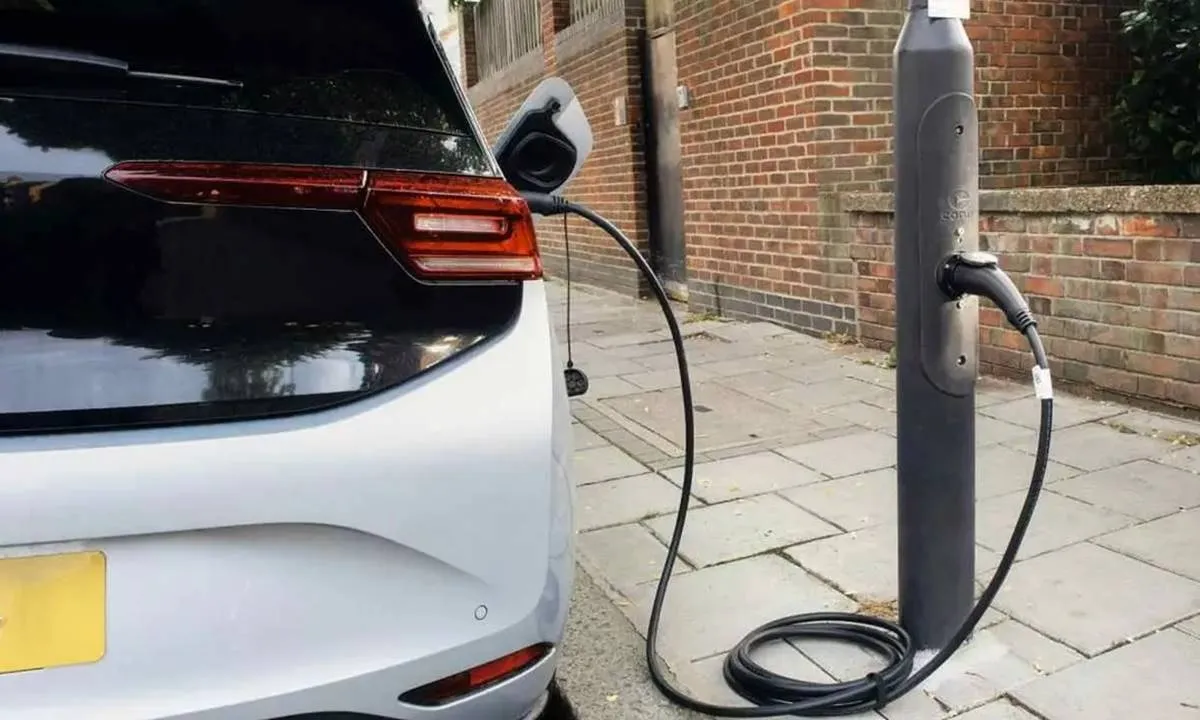
Owning an electric car can be much cheaper if you can charge it at home. The problem arises when you don’t have your own parking space and rely on public chargers, where charging rates are usually much higher. The UK government wants to reduce this gap and is considering an interesting measure: allowing drivers to use their home electricity rate at certain street charging points as a way to encourage the purchase of electric cars.
The Department for Transport will lead a working group to explore how to transfer home electricity rates to low-power public chargers located near homes. These installations are designed for charging a car for several hours or overnight and account for about one-third of the UK’s current charging network.
While details for its implementation are still being worked out, the government has announced a funding allocation of around 120 million euros over two years, starting in the spring of 2027, to reduce the cost of public low-power charging. The expected savings amount to approximately 180 euros per driver per year, although it has not yet been specified how the funding will be distributed to users.
The estimate is based on an electric car that travels about 12,875 km per year and consumes roughly 18.8 kWh per 100 km. The aim is to make street charging more affordable compared to charging at home, though it does not mean the two options will have the same price immediately. Additionally, this approach focuses on slow AC charging stations and excludes fast DC chargers.
Charging on the street can cost almost eight times more than doing it during off-peak hours.
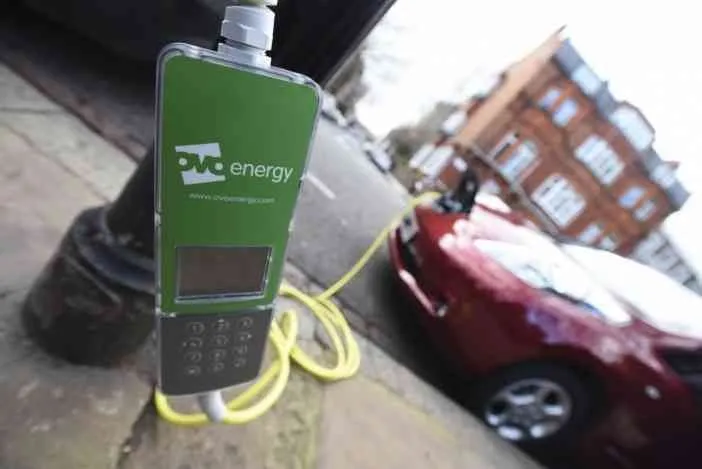
The price difference explains the interest in this initiative. According to data from Zapmap compiled by Autocar, the average rate for public AC charging is around 0.65 euros per kWh. For comparison, the reference domestic rate is about 0.31 euros per kWh, while some off-peak charging offers drop as low as around 0.084 euros per kWh.
Applying those prices to the example consumption, the difference in cost per distance is considerable. These are approximate calculations based on the quoted rates, without including possible subscription fees, parking costs, or other charges.
Recharging Method
Approximate Price
Cost per 100 km
Public AC Charging
0.65 euros/kWh
12.20 euros
Residential with Reference Rate
0.31 euros/kWh
5.80 euros
Residential with Off-Peak Rate
0.084 euros/kWh
1.60 euros
For those who park on the street, this difference can significantly reduce the economic appeal of switching cars. It doesn’t necessarily depend on how much one drives or what model they choose, but rather on something as basic as having a place to charge at an affordable rate. Installing more chargers helps, but their cost also determines whether they’re useful as a regular alternative.
An independent report commissioned by the UK’s Zero Emission Vehicles Office, published on October 28, identifies moving domestic rates to slow chargers as the best long-term solution to this disparity. The idea is to allow those without private parking to benefit from more favorable charging conditions as well.
The UK has already implemented other measures for these drivers, such as subsidies for installing home chargers with solutions that allow the cable to run along the sidewalk without creating obstacles. However, this system has an obvious limitation: installing a charger does not guarantee that the parking space in front of the home will be available when needed.
Therefore, making public slow or fast charging stations on the street more affordable could have a greater impact. The next step will be to define the conditions, participating operators, and the actual savings for drivers. If the project succeeds in providing affordable daily charging for those who park on the street, it will eliminate one of the biggest differences between buying an electric car with a private garage and doing so without one.