
Charge your Kia EV9 for 30 minutes and the system charges you 14,500 euros.
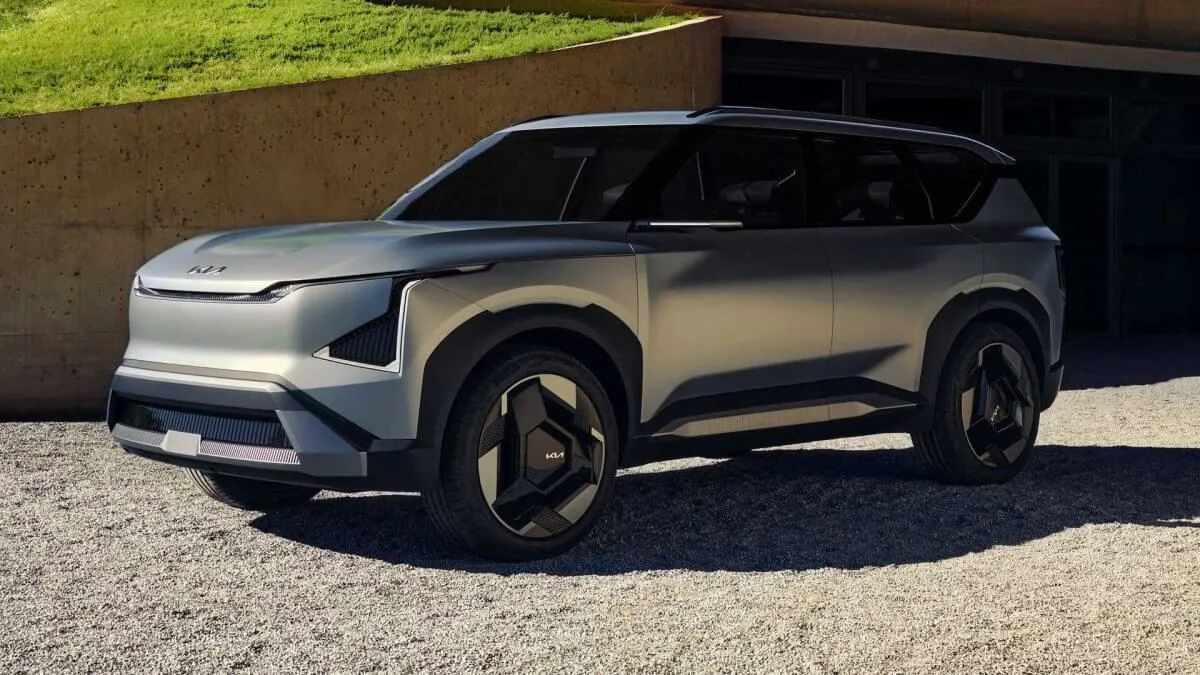
What seemed like a completely normal charge for a Kia EV9 turned into one of those hard-to-believe stories. The owner of a KIA EV9 connected his car, but the charging session failed shortly after, only managing to charge 5 kWh into the battery. In response, the customer returned to his car and disconnected it from the charger. However, Hypercharge’s billing system interpreted this as if the session had remained active for over 15 months and issued a bill of CAD 22,308.42, equivalent to about €14,500.
The problem wasn’t with the Kia EV9 or the amount of electricity used, but rather with the communication between the charger and Hypercharge’s computer system. This case highlights one of the issues that can arise when a charging network uses time-based pricing and a charging session stays open due to a communication failure.
A 30-minute charge that turned into a 15-month session
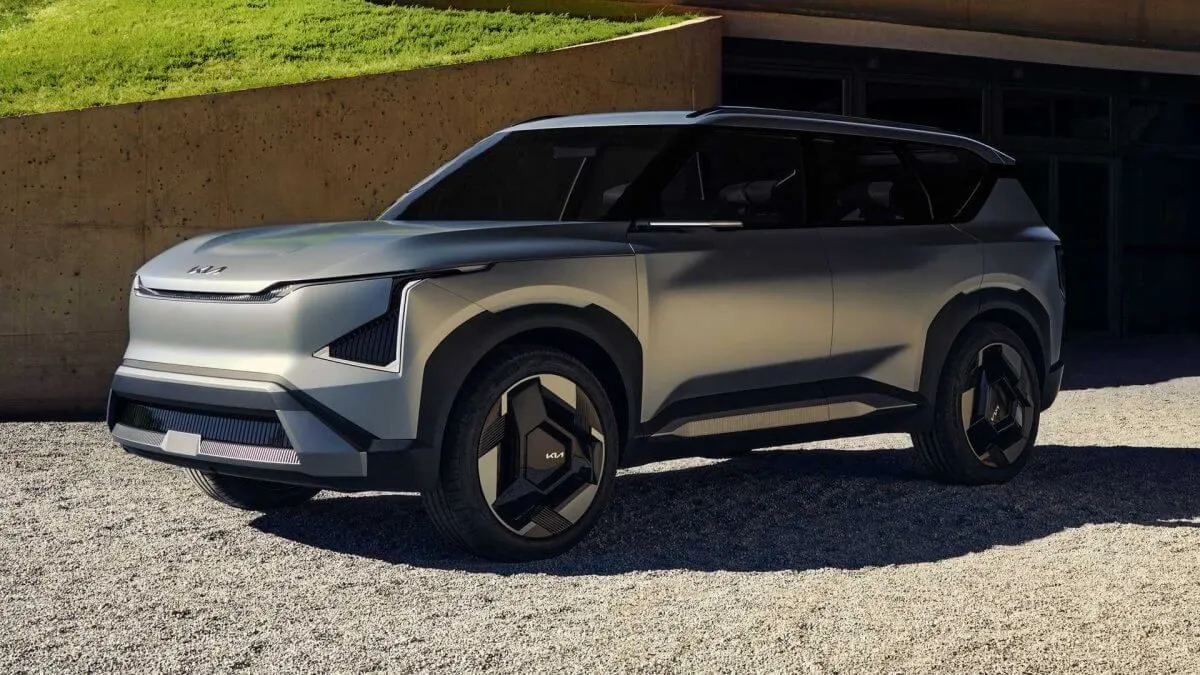
The incident occurred on May 17, 2025. The owner connected his Kia EV9 to a Hypercharge charger and performed a charge lasting about 30 minutes, during which the battery received only 4.91 kWh. He then disconnected the car and left the location completely normally.
The issue arose because the charger lost communication with the network and failed to properly report the end of the session. To the system, the Kia EV9 remained connected even though the car had been away for a long time. Hypercharge uses chargers linked to its platform to manage sessions, payments, and equipment status, so a communication loss can affect the recorded information.
In this case, additionally, the billing system applied a time-based rate. Hypercharge acknowledges that both charging based on energy consumed and charging based on time are common models in Canada, with rates that can be set per kilowatt hour or per minute and hour.
The session was not closed in the company’s systems until August 25, 2026, when the charger reconnected to the network. Suddenly, the system interpreted that charge as still active since May 2025 and calculated the cumulative cost for the entire period.
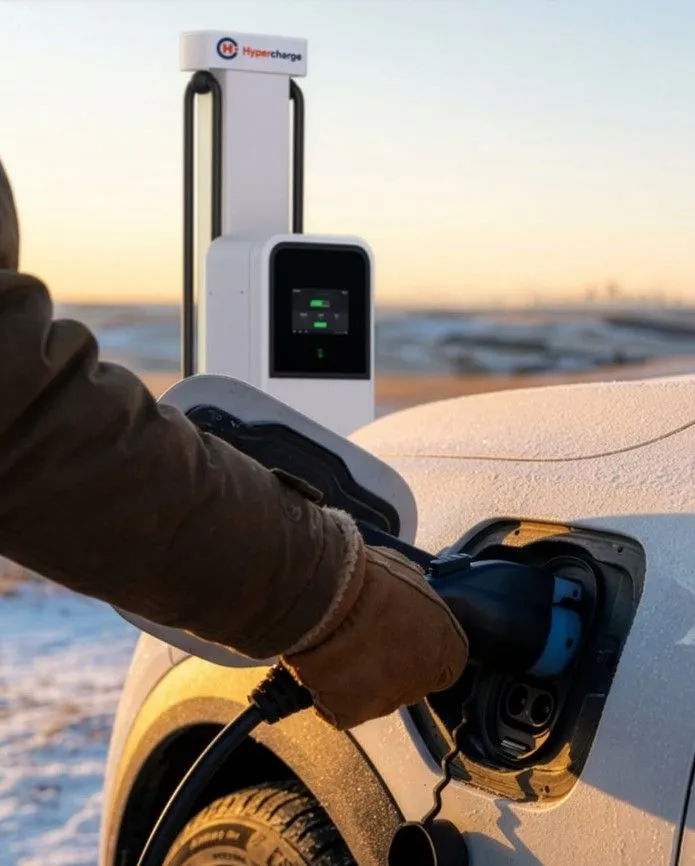
The result was a bill of 22,308.42 Canadian dollars, an amount equivalent to about 14,500 euros. The most absurd part is that the energy recorded was still only 4.91 kWh. In other words, the car received an amount of electricity that would normally cost just a few Canadian dollars, but the system had been counting hours for over a year.
The bill itself also contained a fairly clear clue about what had happened. The document indicated that the session took place on a terminal that had been out of communication. There was even another inconsistency: although the start and end dates covered more than 15 months, the document showed a duration of only seven days, 18 hours, 12 minutes, and 40 seconds.
The owner, identified as IntelliDev on Reddit, posted the invoice and raised the issue with Hypercharge. The company eventually confirmed that a session started on May 17, 2025, was not properly closed when the vehicle was disconnected. According to an explanation provided by a Hypercharge representative, the charger experienced a problem that caused a loss of communication with the network, leaving the session open in the system until it regained connection in August 2026.
The most reassuring aspect of this case is that the owner didn’t actually have to pay the 22,308.42 Canadian dollars. Hypercharge explained that amount appeared as an incorrect negative balance on their account, and no actual charge was made to their card. The company later resolved the issue and, as a goodwill gesture, added an additional 50 Canadian dollars in credit for future top-ups.
This case serves as a reminder, though in this instance the fault lay with the charger, that when finishing charging our electric car, it’s best to close the session through the network’s app rather than simply disconnecting the car. This way we minimize the risk of being shocked by a surprise bill like this.