
5% to 80% charge in 6 minutes, 400 Wh/kg and 1,000 km range: this is Prologium and Mercedes’ new solid-state battery
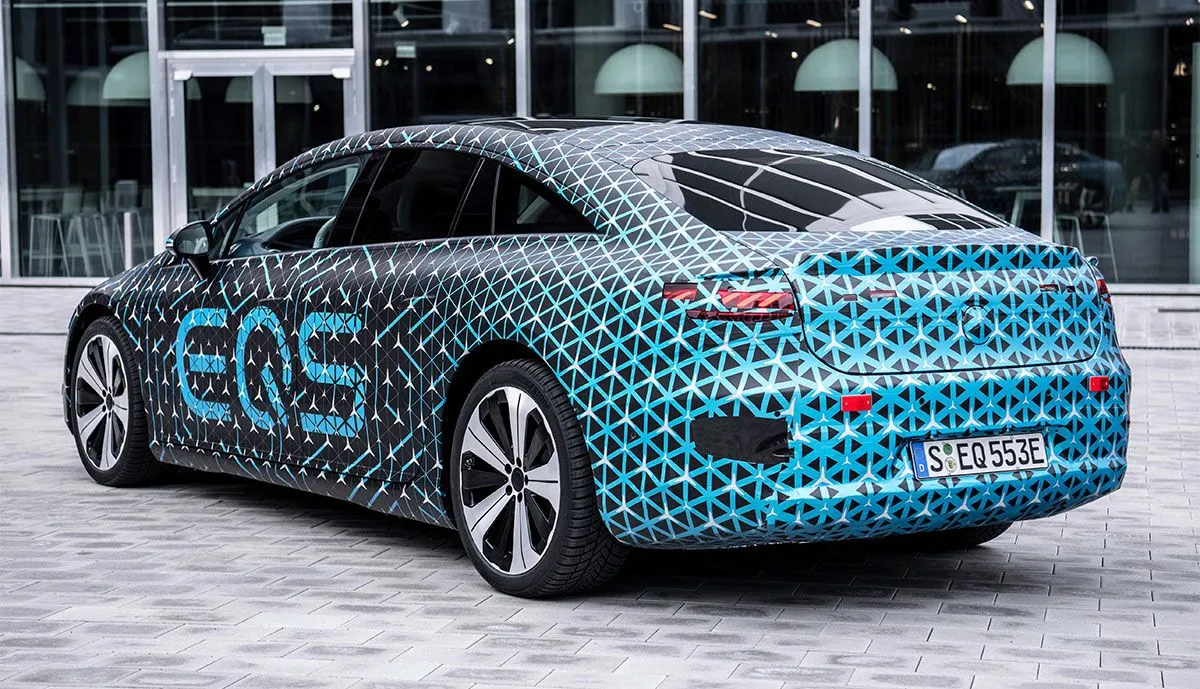
Mercedes-Benz has secured a privileged position in a technology that could mark one of the next major advancements in electric vehicles. The German brand has been working with ProLogium for years on the development of next-generation batteries, and now both companies have taken another step forward with an agreement that will allow testing of the new cells developed by the Taiwanese manufacturer.
This development is particularly interesting because ProLogium is no longer focusing solely on laboratory prototypes. The company is moving toward industrial production of its solid-electrolyte batteries and has just introduced a new generation designed to address some of the challenges that have so far hindered their adoption in cars, especially cost and large-scale manufacturing.
Mercedes-Benz will have priority access to ProLogium’s new Gen4 cells under a testing agreement that includes evaluating their electrical, thermal, and safety performance. The tests will be conducted both at Mercedes-Benz’s facilities and at specialized external centers, with the aim of determining their potential use in future models.
Mercedes-Benz has been working with ProLogium for nearly ten years
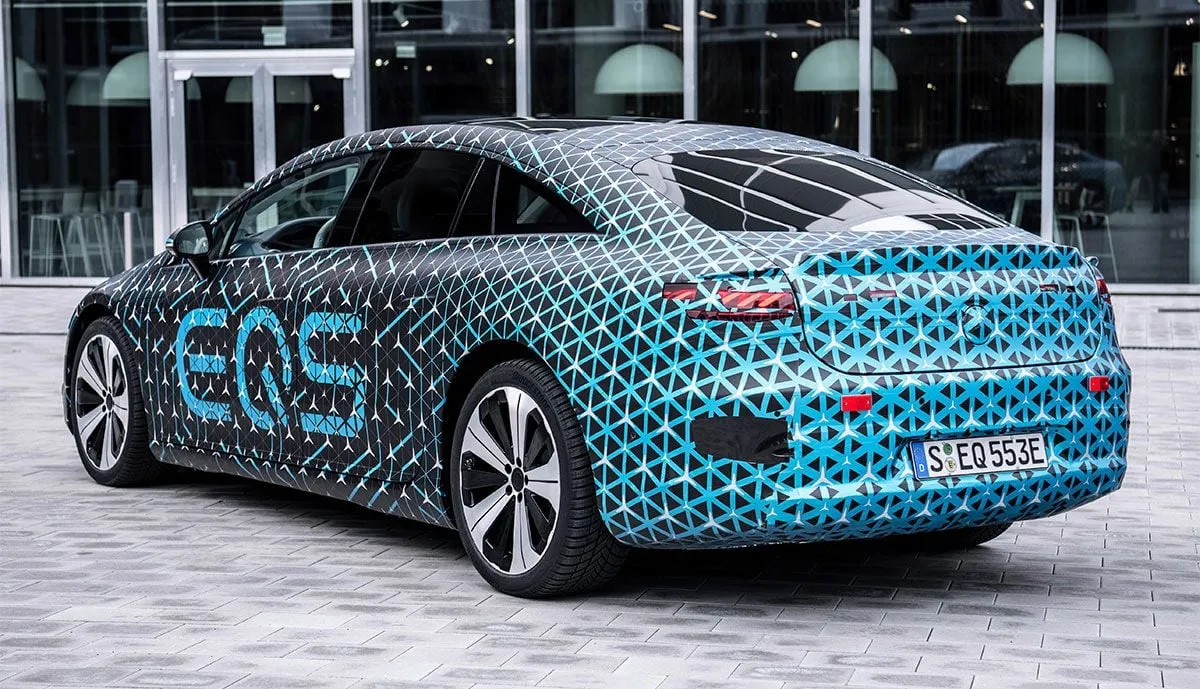
The relationship between Mercedes-Benz and ProLogium is not new. The two companies began working together in 2016 and have since gone through various stages, from the first solid-electrolyte hybrid batteries to today’s next-generation cells. During this time, they have also tested different formats, including pouch-type cells, prismatic formats, and the bipolar technology developed by ProLogium.
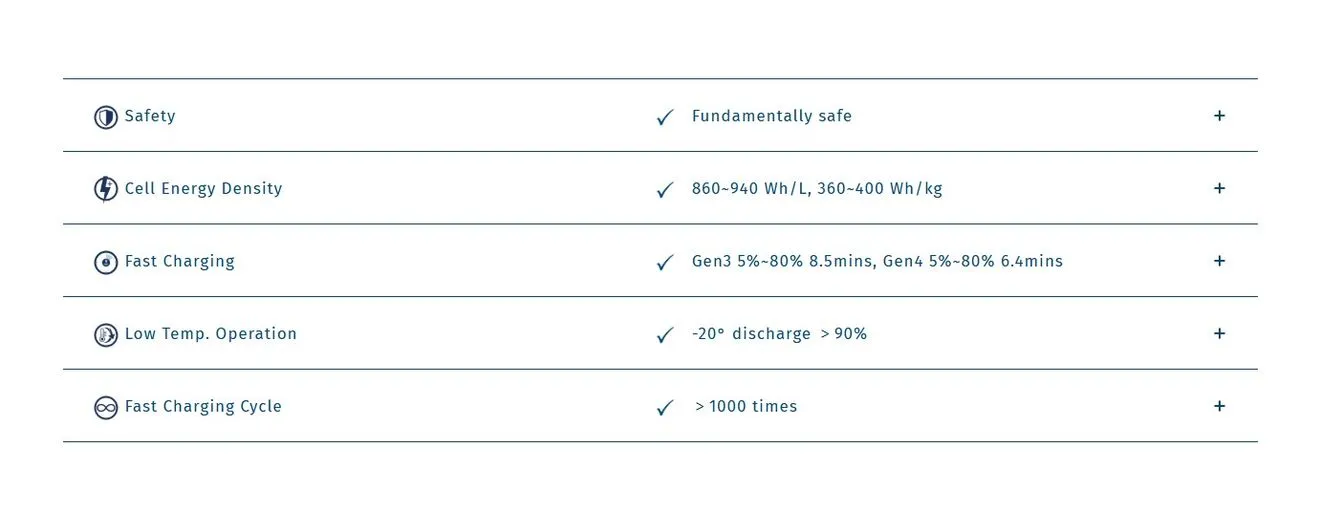
The new Gen4 uses a non-flammable inorganic electrolyte and a ceramic separator, along with various safety systems developed by ProLogium. The company claims that this architecture enables a high energy density combined with a high charge capacity and more stable performance at low temperatures, though it will be Mercedes-Benz’s tests that determine its actual behavior in a vehicle application.
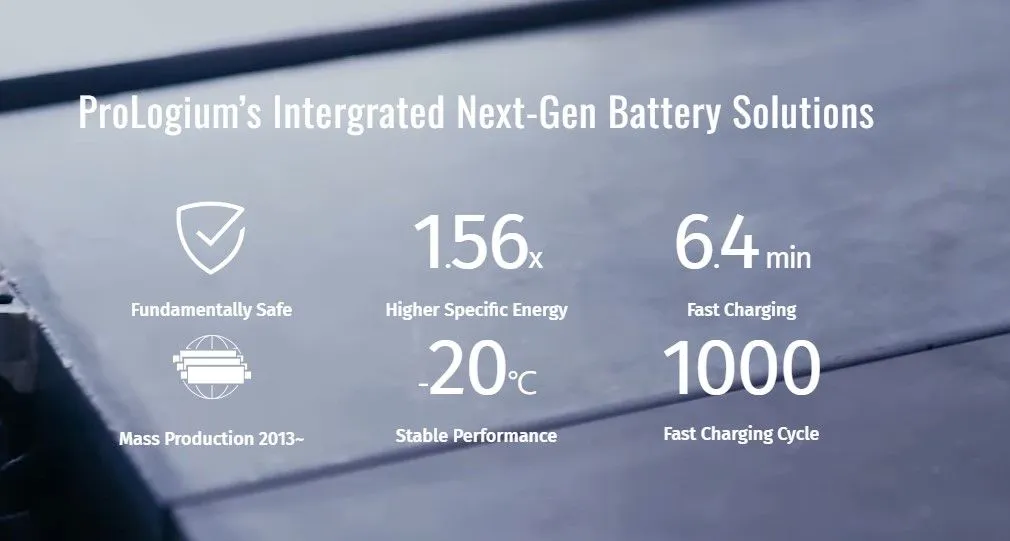
The company also announces an exceptionally high charging capacity. According to its data, the new cells can go from 5% to 80% in 6.4 minutes. This is a figure for individual cells and does not mean that a car equipped with this technology will necessarily complete a charge in that time, as the final result will also depend on the size of the battery pack, the power of the charging system, temperature, and electronic management.
This last point will be particularly important. It is one thing to achieve impressive figures for individual cells, but another entirely to transfer those results to a full battery pack installed in an electric vehicle and maintain them consistently without compromising its lifespan. That is precisely why the partnership with Mercedes-Benz is significant: the German manufacturer will be able to see how this technology performs outside of controlled laboratory conditions.
ProLogium is also making progress in industrial manufacturing. The company opened its first battery factory in Taiwan in 2024, with a capacity on the order of gigawatt-hours, and is building another facility in Dunkirk, France. The first phase of this latter plant has an annual capacity of 4 GWh, which is expected to increase gradually by 2030, while the full facility is designed to reach up to 44 GWh.
Industrial production will be one of the key factors in enabling solid-state batteries to become a real alternative to conventional batteries. The technological leap will only make sense for use in vehicles if the cells can be manufactured in large quantities, with consistent quality and at a cost that allows their integration into production models.
ProLogium claims to have already taken steps in this direction. At the beginning of September, it announced the start of mass production of its Gen3.5 solid electrolyte battery technology in Taiwan, with an energy density of 381 Wh/kg and 903 Wh/l according to tests conducted by TÜV. This figure is particularly significant because it comes from external validation rather than just the manufacturer’s estimate.
Mercedes-Benz is not starting from scratch in this technology. The German brand is also working with the American company Factorial Energy to develop its own solid-state battery solutions. In September 2025, a modified Mercedes-Benz EQS equipped with 106 Factorial cells managed to travel over 1,200 kilometers on a single charge during a test conducted under specific conditions, which should not be confused with the certified range of a production model.
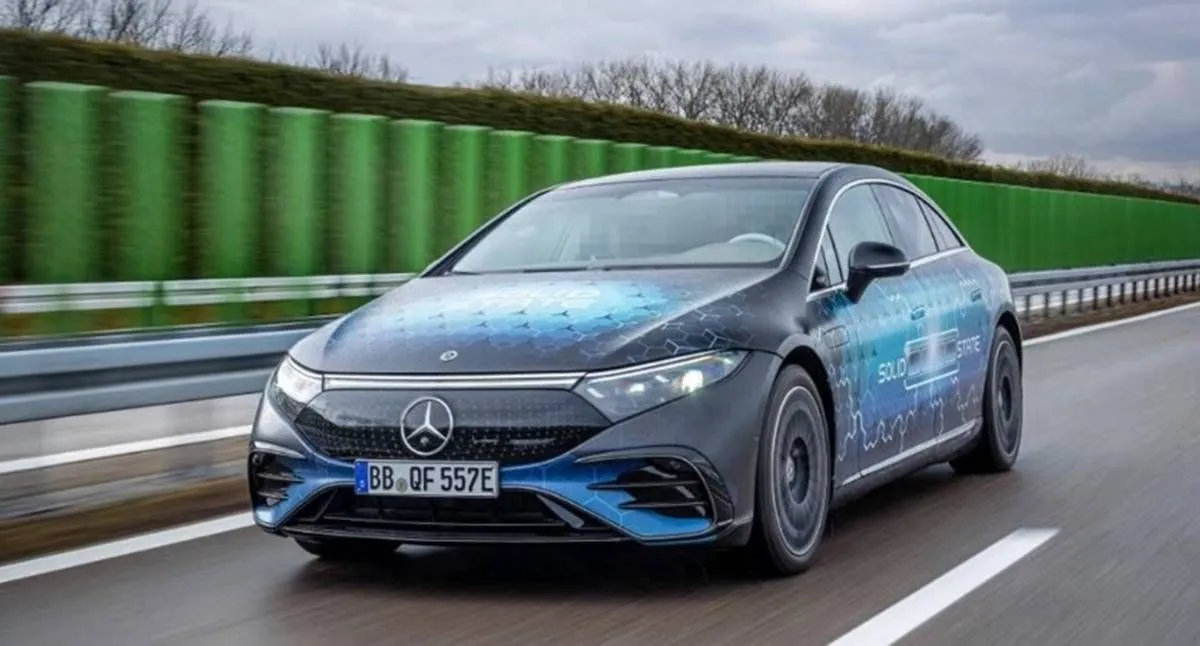
Mercedes-Benz aims to bring its first production electric car equipped with solid-state electrolyte batteries to market by 2030. The deal with ProLogium now opens another technological pathway to achieve this goal, although we still do not know which supplier the German brand will ultimately use in its first commercial models, nor what features the car that eventually adopts this technology will have.
For ProLogium, having Mercedes-Benz as a development partner also represents significant support at a stage where the company is trying to transition from initial production to a much larger industrial scale. The company is also preparing its entry into the U.S. market through a corporate transaction that could list its shares on Nasdaq under the symbol PRLG by the end of 2026, provided the transaction is completed and relevant conditions are met.
In any case, there is still a long way to go. Solid-state electrolyte batteries promise greater range, less weight, and much faster charging times, but the real challenge lies in achieving all of this in a product that can be manufactured on a large scale, has an adequate lifespan, and remains competitive in price.
The agreement announced between Mercedes-Benz and ProLogium does not mean that the first Mercedes with a solid-state battery is about to reach dealerships. It represents something more specific: the German manufacturer will have priority access to one of ProLogium’s most advanced battery technologies and be able to test it using its own methods. If the results are promising, the next step will be to move these capabilities from laboratory cells and early production lines to a vehicle that can be manufactured in large quantities.