
Canada: Glencore brings 23 electric trucks to the copper and nickel mine
In Ontario, Canada, Glencore is accelerating the electrification of mining operations at the Craig mine. The Onaping Depth project uses a fleet of 23 electric machines for underground mining tasks, from trucks to drill rigs. The goal is to access a new nickel and copper deposit while reducing emissions and, most importantly, the energy demand associated with ventilating tunnels.
The Onaping Depth project is one of Glencore’s key initiatives in Canada’s Sudbury region. Developing this new mineralized body, located over 2,500 meters beneath the surface, allows the company to access a new nickel and copper resource linked to the Craig mine for the first time.
The most interesting aspect is the use of electric heavy machinery for underground operations.
A green fleet for the entire mining cycle
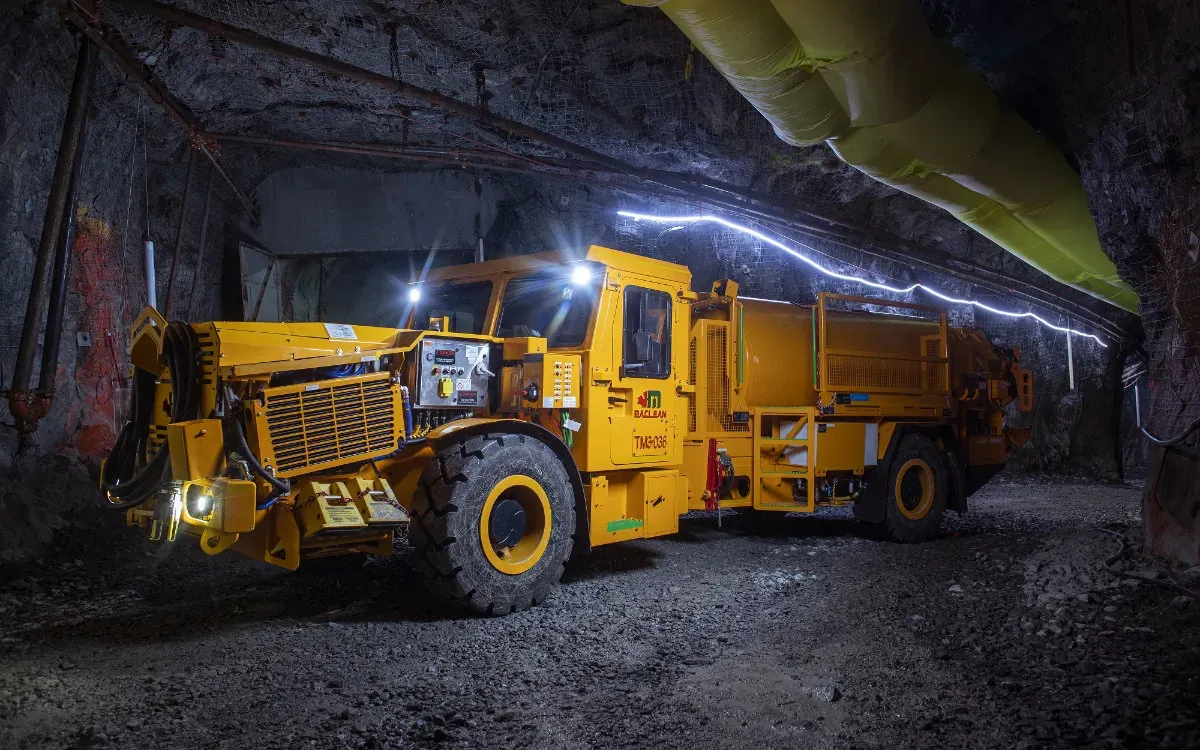
Glencore has purchased 23 battery-powered machines from Epiroc for use in mining operations. This is not a limited experiment with just one machine, but a full fleet that covers various stages of the extraction process.
The vehicles included are Scooptram ST14 SG, electric shovels used for loading and moving crushed material, and Minetruck MT42 Battery underground trucks capable of transporting up to 42 tons of ore.
The fleet also includes Boomer E2 Battery drillers for tunnel development, Boltec machines for rock consolidation, Cabletec systems for drilling and installing anchor cables, and Simba drillers used in deep-hole mining.
This is a significant configuration because it brings battery-powered power directly to the heart of mining operations, where weight, range, charging times, and reliability present challenges very different from those faced by road electric vehicles.
Mongolia: 100 electric and autonomous dumpers in mining for a record year
Beyond emissions: less energy needed for ventilation
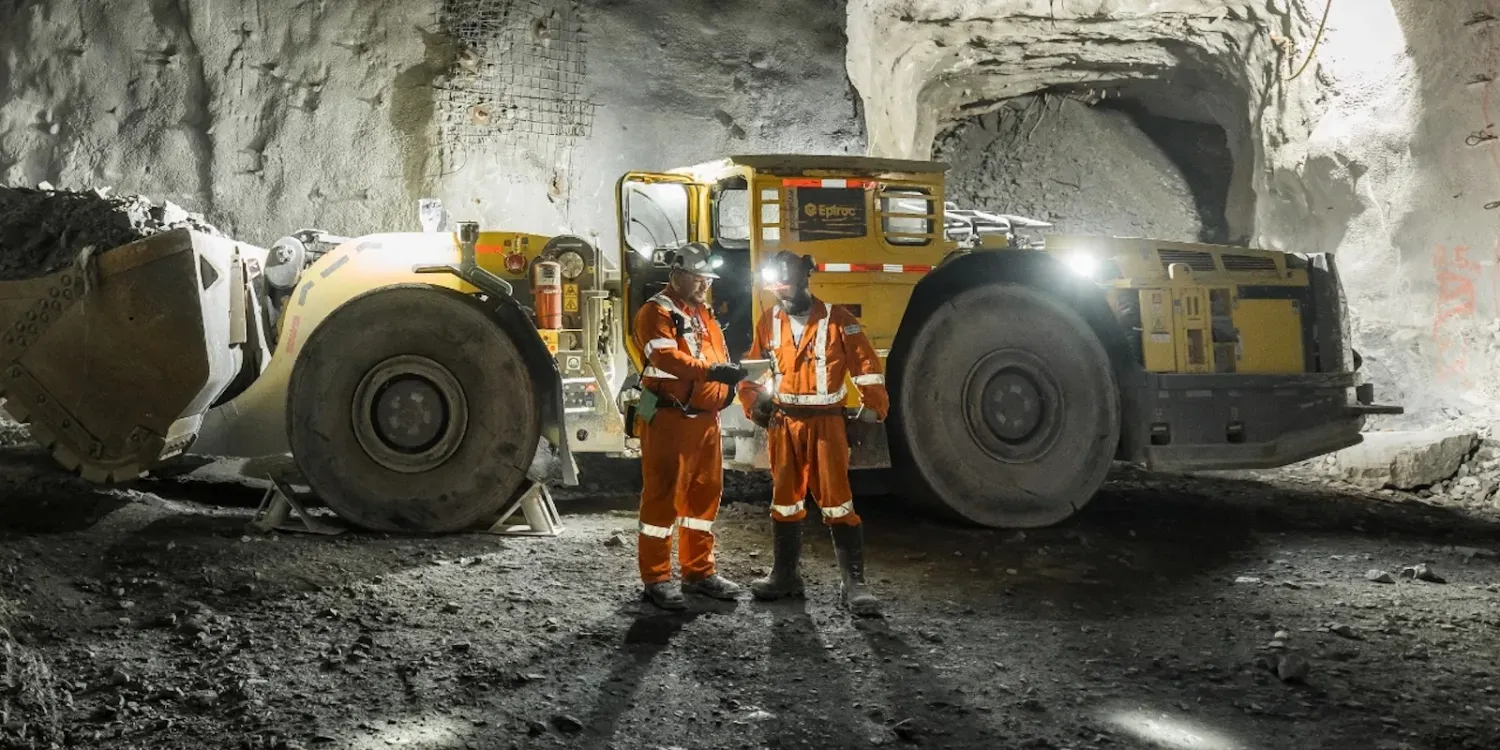
According to Glencore, the benefits of electrification extend beyond just reducing tailpipe emissions. In underground mines, eliminating diesel engines can also have a direct impact on the energy infrastructure. Peter Xavier, Glencore Canada’s operations director, notes that the absence of diesel emissions allows for reduced needs for ventilation and cooling, which are traditionally among the main energy consumers in deep mines.
This is particularly significant in Sudbury, where mining operations reach considerable depths.
Electrification… from the ground up
For Glencore, the electric fleet aligns with the Group’s sustainability goals and Canada’s strategies for reducing emissions. For the mining industry, it represents a potential tool to curb some of the indirect costs associated with underground operations.
Naturally, this project does not eliminate the environmental impact of nickel and copper extraction, nor does it automatically resolve all issues related to battery availability and production. But it demonstrates how electric technology is entering even the most challenging industrial environments and can be applied downstream in the raw material supply chain.
Electric Week/ Watch Marco Berti Quattrini’s VIDEO too
Previous Article
Myths about photovoltaics: life exists beneath the panels
Next Article
Tesla FSD overturns conventions: it can take over from the driver if it predicts an accident