
Electric Trucks: Up to 140,000 euros in savings in 8 years, an English report
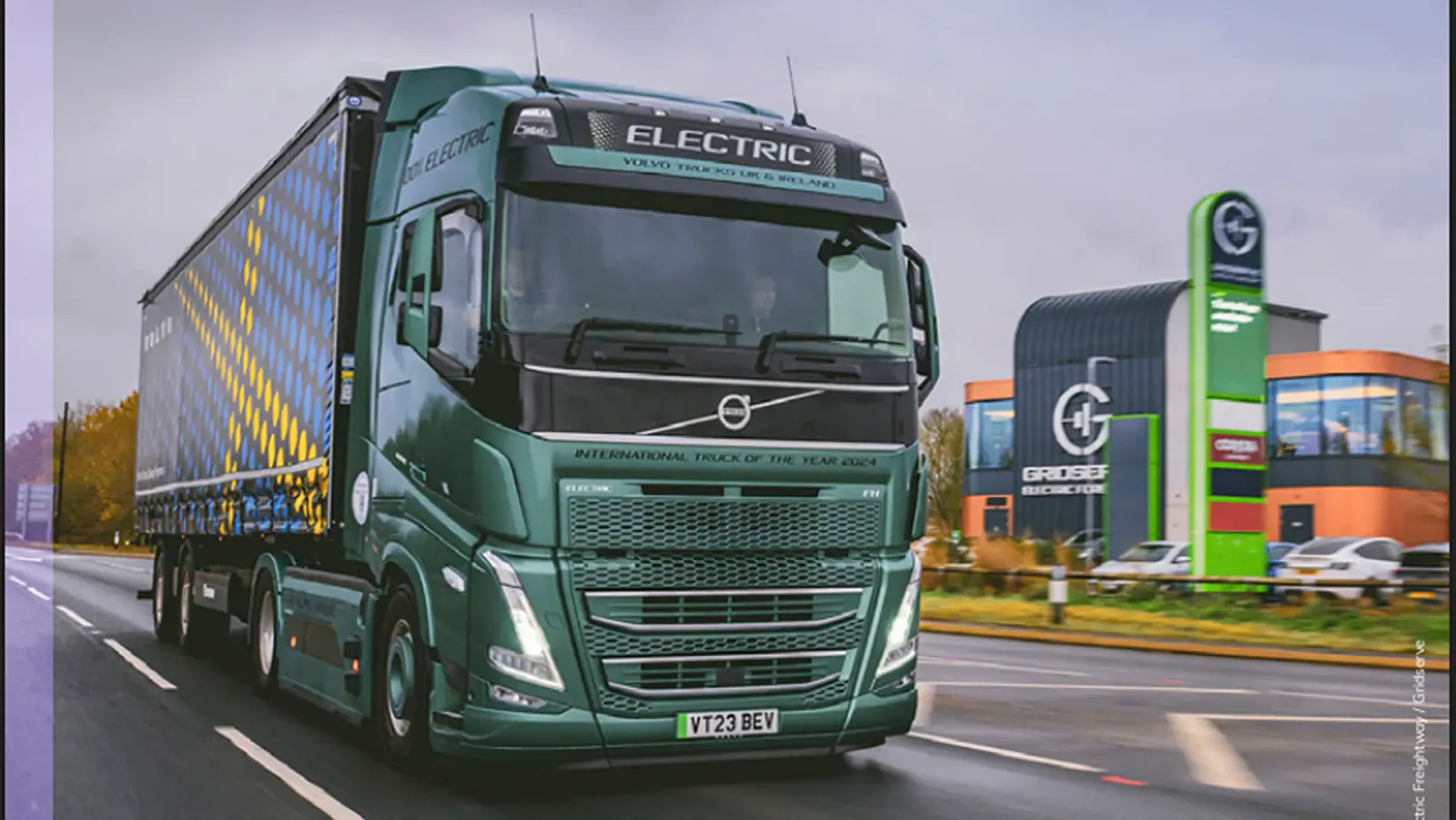
The United Kingdom is ahead of Italy in the electrification of heavy transport. In addition to certain and generous incentives—up to 120,000 euros for each electric truck purchased—efforts are being made to develop infrastructure and the phenomenon is continuously analyzed. The 2026 Report from the ZEHID program—Zero Emission HGVs and Infrastructure Demonstration Programme—is interesting and useful for businesses and policymakers, as it provides detailed monitoring of the adoption of electric trucks up to 44 tons in weight. These trucks currently cost about 2.7 times more than diesel equivalents but offer at least double the energy efficiency. In fact, energy accounts for 20% to 60% of the total cost of ownership. The key figure that makes a real difference is this: in specific optimized use cases over 8 years (with government incentives), eHGVs can generate a net savings of between £60,000 and £120,000.
0 per vehicle — that is about 70,000–140,000 euros — compared to diesel vehicles.How much can be saved with an electric truck
Let’s put all the factors together: today, an electric truck costs about 2.7 times more than its diesel counterparts. But in terms of Total Cost of Ownership (TCO) — a metric that indicates the true cost of a vehicle over its entire lifetime, not just at the time of purchase — energy accounts for 20% to 60% of the total cost. According to British studies, in specific optimized usage scenarios (such as self-generated energy) over an 8-year period, with government incentives, battery-powered trucks can result in a net savings of between £60,000 and £120,000 per vehicle, which is roughly 70,000–140,000 euros. The range is wide, but it still represents a significant return for businesses.
The UK program is interesting not only for the financing but also for the tests that have been initiated. In the early stages, electric trucks achieve an average of 1,350 kilometers per week (compared to about 2,600 kilometers per week for diesel vehicles), with peaks of over 800 kilometers per day for those used on long-distance routes. The tested distances are shorter, but still significant. “It should be noted that the initial phases include training activities, testing, and routes compatible with today’s infrastructure.” The outlook is positive.
DHL moves from vans to electric trucks, starting in the Netherlands with the eTopas 600
The data on payload capacity is crucial: “Due to the weight of the batteries, vehicles weigh about 3.5 tons more when empty, reducing the payload capacity by around 1.5 tons for 42t (4×2) models and up to 3.5 tons for 6×2 models.”
Diesel engines account for one-fifth of transportation emissions, with phase-out targets by 2035/2040.
In the UK, there are approximately half a million HGVs in use, which generate £17 billion in added value and 18 million tons of CO₂ annually—equivalent to 17% of the country’s total transportation emissions. Nearly one-fifth of the sector’s climate impact comes from heavy traffic.
Electric trucks: “More than just green marketing, it’s about savings: 500,000 euros in 5 years.”
This is why ZEHID was created, a program promoted by the Department for Transport (DfT) and Innovate UK, which provides funding of around 150 million pounds (178 million euros) to accelerate the transition of heavy vehicles toward zero emissions. The UK’s goal is clear: to eliminate the sale of new trucks over 26 tons that are not zero-emission by 2035 for trucks at 26 t, and by 2040 for those over 26 t.
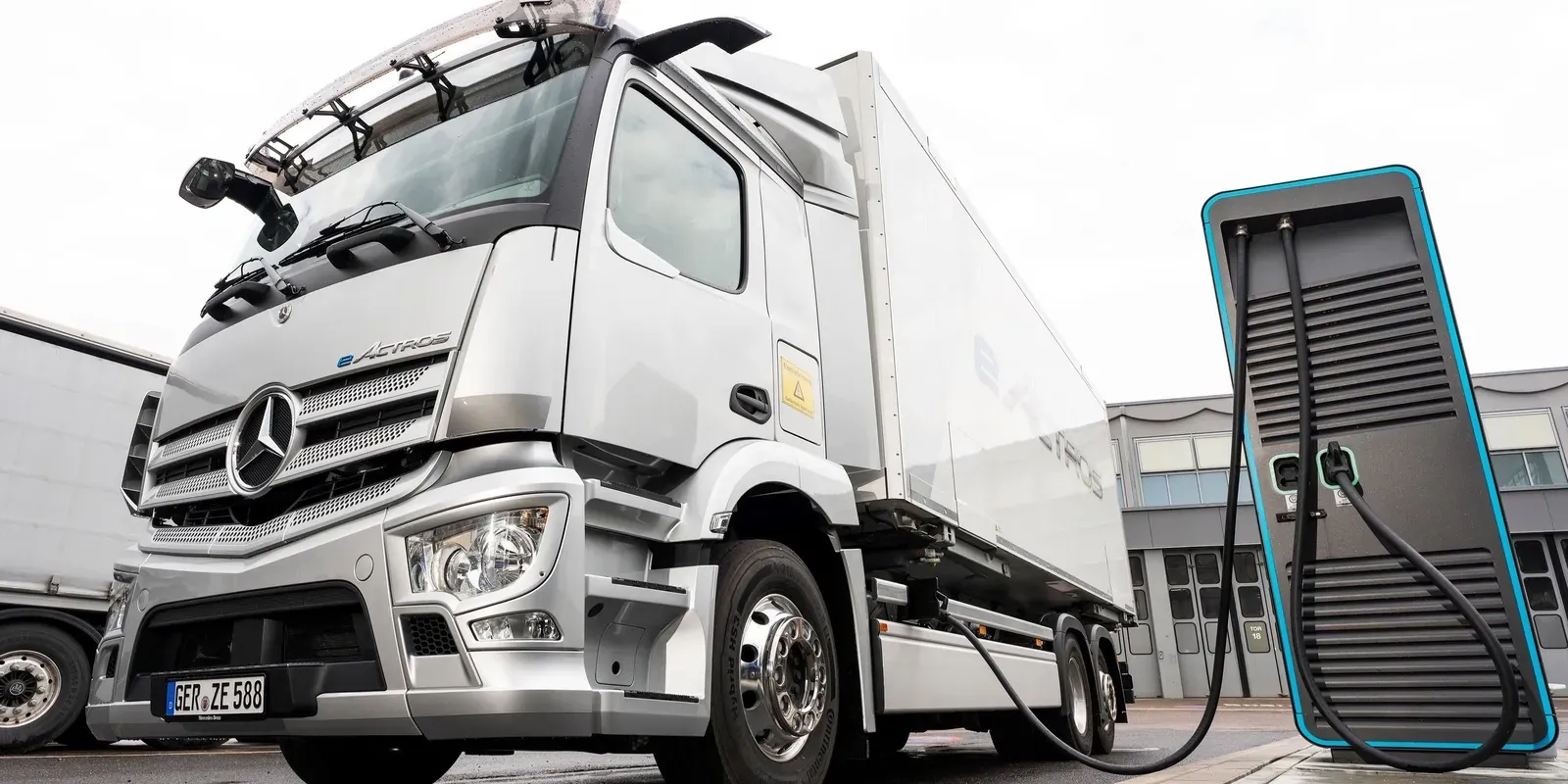
And this is just the beginning. Further funding is planned: a support package of 1 billion pounds (approximately 1.19 billion euros) to expand the Zero Emission Truck Grant and the Depot Charging Scheme, with the aim of making the rollout of electric trucks and dedicated charging infrastructure scalable.
240 electric trucks have already been funded for use on roads, with 300 more set to be deployed by the end of 2026.
Over 240 vehicles and 40 charging stations are already in operation, with the goal of reaching around 300 trucks and 70 charging sites by the end of 2026. Currently, 172 vehicles are sending active telemetry data for evaluation. The environmental impact is significant: an 81% reduction in greenhouse gas emissions compared to equivalent diesel trucks (taking the grid electricity mix into account), and over 4,000 tons of CO₂ saved on a well-to-wheel basis.
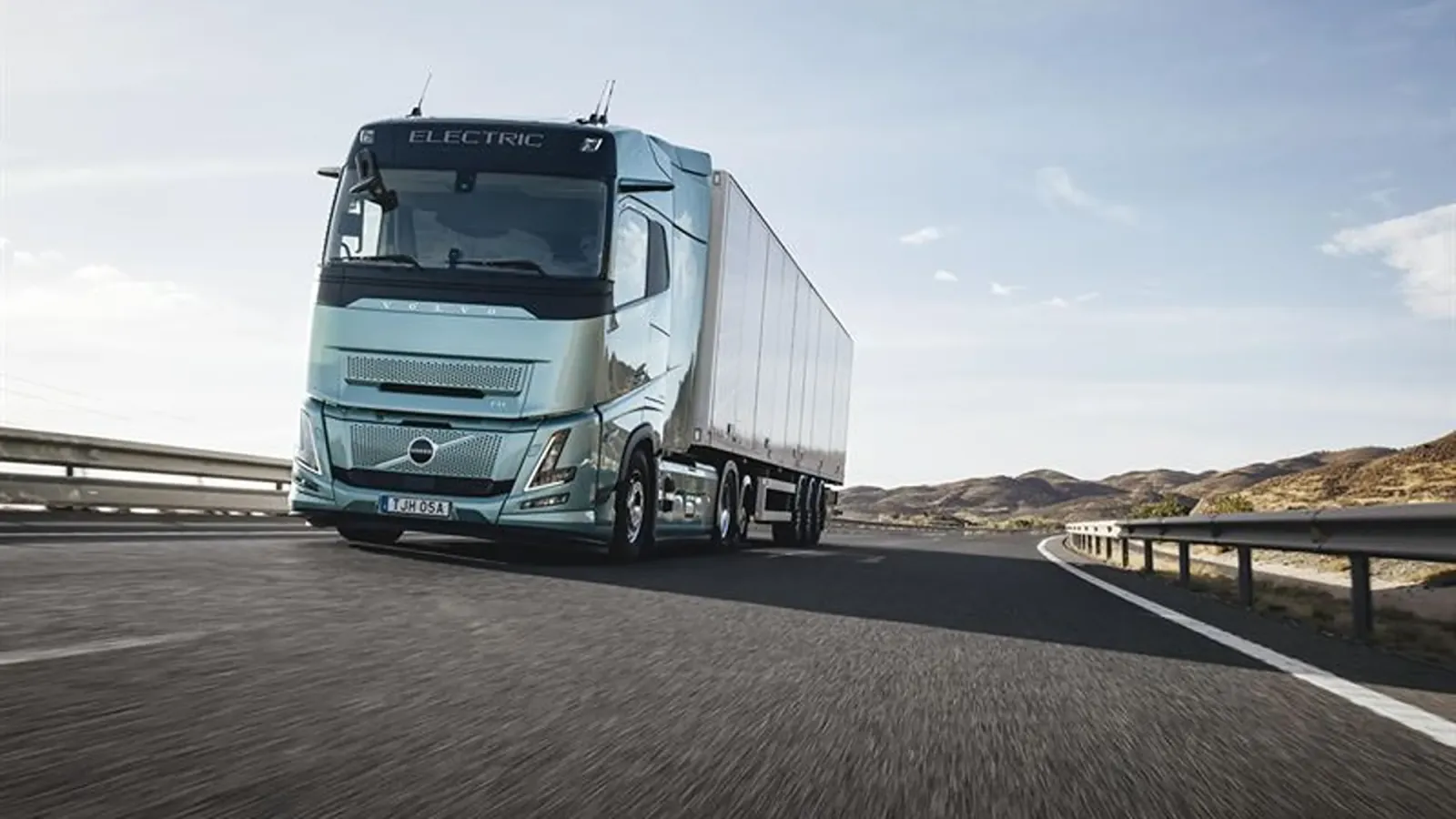
The experience with these fleets is generally positive: drivers report a quieter, smoother ride with better acceleration, factors that contribute to improved operational comfort. The hydrogen-focused project, however, was not successful. HyHAUL, which targeted fuel cell trucks and green hydrogen production, was halted in December 2025 due to the inability to secure binding agreements with customers or fleet operators within the timeline set by the ZEHID funding.
Challenges to Overcome for Electrification, Benefits of the Program
Without subsidies, the total cost of ownership remains higher than that of diesel trucks, especially due to the high initial costs. Parity or savings can still be achieved in specific use cases when government support is available. Payload limitations and weight distribution constraints on axles can reduce the profitability of electric trucks on routes sensitive to weight, limiting their competitiveness in certain segments. The report also states that «the still limited availability of adequate charging infrastructure represents another obstacle at this early stage of eHGV adoption. Often, network expansions and complex site configurations are required, factors that continue to hinder widespread deployment».

What is the purpose of this program? Pilot projects reduce uncertainty by allowing operators to test electric HGVs in real conditions, assessing range, payload capacity, routes, and charging times, while helping to manage risks related to initial costs and infrastructure investments. Field tests generate reliable data on fuel consumption, reliability, downtime, and total cost of ownership, providing a solid basis for fleet decisions, manufacturer development, and more targeted public policies.
Introduction of Milence, Italy’s first truck charging hub
Sharing results builds market confidence, prevents duplicate efforts, and shows where eHGVs are already competitive and where further innovation is needed. Meanwhile, manufacturers are expanding their range of zero-emission vehicles, and there is growing investment in infrastructure, utilities, and investors, creating a more mature ecosystem ready for expansion. Action is required, according to this indication.
READ ALSO: Electric charging station bonuses – hope still exists, watch the video – Incentive guide
Previous article
European project EV4EU: 14% bill discount with V2G
Next article
Leapmotor T03 car 2026 for Vaielettrico jurors