
California pushes for greater energy security with electric vehicles
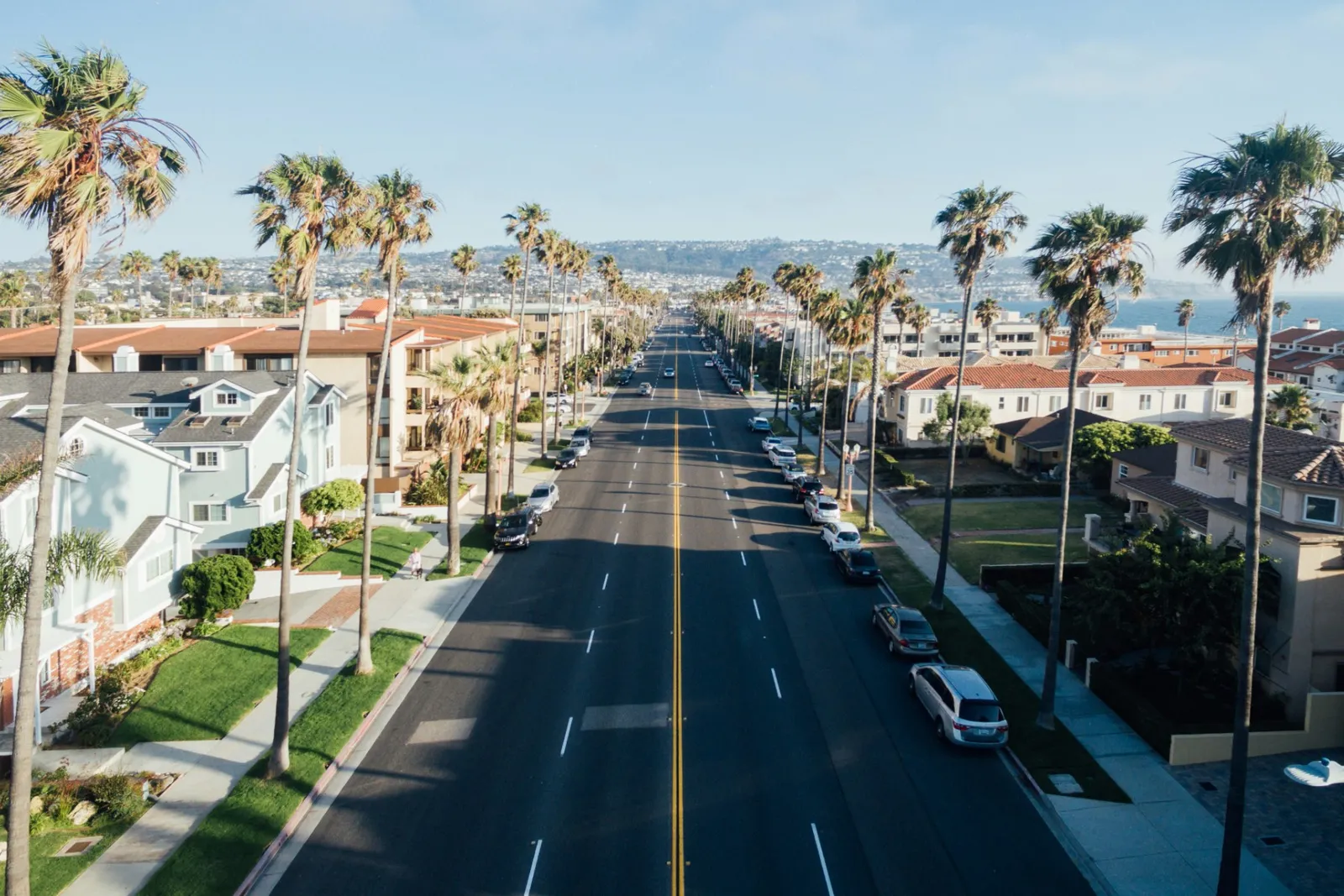
Gavin Newsom has just signed a package of legislation that the California governor says will make electric vehicles and charging infrastructure more affordable, accessible, and easier to build across the state. The new laws aim to cut red tape and accelerate charging infrastructure.
Image: Unsplash/Paul Hanaoka
In California, the latest round of new legislation comes directly after a recent statewide scheme to help Californians purchase electric cars. In parallel, the state has pending legislation poised to reduce electricity prices, increase electrification and support a greater build-out of rooftop solar, as well as an EV-enabled grid support scheme from the state’s largest utility.
According to the Californian governor, the new laws aim to speed up charger deployment, expand consumer choice, and “help more Californians access clean transportation.” This includes faster public charger installation, cutting red tape for charging projects, and more charging at apartments and mixed-use housing.
The California state government points out that this infrastructure initiative builds on the Governor’sMyFirstEV program, which provides an instant rebate of $3,500 for a new vehicle or $1,750 for a used one, deducted directly from the price at participating manufacturers. While this is only one side of the equation to reduce fossil fuel dependence and reduce air pollution, California, the US state that is, on its own, the world’s fourth-largest economy, is upping the ante to build out infrastructure to support the electrification of transport.
The new laws for charging infrastructure tackle issues identified with the build-out of charging infrastructure. Rules have been modernised so tested public chargers can get online faster, as some public chargers were delayed from opening by an outdated inspection process. The government has promised the new laws will maintain safeguards that “ensure drivers receive the electricity they pay for.”
New laws clarify that California’s streamlined permitting rules for charger installations also apply to related work such as trenching, electrical upgrades, solar canopies, or battery storage. New legislation also reduces permitting barriers and fees for charging projects at apartments and mixed-use developments. While these new laws come from Senator Reyes, Senator Ashby, and Assemblymember Schiavo, respectively, Governor Newsom, who is rumoured to be making a bid for the White House, did not mince his words in announcing the new measures.
“Donald Trump has failed to protect American families from paying skyrocketing costs at the pump because of his reckless foreign conflicts and Big Oil greed,” Newsom states in the press release for the new legislation. He maintains that California is choosing a stronger path by getting “EVs on the road, more chargers in our communities, and more affordable choices for families and businesses.” He says the laws cut red tape, accelerate infrastructure and “build a safer, more reliable, and more affordable future, one that is powered by California innovation, not dictated by global oil markets.”
While the governor aims to alleviate pressure from high oil prices and fraught international conflicts around oil, the state also suffers the highest electricity prices in the country. At the end of this month (September 2026), Californians may find it easier and cheaper to install rooftop solar, home batteries and energy-saving heat pumps and heat-pump water heaters if newly proposed legislation is passed.
While the price of diesel and gas at the pump is rising due to conflicts in oil-rich countries, California not only faces pressure from high electricity prices but also challenges as it tries to adapt its grid to absorb its abundant renewable energy. In the last couple of years, a rising number of vehicles have been given V2X capabilities, which include storing home energy from rooftop solar in electric vehicle batteries, as well as enabling vehicles to charge other vehicles and equipment and enabling EVs to become grid-stabilising assets by storing surplus renewable energy and releasing it when required. This is supported not only by electric vehicle manufacturers with bidirectional charging capabilities, but also by utilities adopting the appropriate programs, such as California utility PG&E, which recently further opened its residential vehicle-to-everything programme to more electric cars and charging systems.
Incidentally, also today, Germany’s performance automotive company BMW is reportedly making its iX3 available to US customers ahead of schedule due to unexpectedly high demand. The luxury electric car is capable of bidirectional charging. A Californian dealer has reportedly already made the vehicle available to customers ten days before its official launch date.
For essential goods transport, California recently partnered with state governments in Canada and Mexico to establish a charging corridor for electric heavy goods vehicles along the North American coast.