
California activates $3,500 rebates for first-time ZEV buyers
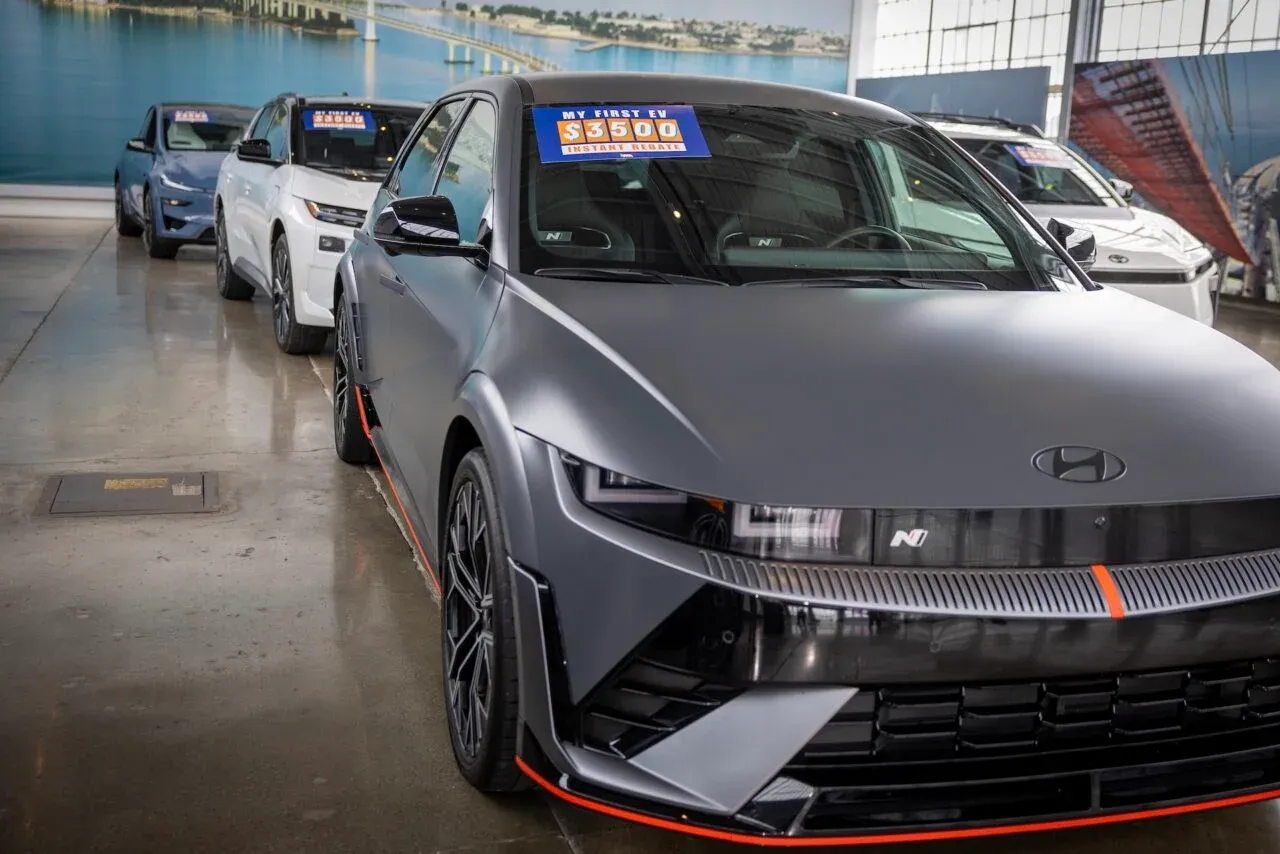
Californians buying their first zero-emission vehicle can now receive up to $3,500 off at the point of sale. Hyundai, Lucid and Tesla are the first participating manufacturers, with several more due to join in the coming months.
California’s MyFirstEV incentive programme is now available to buyers and lessees purchasing their first zero-emission vehicle (ZEV). The programme is designed to provide an incentive directly at the point of sale rather than requiring buyers to claim the rebate afterwards. It provides an instant rebate of $3,500 for a new vehicle or $1,750 for a used one, deducted directly from the price at participating manufacturers.
New ZEVs qualify with an MSRP of up to $50,000. For used vehicles, the maximum purchase price is $25,000, and they must be sold through a manufacturer’s pre-owned vehicle programme. The incentive is open to any California resident buying or leasing their first ZEV.
As previously reported, California is investing $135.5 million in MyFirstEV, with participating manufacturers matching the funding dollar for dollar. This brings the programme’s total funding to $271 million.
“MyFirstEV makes EV ownership possible for more Californians,” said Yana Garcia, California’s Secretary for Environmental Protection. “With this program, we continue to lead through innovative policies that clean our air, protect health and provide more affordable options for working people.”
More manufacturers to join in the coming months
Hyundai, Lucid and Tesla are offering the rebates from the launch through their dealerships and sales centres across California. Ford, Rivian, Chevrolet and Kia are due to join in August, followed by Toyota/Lexus, Honda and Subaru in September. Mitsubishi plans to participate from November, while Nissan and Volvo have yet to determine their launch dates.
“California is once again leading with bold, decisive action and expanding access to the benefits of zero-emission vehicles with the launch of the MyFirstEV program,” said California Air Resources Board Chair Lauren Sanchez. “This program means more than just new technology for California families – it means cleaner air for their children, lower fuel and maintenance costs and the opportunity be part of California’s clean air future.”
Transport remains California’s largest emissions source
The state government sees further ZEV deployment as an important part of its efforts to reduce transport emissions and improve air quality. Transportation accounts for 60 per cent of California’s smog-forming pollution and 40 per cent of its greenhouse gas emissions. According to the state, nearly 18 million Californians live in areas with unhealthy air, while air pollution causes 1,500 deaths annually in Southern California alone. The Golden State argues that replacing combustion-engine vehicles with ZEVs can also reduce fuel and maintenance expenditure for drivers.
The incentive comes as California continues to expand the electricity infrastructure underpinning its transition to electric transport. Battery storage capacity has now reached 21,112 MW, up from less than 700 MW in 2019. Around 18,000 MW is grid-scale storage, with another roughly 3,000 MW installed at homes, schools, farms and businesses.
Solar power surpassed natural gas as California’s largest electricity source during the first half of 2026. According to the California Energy Commission, solar power use increased by 22 per cent between the first half of 2024 and the same period in 2026, while natural gas use fell by 51 per cent.
Grid battery capacity increased by 80 per cent over the same period. The combination of additional renewable generation and storage supports California’s wider target of sourcing all electricity from clean sources by 2045.