
“It makes my stomach turn”: Nick Cassidy, Citroën Formula E driver, talks about his experience with the new generation of electric single-seaters
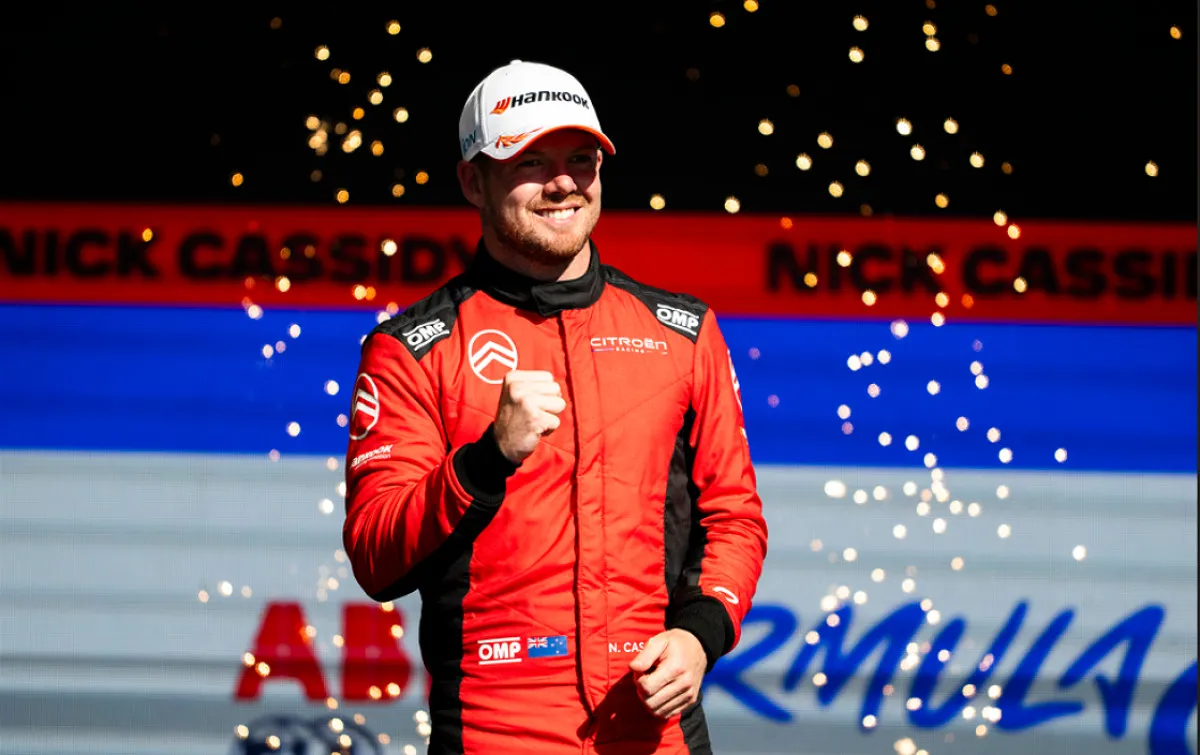
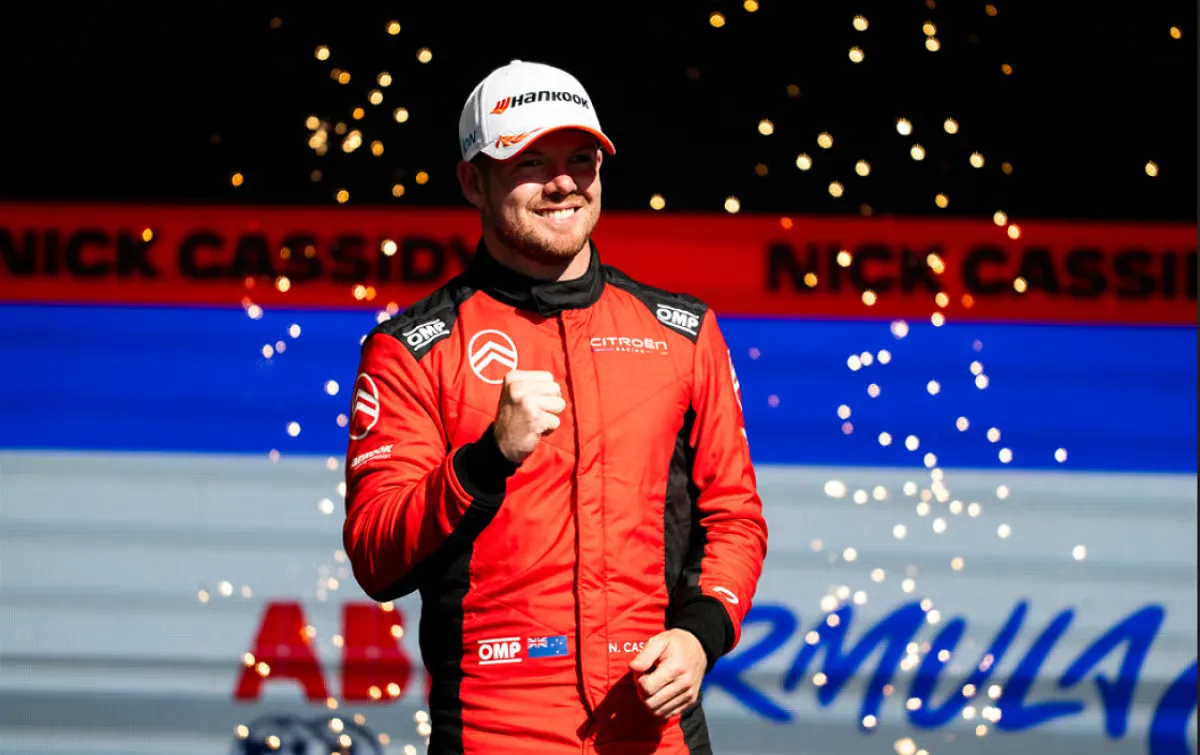
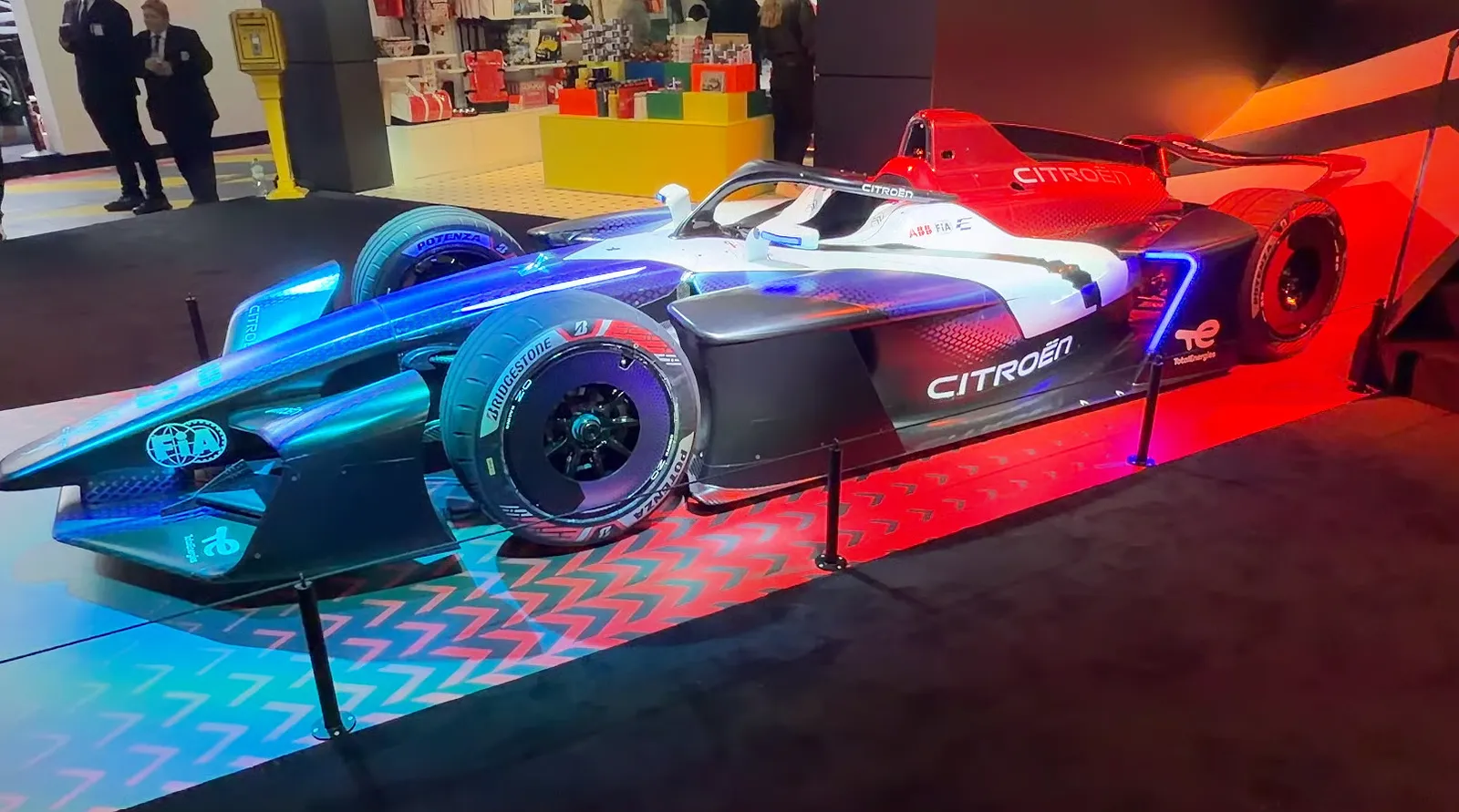
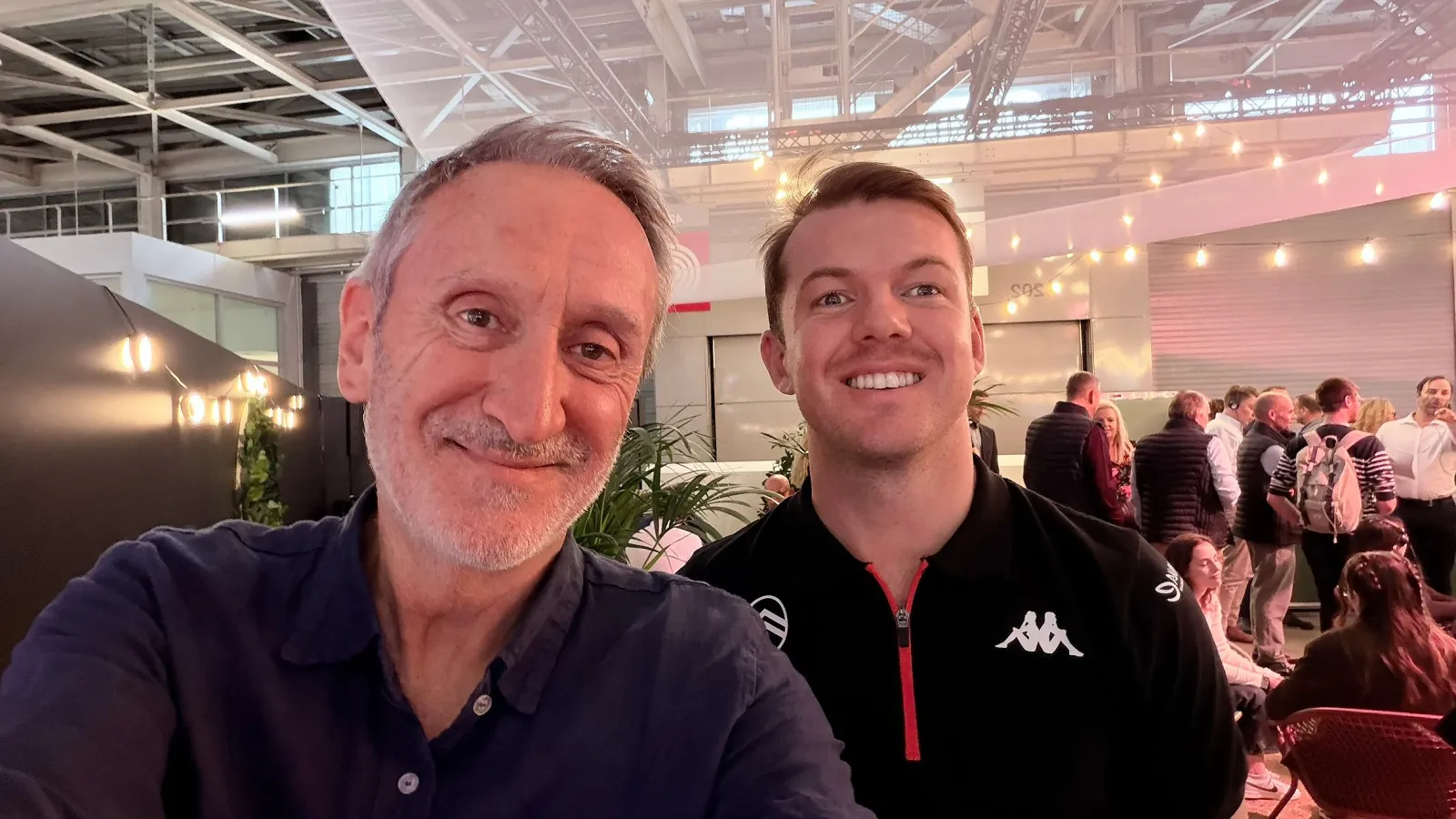
Less noticeable than the 2 CV but much more impressive, there was another star at the Citroën booth at the Paris Motor Show: the GEN4 Formula E single-seater that will compete in the upcoming championship, with the first race taking place in December in Djeddah. This provided an opportunity to discuss electric racing with Nick Cassidy, driver for Citroën Racing Formula E.
The Formula E is the FIA World Championship for 100% electric single-seater cars, where energy management is just as important as speed. Its thirteenth season, scheduled from December 18, 2026, to July 2027, will feature 21 races across 13 events. It will introduce the GEN4 cars, which have permanent all-wheel drive and a power output of 450 kW, rising to 600 kW—approximately 815 horsepower—in Attack mode.
Automobile Propre: Hello Nick. Several studies consistently show that over 90% of people who drive electric cars will never return to traditional internal combustion engine vehicles. Is the same true for Formula E drivers?
Nick Cassidy: Yes, and not just for city driving—I think electric cars are also suitable for long trips. The technology, fast charging, range are constantly improving, and the infrastructure keeps advancing, so I believe it will become increasingly easier. But to be honest, the main reason, coming from a race driver, might seem strange: what I like most about electric cars on the road is the lack of noise. I’m less tired, I feel more comfortable behind the wheel. I feel better and more refreshed when driving an electric car on the road.
Clean Cars: Do you drive an electric car in your daily life?
Nick Cassidy: Yes. In the city, I drive a Citroën Ami.
Clean Cars: That doesn’t surprise me. And might your next car be a 2 CV?
Nick Cassidy: I hope so. I need to learn French.
Automobile Propre: As a driver, do you only drive in Formula E these days, or do you also drive internal combustion engines with other brands on different circuits?
Nick Cassidy: I also drive for Peugeot in the WEC.
Automobile Propre: So you can make comparisons. Is the Gen4 more powerful? Have you driven it?
Nick Cassidy: The Gen4, in terms of power, acceleration, and top speed on straightaways, is the fastest car I’ve ever driven. I’ve raced in Super Formula and the WEC, I’ve tried an IndyCar, and I can say without hesitation that on straightaways, the Gen4 is the fastest car I’ve ever driven.
Automobile Propre: From 0 to 100 km/h in less than two seconds? They say it’s 1.8 seconds.
Nick Cassidy: 1.8, yes. During testing, we’ve already reached 1.64.
Automobile Propre: Does that represent two or three Gs during acceleration?
Nick Cassidy: I don’t know the exact figure, but I said earlier in a conference that I don’t like it because it makes my stomach turn. Maybe I should have said I loved it, but it clearly shows the G forces and the level of performance.
Automobile Propre: Next season, you’ll race on several circuits also used by Formula 1, like Miami…
Nick Cassidy: The same circuit, but not the same layout.
Automobile Propre: Okay. Will Austin and Zandvoort have the same layout?
Nick Cassidy: No. The only circuit where we race on exactly the same layout, I think, is Monaco.
Automobile Propre: Last season, you won in Mexico. Congratulations. Is it the same track as Formula 1, or a different one?
Nick Cassidy: From what I understand, it will be a much longer version than last year, but it will still differ from Formula 1’s track.
Automobile Propre: So we can’t compare them…
Nick Cassidy: Really, only in Monaco.
Automobile Propre: Actually, I checked the statistics. I was in Monaco and compared the times of Formula 1 and Formula E. There’s still a significant difference, but Formula 1 is slower this year by an average of 5 seconds per lap, while Formula E has become much faster, with a gain of around 10 seconds per lap thanks to the GEN4. Might the gap be smaller this season?
Nick Cassidy: I think both championships are advancing very quickly. In Formula 1, with the new regulations, they’re improving aerodynamic performance, and obviously, when you improve aerodynamics, you gain time per lap. I wouldn’t be surprised if next year they’re two seconds faster in Monaco than this year. What needs to be kept in mind is that we achieve this level of performance, these lap times, with a very standard aerodynamic kit that’s identical for all teams, and with a tire that isn’t a slick—we’re using all-weather tires. That makes a big difference, especially on a circuit like Monaco with its slow corners, because in slow corners, grip comes mainly from the tires. Just the tires alone are already a significant disadvantage. But despite these two limitations, I think we’re faster than F2. We’re a real...
A reference in terms of speed, with a lot of potential.Automobile Propre: Are the Formula E single-seaters exactly the same for all teams? Is the regulation very strict regarding aerodynamics and tires?
Nick Cassidy: Yes, as well as the front suspension and chassis. But everything behind the driver—the gearbox, electric motor, suspension—is developed by each team, along with the software. So internal development remains very, very important. What surprises me is that the regulations can be so open yet still see such tight lap times and competition among the leading manufacturers.
Automobile Propre: On the new Formula E, are there two motors, one at the front and one at the back?
Nick Cassidy: Yes.
Automobile Propre: And what’s it like to drive a four-wheel-drive single-seater?
Nick Cassidy: It’s a unique feeling, but it also boosts performance. Having traction from four tires instead of two is a huge advantage. The acceleration feels incredible. To be honest, it might make races less competitive, because it’s easier for the driver to maintain control. In Formula 1 or a two-wheel-drive category, you wait for the car ahead to make a mistake on exit from a corner. With four-wheel drive, there are fewer mistakes on corner exits, so it can change the style of racing a bit.
Automobile Propre: Is race and team strategy as important as in Formula 1?
Nick Cassidy: In Formula E, yes, even more so. With energy management, attack mode, and boosts, there are many opportunities to gain positions. I would say strategy is even more crucial than in Formula 1.
Automobile Propre: Let’s talk about everyday cars. Can you give us a concrete example of technology from Formula E that could improve mass-market electric vehicles? Range? Power? Handling?
Nick Cassidy: I think it will always be related to range. Then we can look at handling, braking systems, anti-skid features, and ways to better recover energy or consume less of it. Simple things like not wasting energy due to tire skidding. During braking, it’s very easy to lose energy when the tires slide too much, and the same is true during acceleration. These are the factors that have the biggest impact on range with a single battery.
“We don’t slow down to save energy because we need to go through the corners as fast as possible to conserve it.”
Automobile Propre: You’re renowned for your high-level skills in energy management in racing. Is that really compatible with the spirit of motorsport?
Nick Cassidy: Yes, it’s the new way of racing, and I’ll tell you why. With energy management, the faster you go through a corner, the more energy you save, because you don’t need to accelerate as much on the next straight since you’re starting from a higher speed. It’s more efficient. I understand it’s different from traditional car racing; it’s a new factor to manage. But what many people don’t understand is that you don’t slow down to save energy—instead, you need to go through the corners as fast as possible to save energy.
Automobile Propre: Yes, because there’s regenerative braking…
Nick Cassidy: That’s another topic. But let’s take an example: two cars traveling at 300 km/h. One slows down to 200, and the other slows down to 100. The one that slowed to 100 must expend energy just to return to its original speed. That’s wasted energy. The slower you turn, the more energy you waste accelerating again. The whole point is to take turns as fast as possible to avoid wasting energy. And that’s what we need to explain better to fans: energy management still means driving as fast as possible.
Automobile Propre: Okay, I see. Very interesting. Citroën is known for making affordable, everyday cars, while Formula E represents top-tier performance. They are two separate worlds. How do you balance the two in your daily life, and when talking to people, between everyday cars and racing cars—both electric?
Nick Cassidy: I think the fact that Citroën is involved in cutting-edge technology allows it to incorporate as much of that knowledge into durable and affordable products. In this way, Citroën offers people access to high-end technology at a different price point with other products. Even though they seem very different on paper, I find the connection between the two to be quite unique and interesting.
Automobile Propre: Formula E cars are becoming faster and more powerful. Do you think the championship risks losing its original focus on energy efficiency?
Nick Cassidy: No, not regarding energy efficiency, because I think races on large circuits will require… we’ll almost have to save even more energy, since the straights are longer and so are the corners. So there will always be races focused on energy management. But where I think we risk losing our core identity is by moving more and more to permanent circuits, like Formula 1 or other championships, whereas Formula E started in city centers. That’s, for me, the risk of losing our core identity. But as for energy management, I’m not worried.
Automobile Propre: So personally, do you worry about moving to permanent circuits?
Nick Cassidy: It’s possible, but there are several ways to look at things, so I need to keep an open mind. To be very honest, this is why going to larger and more remote circuits worries me. I want Formula E to be accessible to as many fans as possible. The original Formula E circuits in city centers were easy to reach: you left home, took the subway, and you were at the circuit.
“Today, with advances in technology, the cars are better, they have more range, and that shows we can go to larger circuits and aim higher.”
Automobile Propre: And it’s not very expensive either.
Nick Cassidy: Not cheap, no. If you have to go to a remote circuit, you might need to rent a car, find friends to drive back and forth, and maybe stay in a hotel. That’s what worries me. Also, electric cars were, I think, originally designed for city driving, so it made more sense then. Today, with technological advancements, cars are better and have longer ranges, which shows that we can go to larger circuits and aim for more. As technology improves, I understand why people think it’s possible. We’ll see, but that’s what concerns me.
Clean Car: How long is a race these days?
Nick Cassidy: 45 minutes.
Clean Car: In two sessions, one race on Saturday and one on Sunday?
Nick Cassidy: Sometimes we have two races over the weekend, sometimes just one.
Automobile Propre: Nick, one last question: it’s often said that electric cars lack excitement compared to internal combustion engines. What do you think?
Nick Cassidy: Wait until they drive a Gen4, and we’ll see what expressions they make.