
BYD Xuanji A3 – BYD has its own chipset for handling artificial intelligence, specifically: (semi)autonomous driving
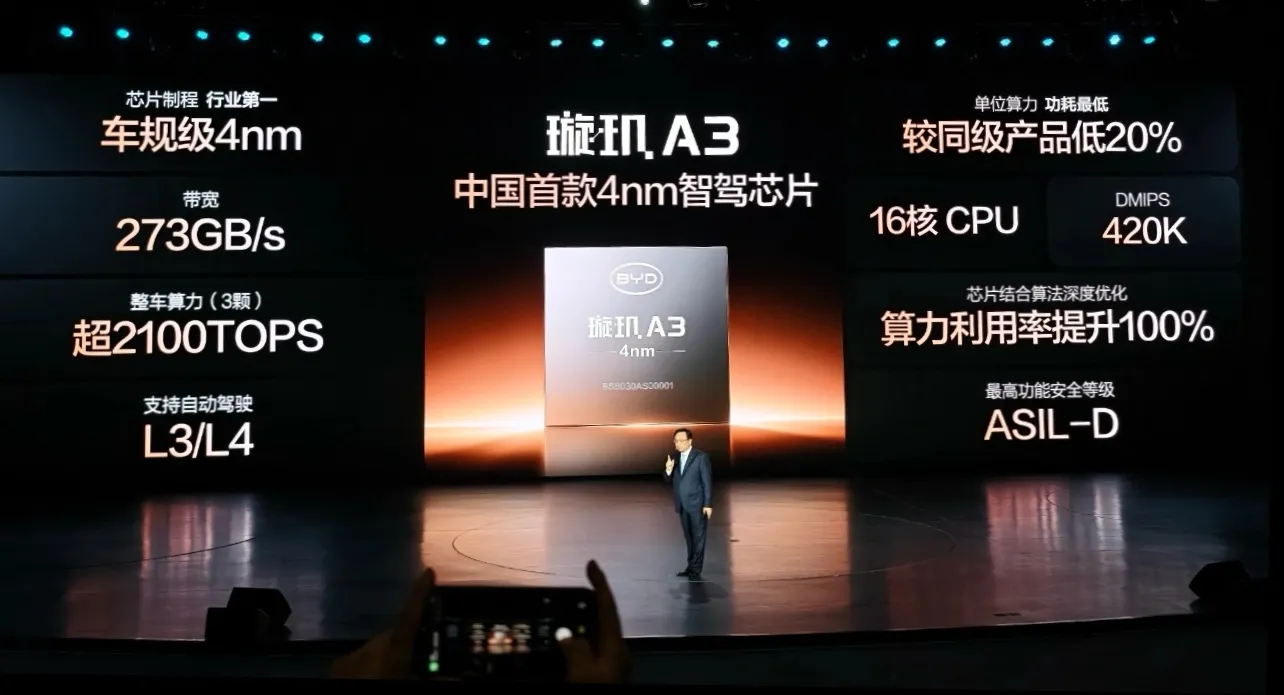
BYD is another Chinese company boasting its own chipset designed for driving (semi)autonomous vehicles. The BYD Xuanji A3, which is the name of this chipset, operates on a laptop-sized circuit board and is claimed to be “the most powerful Chinese chip” as well as “the most energy-efficient system on the market.” Using it will enable BYD to convince buyers that choosing its vehicles is worthwhile, thereby enhancing its competitive advantage over other brands.
Semi-autonomous BYDs: Is this what we lack?
Tesla introduced popular, affordable electric cars, and China followed suit without considering the consequences. Tesla surprised the world by entering the semiconductor market, designing AI-optimized chipsets for its own platforms, and China chose the same path again. Most started with Nvidia chips before quietly developing their own multi-core processors that could replace those designed in the United States.
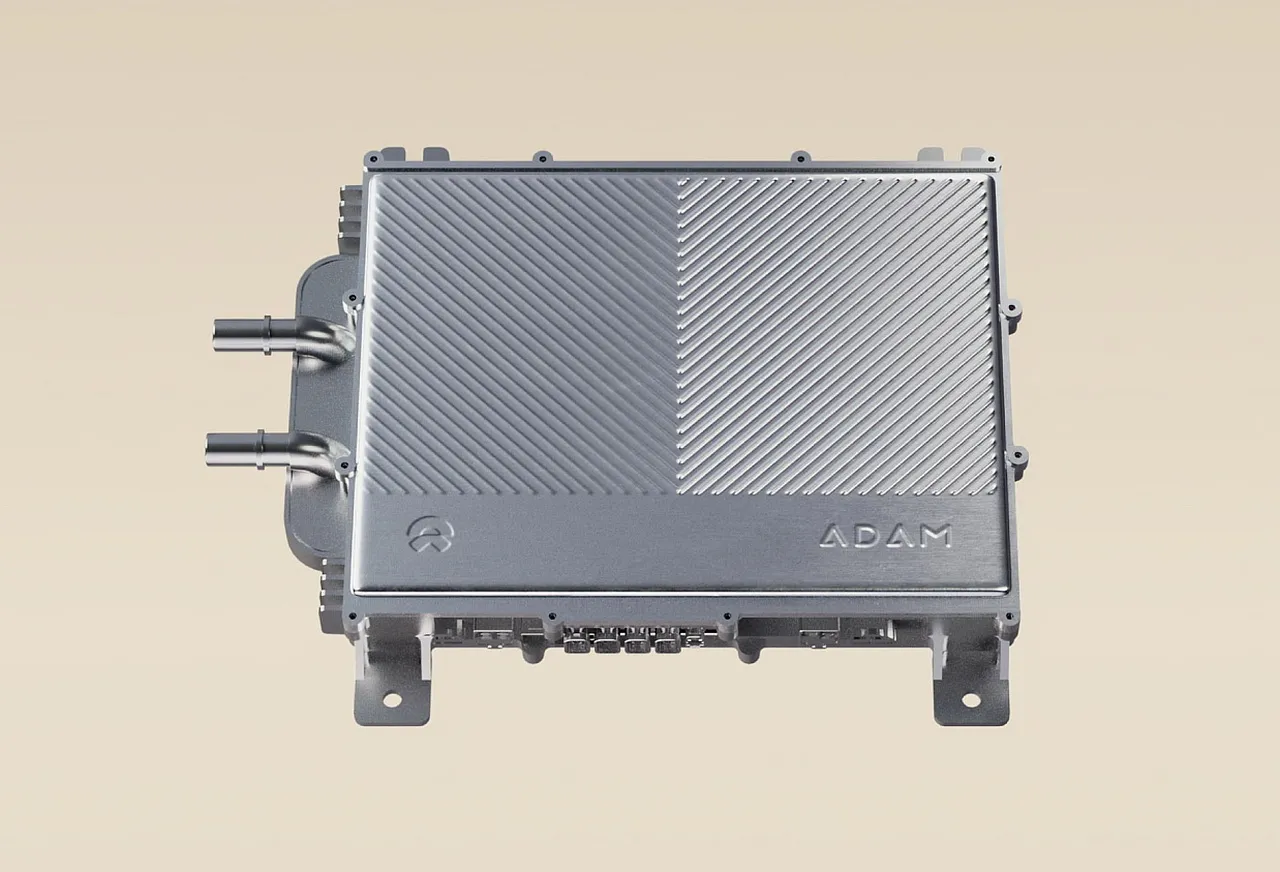
The Nio Adam computer developed by Nio. Initially, the chassis used four Nvidia Orin-X chips, but in 2025 they were replaced by the Shenji NX9031 chip, at least in the Nio ET9. Anhui Shenji is a subsidiary of Nio (c) Nio
The BYD Xuanji A3 is the result of exactly the same kind of work. Designed from scratch by BYD as “China’s most powerful processor for autonomous vehicles,” it uses 20 percent less energy than similar systems. It is intended to be truly multi-functional, handling control of the electric drive, human interaction through the intelligent cockpit, and advanced driver assistance systems (ADAS). And when appropriate regulations emerge, the chip will provide sufficient computing power for software to take control of the vehicle during autonomous driving.
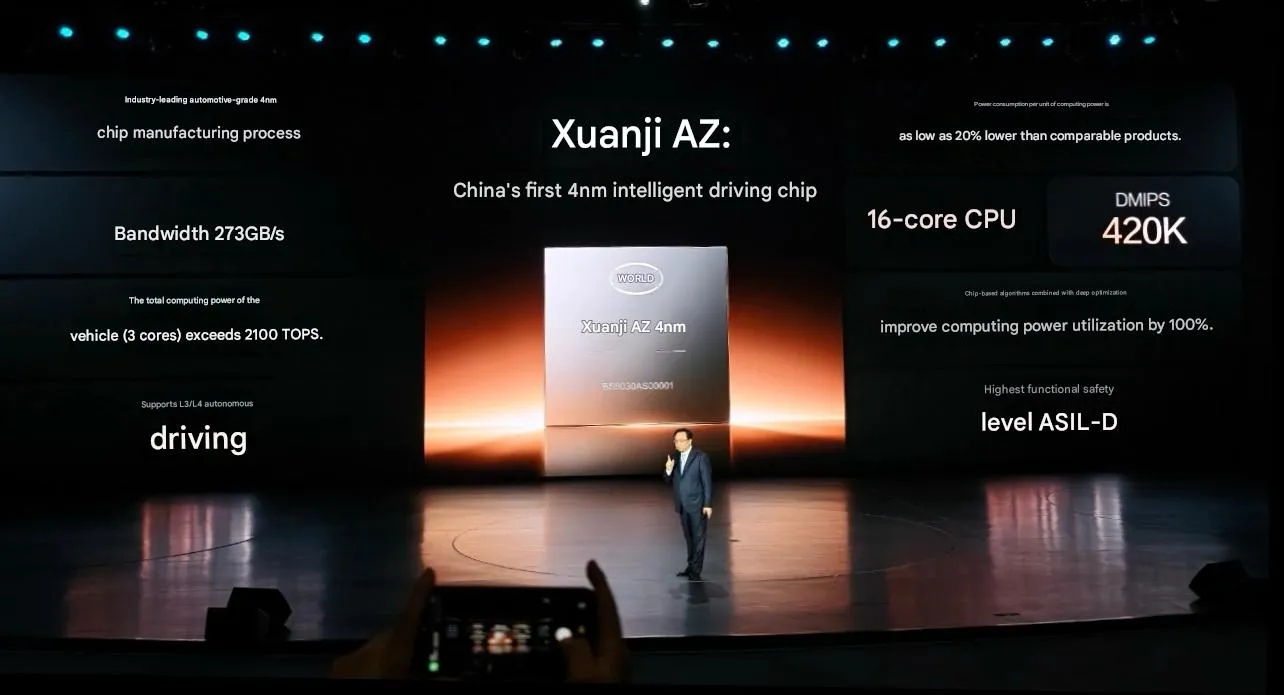
Technical specs of the BYD Xuanji A3, from ITHome. Google Translate incorrectly changed “3” to “Z”.
Currently, BYD does not offer any software that promises autonomy above SAE level 2; even the God’s Eye system requires constant human supervision. The manufacturer is waiting for appropriate legal frameworks, expecting them in China by 2027, and claims it will be ready to reach L3 and L4 levels — thanks to the BYD Xuanji A3. The chip has already entered mass production, according to ITHome (link above; in Chinese), with the total power of the three systems expected to be 2,100 TOPS, giving around 700 TOPS per chip.
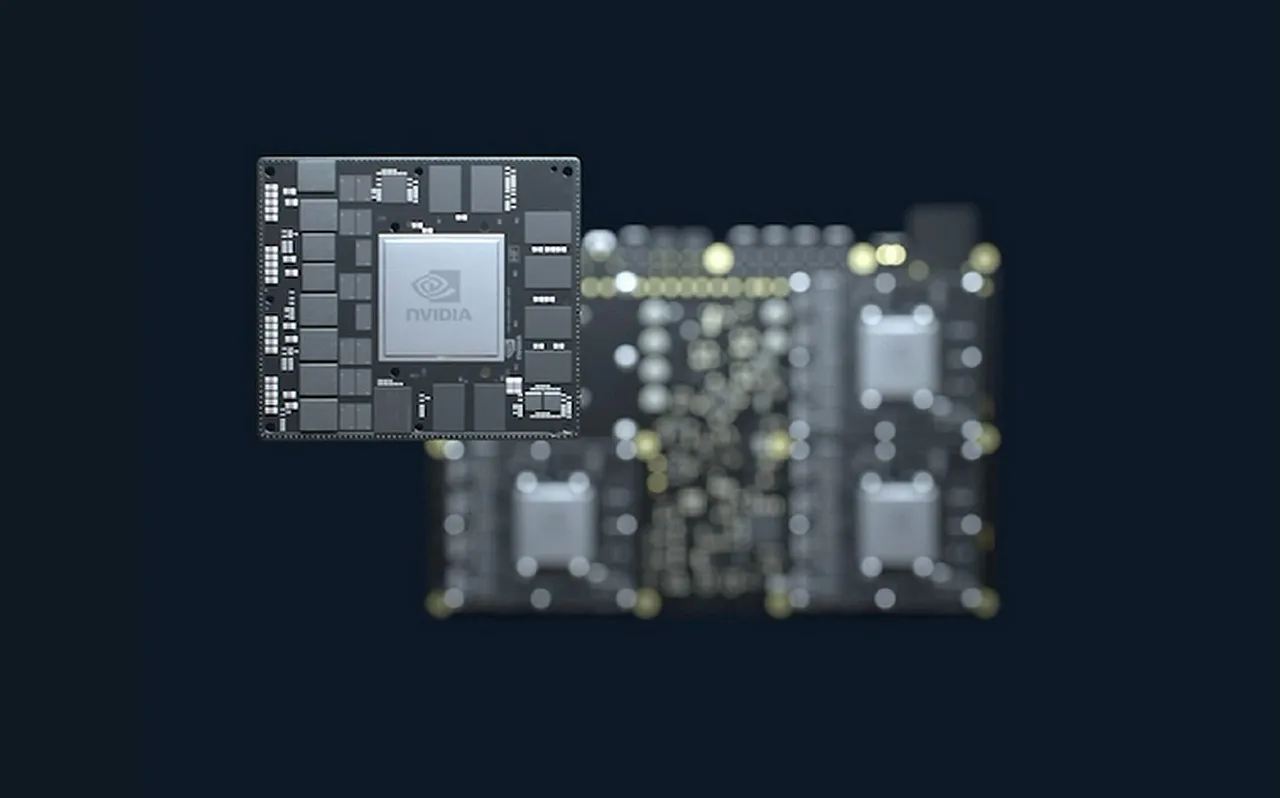
The Nio Shenji mentioned in the text has a computing power of around 500 TOPS per chip, while Nvidia Orin-X chips offer performance of about 250-275 TOPS per chip. The successor to Orin-X, Nvidia Thor, achieves up to 700 TOPS. The first Tesla FSD (FSD/HW3) computer had two chips with a combined performance of 144 TOPS, and Tesla HW4/AI4 is expected to have ten times that amount. All manufacturers use computing systems with more than one processor; Tesla HW3 had two, Nio used four Orin-X chips, and now it uses two Shenji NX9031 chips. BYD will use three Xuanji A3 chips.
Editor’s note from Elektrowozu: In this text, we use the terms “processor,” “system,” “chip,” and “chipset” interchangeably. This isn’t entirely accurate, as “chipset” originally refers to a “collection of systems.” However, all the solutions described are actually “system-on-a-chip” assemblies, that is, collections of various processors, controllers, accelerators—in short, computing cores optimized for different tasks, all housed in a single package. The most appropriate term, SoC, seems too technical to us, which is why we opt for this mixed usage. The word “processor” simply gains a new, increasingly broad meaning.
Article rating
Readers’ ratings
[Total: 1 vote Average: 5]
Don’t miss new content—CLICK and FOLLOW Elektrowoz.pl on Google News. You might also be interested in the following ads: