
BYD aims to exceed 500 km/h with its electric supercar on a road in Dubai
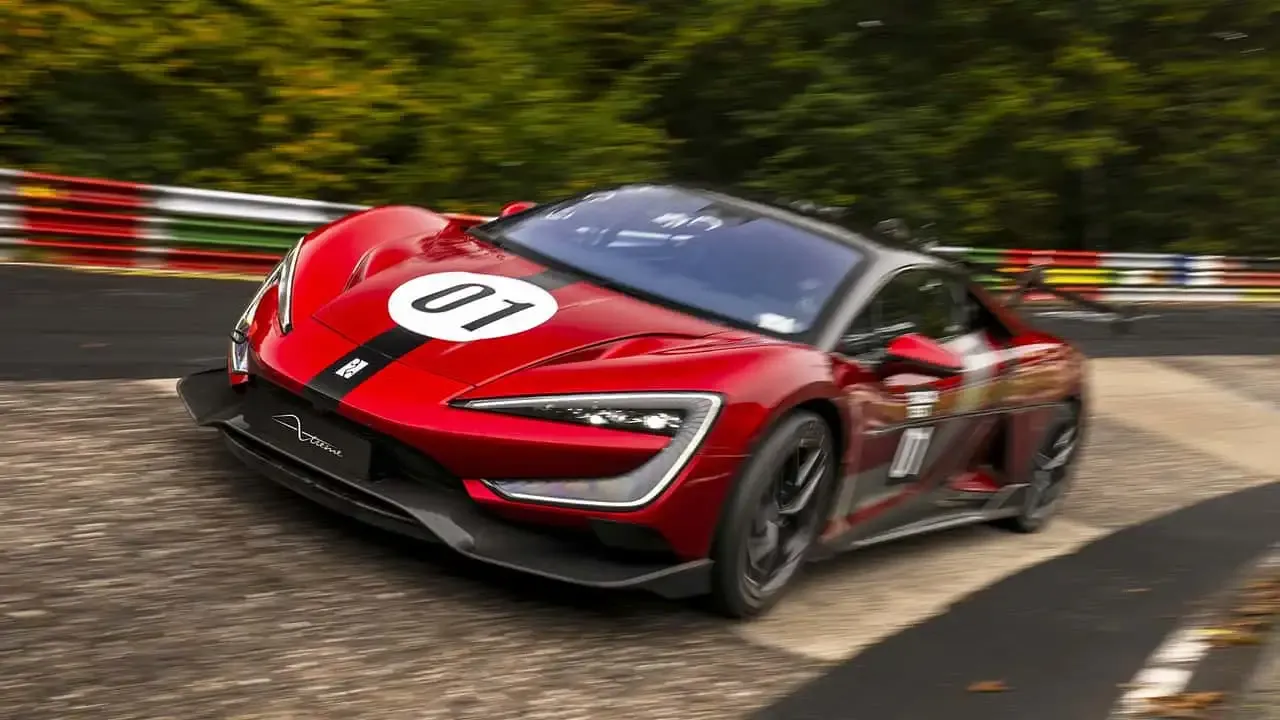
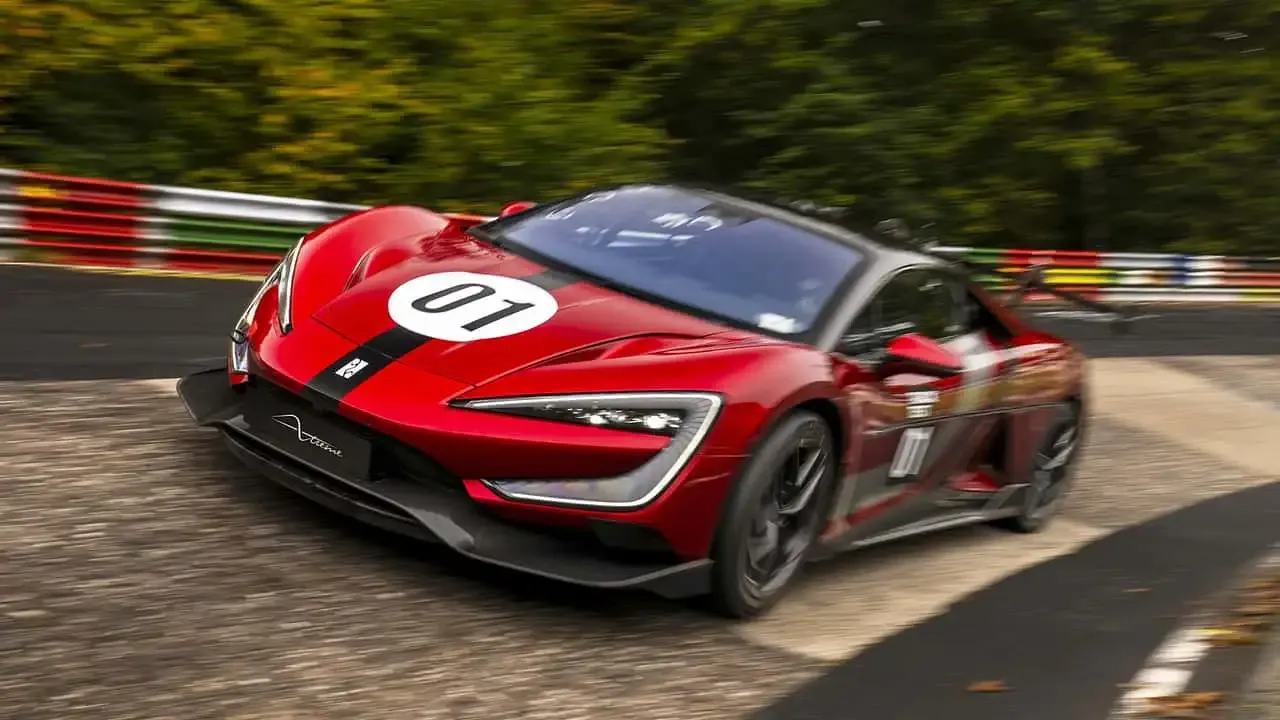
After achieving the staggering speed of 496.22 km/h in Germany, BYD does not intend to stop there. The Chinese manufacturer plans another record attempt with its Yangwang U9 Xtreme, this time in Dubai. The goal is clear: to exceed 500 km/h with a 100% electric vehicle. But to accomplish this, it will need to find a long enough road and obtain the necessary approvals.
The race to set speed records is no longer limited to traditional internal combustion supercars. In recent years, electric vehicle manufacturers have also sought to push the boundaries of their vehicles. In this area, BYD has already made a significant impact with its Yangwang U9 Xtreme. In September 2025, this impressive electric sports car reached 496.22 km/h on the ATP test track in Germany. This performance allowed it to surpass the top speed achieved by the Bugatti Chiron Super Sport 300+ in 2019. But the Chinese manufacturer does not seem content to stop there. Its executive vice president, Stella Li, recently mentioned a new challenge: breaking through the symbolic barrier of 500 km/h.
A 15-kilometer route to reach 500 km/h
In an interview with Business SNA on July 6 in Abu Dhabi, Stella Li discussed the performance of the Yangwang U9 Xtreme and the manufacturer’s ambitions. After recalling the 496.22 km/h speed achieved in Germany, the executive explained that BYD now intends to organize another attempt, which it had already tried this summer, specifying that it would take place in Dubai in November. For this, the team would need a road approximately 15 kilometers long. Stella Li stated that BYD plans to work with local police authorities to find a suitable location for this attempt.
Also read
Record: this electric car achieves a charging power of 721 kW at a French charging station
It is not yet an officially organized event. At this stage, the manufacturer has not confirmed the route that might be used, nor has it confirmed the acquisition of necessary permits or a specific date. Therefore, it remains a project, even though BYD’s stated intentions are particularly ambitious.
Only 3.78 km/h to go!
The Yangwang U9 Xtreme is already very close to this goal. On September 14, 2025, at the ATP test track in Germany, driver Marc Basseng managed to reach 496.22 km/h at the wheel. To exceed 500 km/h, this Chinese sports car only needs to gain 3.78 km/h. This difference may seem trivial at first glance, but it represents a real technical challenge at such speeds.
To achieve this, BYD has a vehicle with impressive specifications. The Yangwang U9 Xtreme is equipped with four electric motors that combine to produce 2,220 kW of power, equivalent to around 3,000 horsepower. This exceptional power output has already made it one of the fastest cars in the world. For comparison, the Bugatti Chiron Super Sport 300+, with 1,600 horsepower, reached 490.48 km/h in a one-way test in 2019. The Koenigsegg Agera RS, with 1,360 horsepower, achieved an average speed of 447.19 km/h over two round-trip tests in 2017. However, since the measurement methods differ, these performance figures are not directly comparable.
With a speed of 496.22 km/h, the Yangwang U9 Xtreme has already demonstrated its potential. It remains to be seen if it can gain the extra few kilometers per hour needed to reach a new milestone.
Why is such a long track necessary?
At nearly 500 km/h, the distances covered become absolutely staggering. During its previous record attempt, the Yangwang U9 Xtreme traveled at about 138 meters per second! In other words, in just one second, it covered a distance greater than the length of a football field. Under these conditions, having a long straight track is essential. There must be enough space to gradually accelerate to maximum speed, as well as to safely decelerate and bring the vehicle to a stop.
Also read
213 km/h drift: GAC sets an electric car record no one asked it to break
And road length isn’t everything. The quality of the surface, weather conditions, wind, tire resistance, aerodynamic stability, and braking capabilities are all crucial factors. If the attempt were to take place on a road normally open to traffic, specific safety measures would also be essential, including closing off the relevant section of the road.
For now, there’s no indication that Dubai will offer more favorable conditions than those in Germany. BYD will first need to find a suitable location and obtain the necessary approvals.