
BYD increases price pressure on plug-in hybrids in Germany
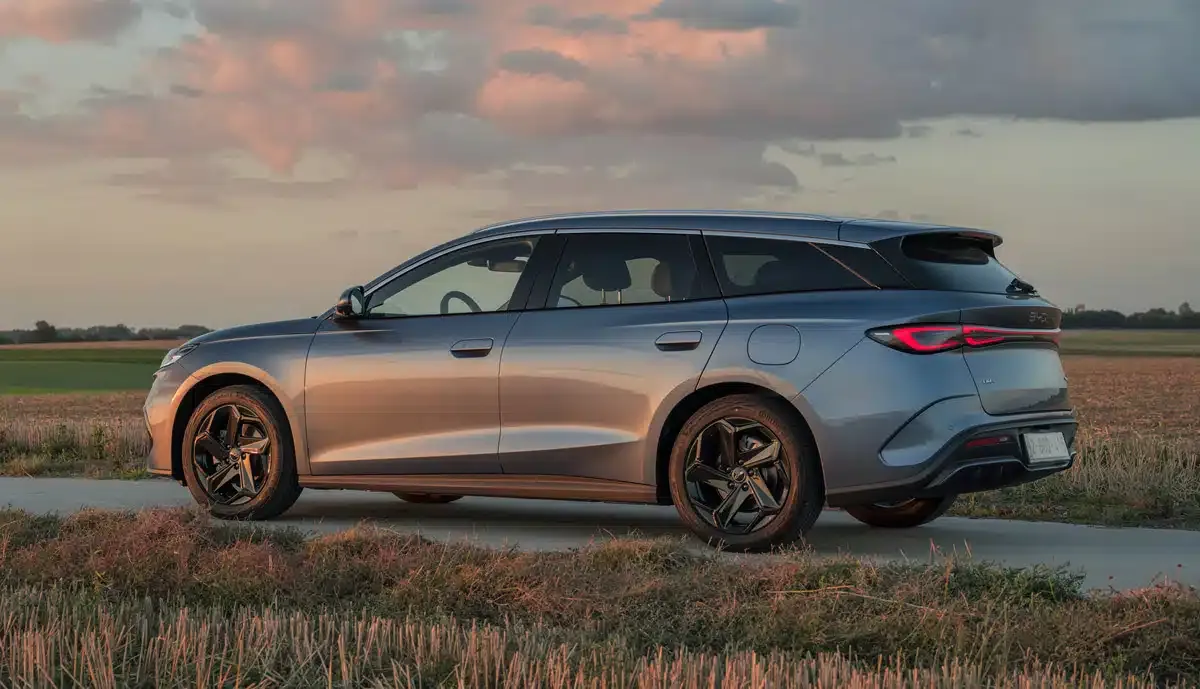
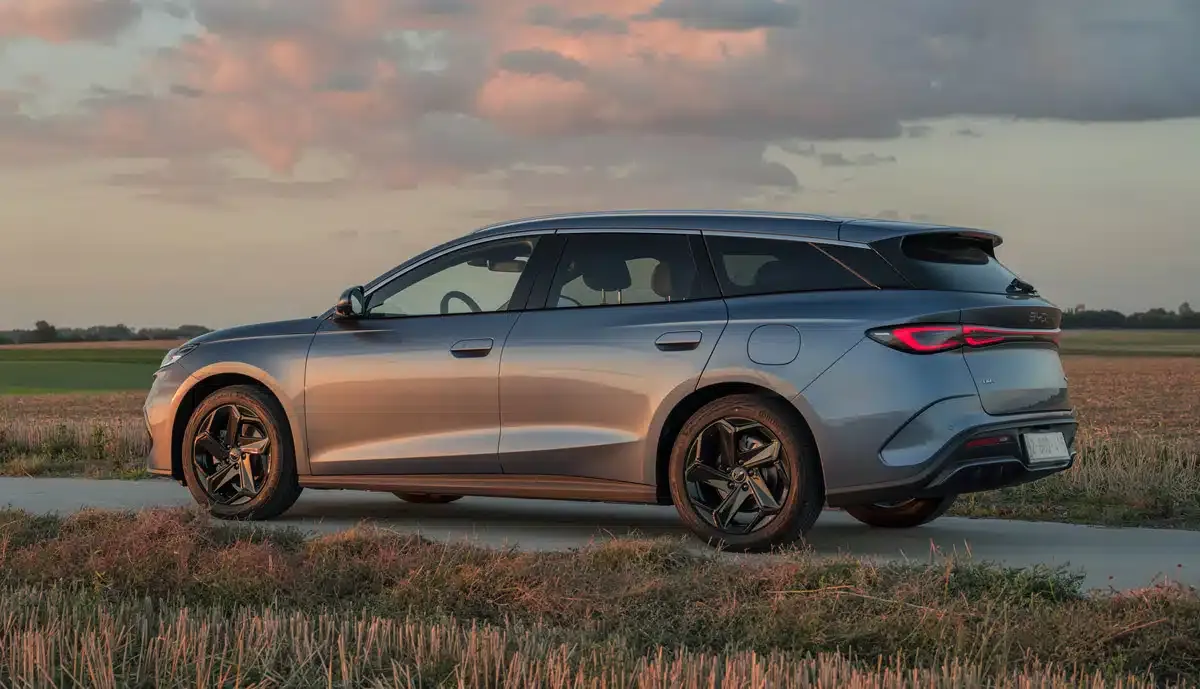
Image: BYD
According to industry expert Ferdinand Dudenhöffer, Chinese automaker BYD is intensifying price competition in Germany’s plug-in hybrid segment. In a market study by Center Automotive Research (CAR), Dudenhöffer states for ZDF that this electric vehicle giant exerts “double the price pressure,” driven by low list prices and particularly high discounts.
This competition is seen as an import of a “price war from China,” where intense discount competition prevails due to declining demand and a rapidly growing number of suppliers. In the first half of 2026, BYD sold just over one million vehicles, representing a decline of around 40 percent compared to the previous year.
In Germany, the company now holds leading positions in the sales of plug-in hybrid vehicles. In July, the manufacturer of pure electric and plug-in hybrid cars achieved a market share of 10.7 percent, placing it fourth in this segment. In May, BYD even ranked first in sales, ahead of brands such as VW, Audi, BMW, and Mercedes-Benz.
The discount structure for plug-in hybrids shows significant differences according to the analysis. While the 15 best-selling models in August offered an average discount of just under 20 percent on the list price, the discounts for the two BYD models in the ranking were 27.5 percent and 31.8 percent respectively. In comparison, the average discount for hybrids in March was still 18.2 percent.
Bundesumweltminister Carsten Schneider (SPD) recently called for tariffs on plug-in hybrids made in China, according to ZDF. He spoke of the need for a “level playing field with China, that is, fair competitive conditions.” While there are already compensatory tariffs for electric vehicles in the EU since late 2024, such tariffs do not yet exist for plug-in hybrids manufactured in China. Schneider is in favor of introducing similar tariffs.
According to CAR, discounts on electric vehicles and internal combustion engines slightly decreased in August. The average discount for the 25 best-selling electric models was 17.4 percent (0.2 percentage points less than in July). The average discount for the most popular internal combustion engines was 18.9 percent (-0.5 percentage points).
The price gap between electric cars and internal combustion engines dropped slightly to over 2,000 euros, after being 1,328 euros in December 2025. Dudenhöffer attributes this to the government’s electric vehicle purchase subsidy in effect since the beginning of the year. Automakers are using this subsidy to reduce discounts on electric vehicles.
Also interesting
About the author
Thomas Langenbucher is an expert in electromobility with professional experience in the automotive industry and finance sector. Since 2011, he has been covering electric vehicles, sustainable technologies, and mobility solutions for ecomento.de. Learn more.
Reader interactions