
BYD unveils 372-mile electric truck with 1.5MW charging at IAA
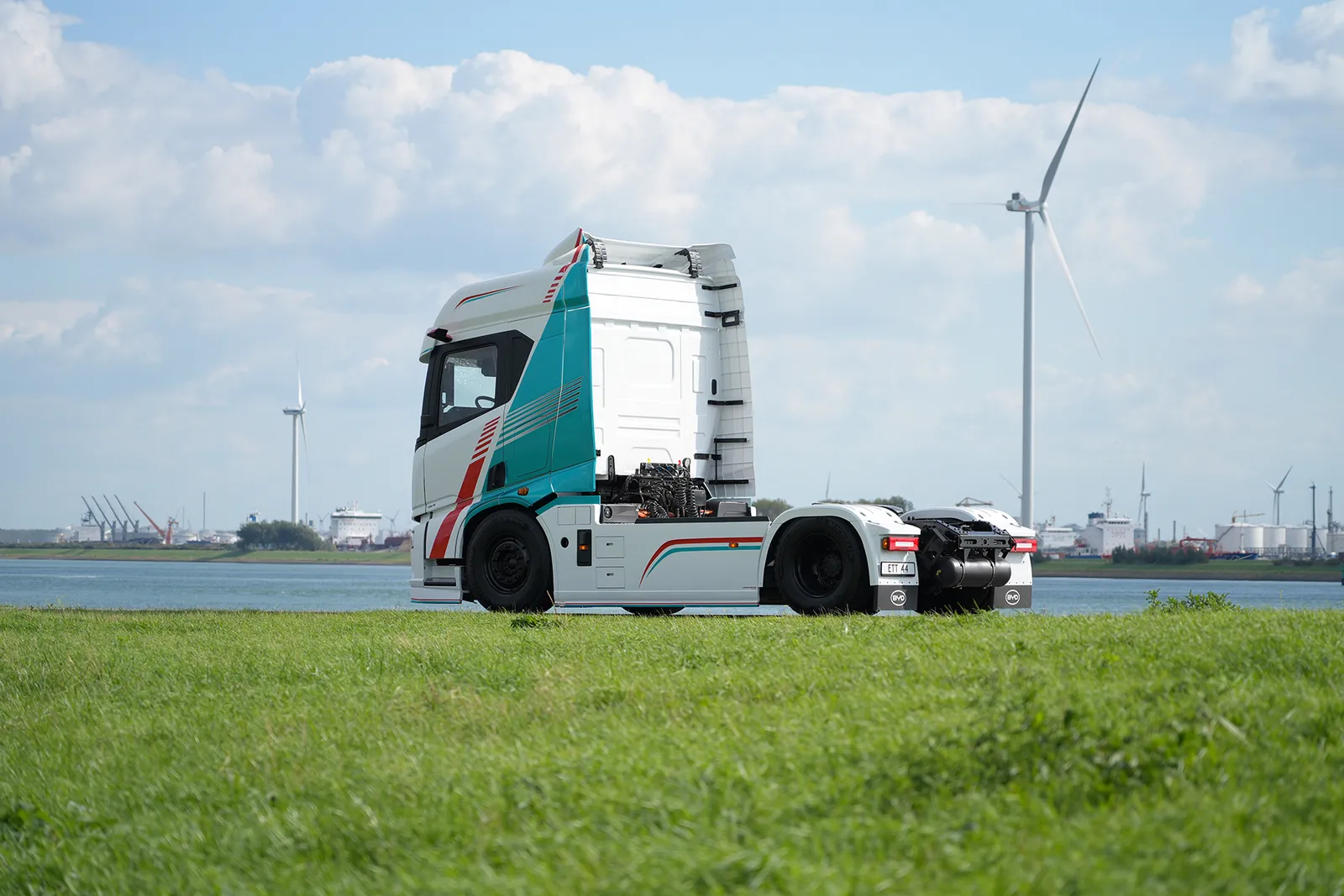
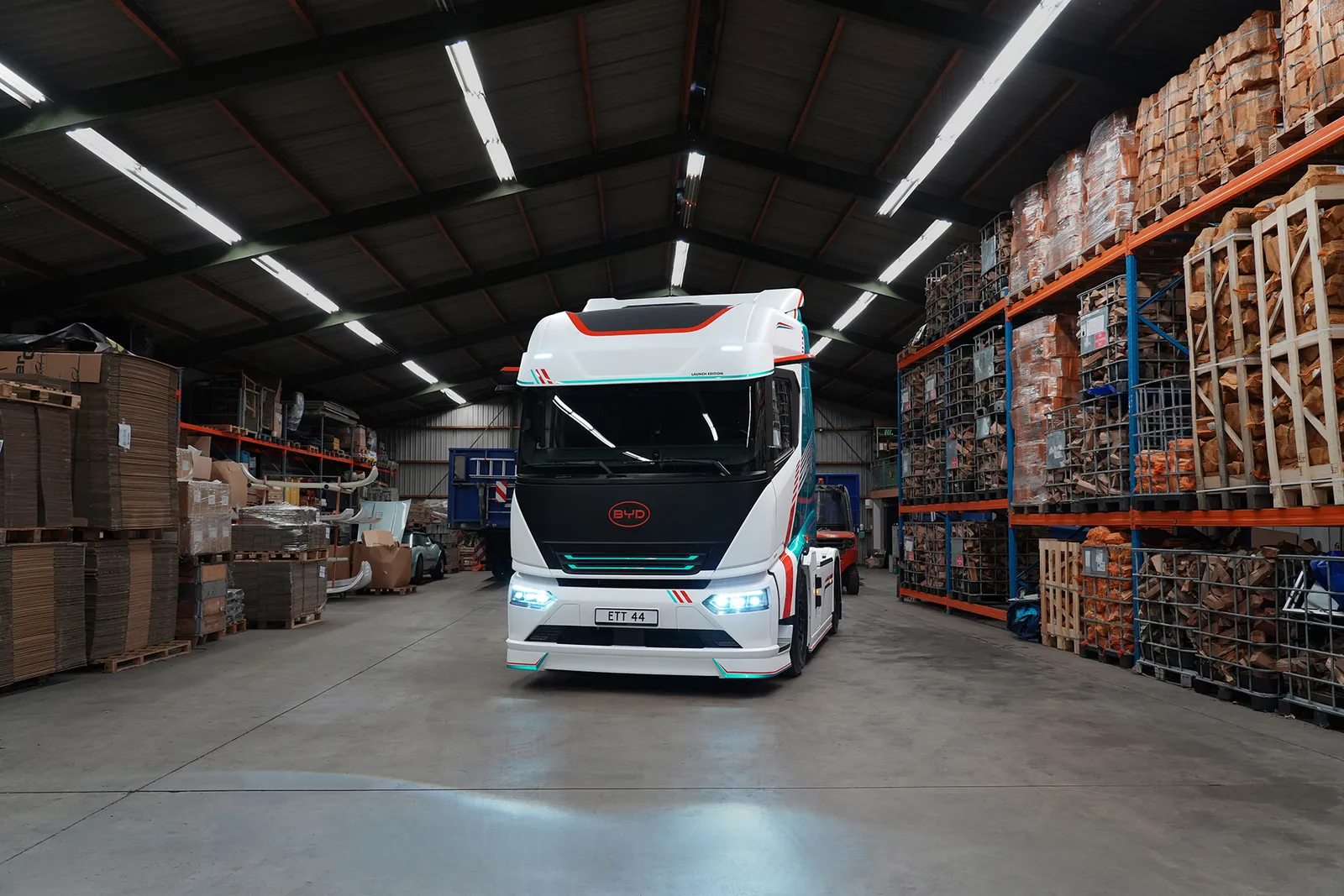
BYD has unveiled a new 44-tonne electric tractor with a claimed range of up to 372 miles and megawatt charging, leading an expanded commercial vehicle line-up aimed at European freight operators. The ETT 44 headlines a portfolio spanning urban deliveries, municipal services and long-haul logistics.
Presented at IAA Transportation 2026 in Hannover, the ETT 44 4×2 combines a 651kWh Blade Battery with up to 1,000PS of peak power. BYD says charging from 20% to 80% can take no more than 20 minutes using a suitable megawatt charger, potentially reducing the downtime associated with running electric heavy goods vehicles.
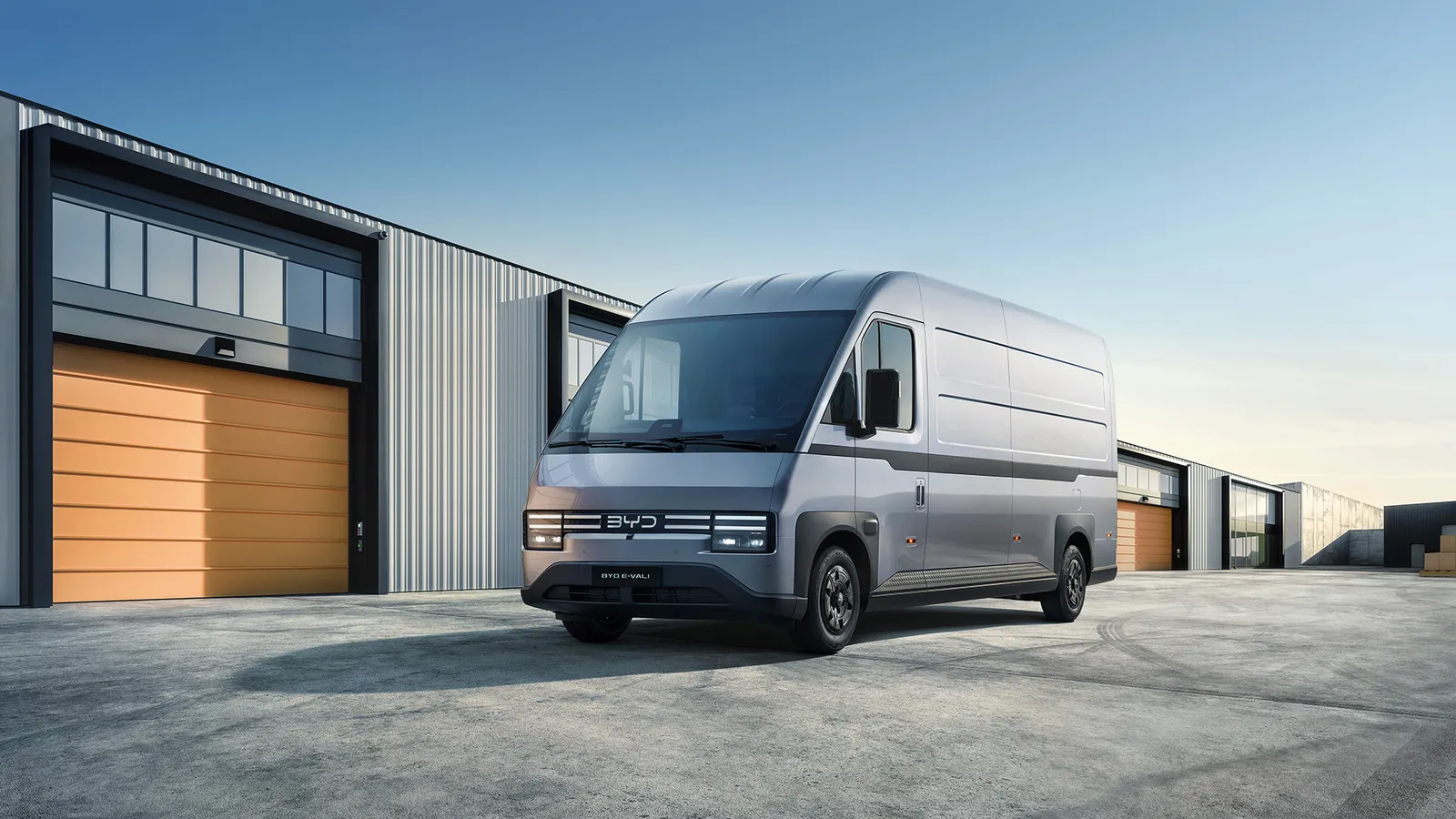
The manufacturer is also introducing rigid trucks in 4×2 and 6×2 configurations, with 26-tonne Swap Body and Hooklift versions representing the range at the exhibition. Together with its other commercial vehicles, the additions extend BYD’s European offering across weight categories from 3.5 to 44 tonnes.
However, several details remain outstanding. Although the announcement headlines a 372-mile range for the ETT 44, its accompanying specification table lists driving range as “TBC”. BYD has not provided the testing conditions behind the headline figure, while UK pricing, order availability and delivery dates are absent from the release.
The company’s pitch goes beyond selling trucks. BYD plans to combine vehicles with charging equipment, energy storage, energy management, services and financing, presenting fleet operators with a coordinated package for electrification. Its argument is that vehicle performance and the infrastructure supporting it need to be considered together.
For the ETT 44, charging capability is central to that proposition. The specification lists support for the Megawatt Charging System, or MCS, at 1.5MW or more. BYD says its FLASH Charging technology, already applied to passenger vehicles, is now being brought to commercial vehicles, beginning with trucks.
“We have already put FLASH Charging into practice in passenger vehicles. Today, we are bringing this technology to commercial vehicles, starting with our trucks,” said Stella Li, executive vice president of BYD.
“With 1.5 Megawatts of charging power, it can charge from 20% to 80% in about 20 minutes – delivering up to 248 miles of range. Less time charging. More time on the road.”
That claimed mileage gain needs qualification alongside the overall range figure. BYD does not explain the conditions underpinning its estimate of up to 248 miles added during the charging session, or how this relates to the separately advertised 372-mile maximum. Operators will need consistent, confirmed figures to assess route suitability.
The truck also supports CCS2 DC charging at up to 420kW. Using that connection, BYD quotes a 20% to 80% charging time of no more than 60 minutes. The two charging options give operators different ways to replenish the battery, although the fastest advertised turnaround requires appropriate MCS infrastructure.
BYD describes the ETT 44 as a purpose-built electric vehicle, developed around a native battery-electric platform. Its 651kWh pack uses the company’s Blade Battery technology with lithium iron phosphate chemistry, while nominal vehicle voltage is 851.2V. Rated drive power is 743PS, rising to the advertised system peak of up to 1,000PS.
The specification distinguishes between a 20,000kg gross vehicle weight for the tractor and a 44,000kg gross combination weight for the complete outfit. Kerb weight is listed at 10,950kg to 11,140kg. The announcement does not provide a corresponding payload figure for a specified tractor-and-trailer combination.
A standard battery warranty of 10 years or 1.2 million kilometres is another prominent part of BYD’s offer. The distance is equivalent to approximately 746,000 miles, giving the warranty particular relevance to operators expecting substantial mileage over the truck’s working life.
That coverage applies to the Blade Battery, rather than constituting a stated warranty for the entire vehicle. BYD has not detailed battery capacity retention thresholds or the other terms in this announcement. Those conditions will be important when operators assess how the protection fits their replacement cycles and financial planning.
The ETT 44 measures 6,400mm long, 2,530mm wide and 3,820mm high, with a 3,800mm wheelbase. It has a high-roof sleeper cab with a flat floor, providing accommodation appropriate to the longer-distance work BYD is targeting. The company says driver ergonomics were part of the platform’s development.
Inside, a 12.8-inch central display supports Apple CarPlay and Android Auto, while Fleetlink is also included in the connectivity specification. BYD has not elaborated on the fleet management functions available through that system, but connectivity forms part of its wider emphasis on coordinating vehicle operation and energy use.
The chassis features electronically controlled air suspension at both axles, aluminium wheels and a fixed two-inch fifth wheel. Top speed is quoted at 56mph, with maximum gradeability of 25% and a minimum turning radius of 7.3 metres. These figures sit alongside front and rear axle design loads of 8,500kg and 12,500kg respectively.
Driver assistance equipment includes adaptive cruise control, traffic sign recognition, intelligent speed assistance, forward collision warning and advanced emergency braking. Lane assistance and blind-spot information functions also feature. The safety specification additionally lists electronic braking and stability control, hill-hold control, direct tyre pressure monitoring and an axle load display.
Beyond the flagship tractor, the rigid truck additions broaden BYD’s intended applications. The Swap Body and Hooklift exhibits illustrate different body configurations within the expanded offering, while the wider portfolio also includes vocational vehicles and yard tractors. Detailed battery, range and charging specifications for those models are not supplied.
This breadth would allow a fleet with several types of work to consider a common supplier, although each vehicle’s suitability would still depend on its load requirements, daily mileage and access to charging.

BYD calls its approach “Total Cost of Mobility”, encompassing the vehicle, energy consumption, electricity prices, charging infrastructure, operations and financing. It says managing these elements together can reduce complexity and improve uptime, although the announcement does not provide a worked cost comparison against diesel operation.
The company is drawing on in-house capabilities across batteries, electric motors, electronic controllers and other vehicle technologies, alongside its energy storage and charging activities. Solar power also forms part of the wider energy package described by Li, linking electricity supply with the vehicles consuming it.
For fleet buyers, the practical significance of that approach will depend on how the components work together at individual depots and along planned routes. Charging power, available electricity supply and vehicle scheduling will all influence whether the ETT 44 can achieve its promised productivity in service.
BYD’s Hannover launch establishes the breadth of its European commercial vehicle ambitions, with the ETT 44 providing the headline performance and charging claims. The next details operators will need are confirmed operating range, market availability, purchase costs and infrastructure requirements, enabling them to judge how the new trucks fit their businesses.