
BYD wants three car factories and one battery factory in Europe: Spain has an advantage.
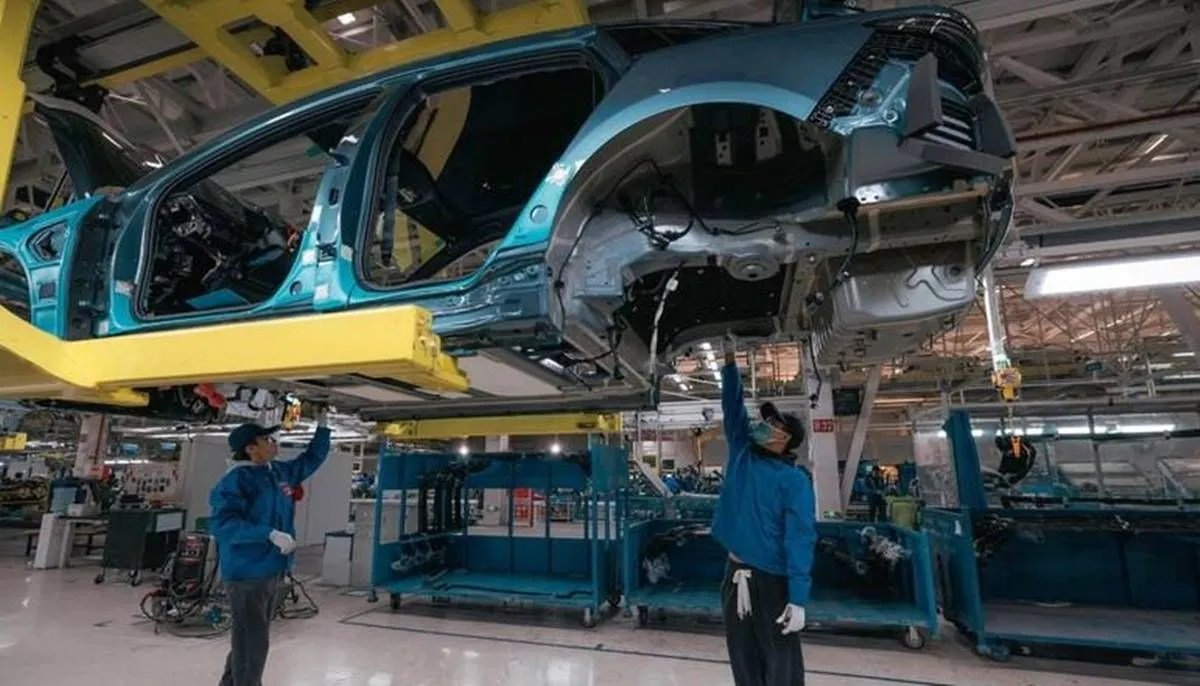
BYD is preparing for a major industrial expansion in Europe. The Chinese company believes it will need three car assembly plants and one battery factory on the continent in the long term to support growth in sales and meet future local manufacturing requirements set by the European Union. This was stated by Alfredo Altavilla, BYD’s European advisor and former executive at Fiat Chrysler.
This move represents a significant scale shift for BYD, which until relatively recently focused much of its European strategy on importing cars from China. The brand is already advancing with its first passenger car factory in Hungary and now aims to accelerate the search for new facilities to increase local production. The second European factory could be located in Spain or France, two of the countries currently offering the most options.
BYD intends to make a decision regarding this second plant by the end of 2026. Rather than building a completely new factory, the company is primarily considering purchasing an existing industrial facility and adapting it to its needs—a approach that would help shorten the time required to start production. Altavilla has indicated that Spain and France are the preferred options, while Italy remains an alternative on the table.
It seems that Italy has indeed fallen behind its two competitors. Altavilla himself described it as a backup option, as BYD is seeking the most competitive conditions and believes there are currently more opportunities to acquire an underutilized factory in Spain or France. The company is also in talks with European manufacturers and various governments to explore potential facilities that could be put back into use.
BYD needs to produce more cars outside China
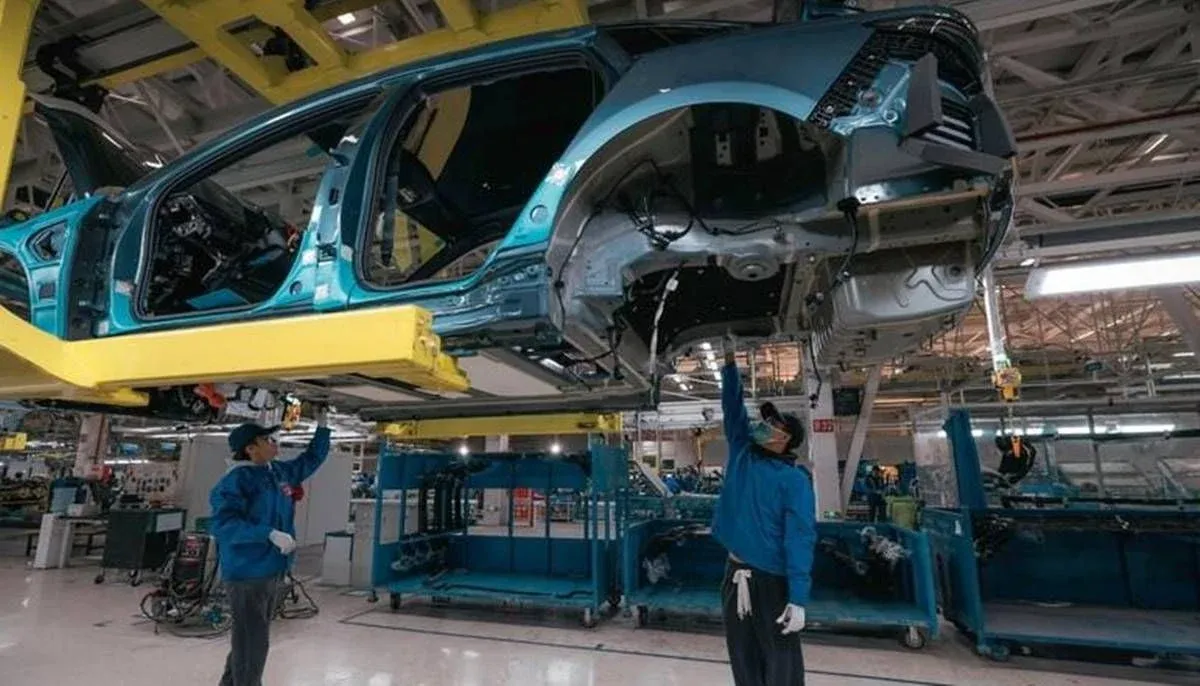
BYD’s European industrial strategy is not solely driven by capacity considerations. Local manufacturing is becoming increasingly crucial for Chinese manufacturers seeking to expand in Europe, especially given the tariffs imposed by the European Union on electric cars produced in China and future requirements regarding the origin of components. The European Commission currently maintains countervailing duties on imports of electric cars from China, with rates reaching up to 35.3% depending on the manufacturer.
In this scenario, manufacturing within Europe allows BYD to reduce its exposure to trade measures applied to cars produced in China. Additionally, the company is trying to stay ahead of potential future local content rules that might require a portion of the components used in cars sold in Europe to come from the European Union itself. Reuters reports that such regulations are expected by 2027.
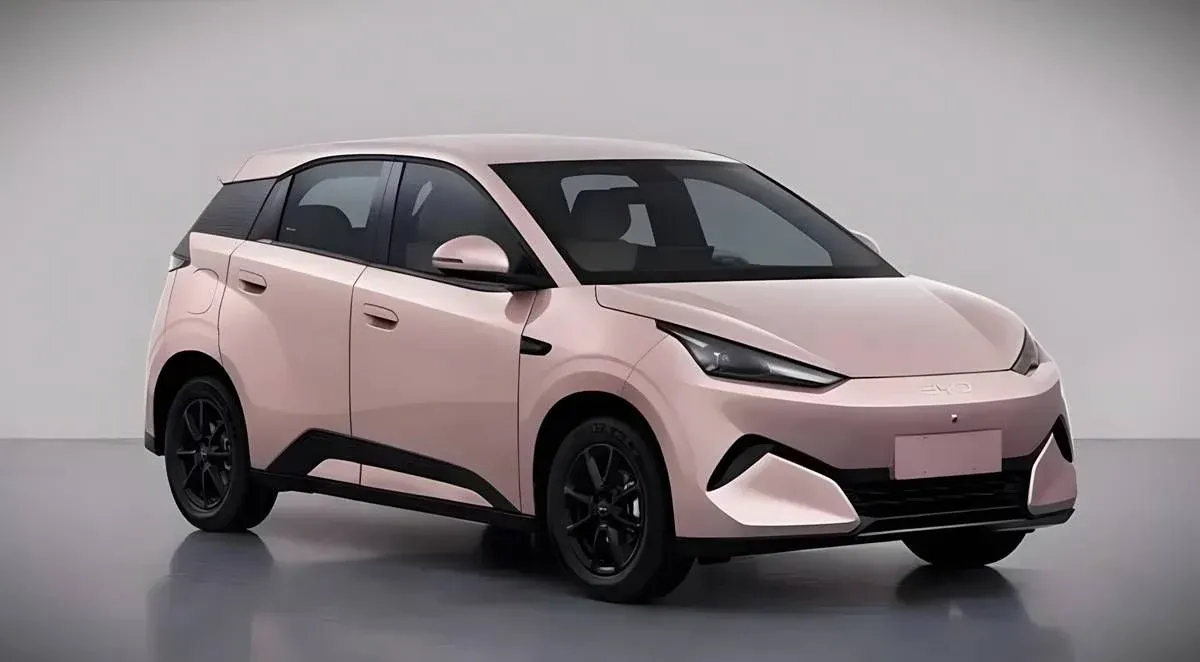
The first major component of this strategy is the factory in Szeged, Hungary. BYD announced the project in 2023 as its first European sedan factory and later confirmed that the Dolphin Surf would be one of the models produced there. The company has also been building an industrial and research network in Hungary, where it maintains its future European headquarters in Budapest and a research and development center.
BYD’s international expansion accounts for much of this need to boost production capacity outside China. In the first eight months of 2026, the company sold 1,162,260 vehicles in foreign markets, an 85.72% increase from the same period last year. In August alone, it sold 189,466 units overseas, a 134.45% rise, which accounted for 43.03% of its total sales that month.
The company has also raised its international targets. According to data from Deutsche Bank, BYD expects to sell between 1.9 and 2 million vehicles outside China by the end of 2026, with a goal of exceeding 2.5 million units by 2027. These targets cover all international markets, not just Europe.
Meanwhile, BYD is expanding its presence in Europe beyond its own brand. Denza, its premium-focused subsidiary, is accelerating its entry into Europe with new sales outlets and models such as the Z9GT and D9 DM-i. The opening of new retail spaces in Turin and Paris is another sign that the group intends to increase its footprint on the continent, rather than limiting it to BYD’s electric vehicles.
In the long term, therefore, the goal is much more ambitious than having just one factory in Hungary. BYD plans to establish three car production centers and a battery factory in Europe, an infrastructure that would enable it to keep up with rising sales through increased local manufacturing and reduce the impact of trade barriers. The selection site for the second factory, with Spain and France being the main contenders, will be the next key step in this expansion.