
BYD aims to take battery cooling to the next level: its new patent immerses them directly in liquid
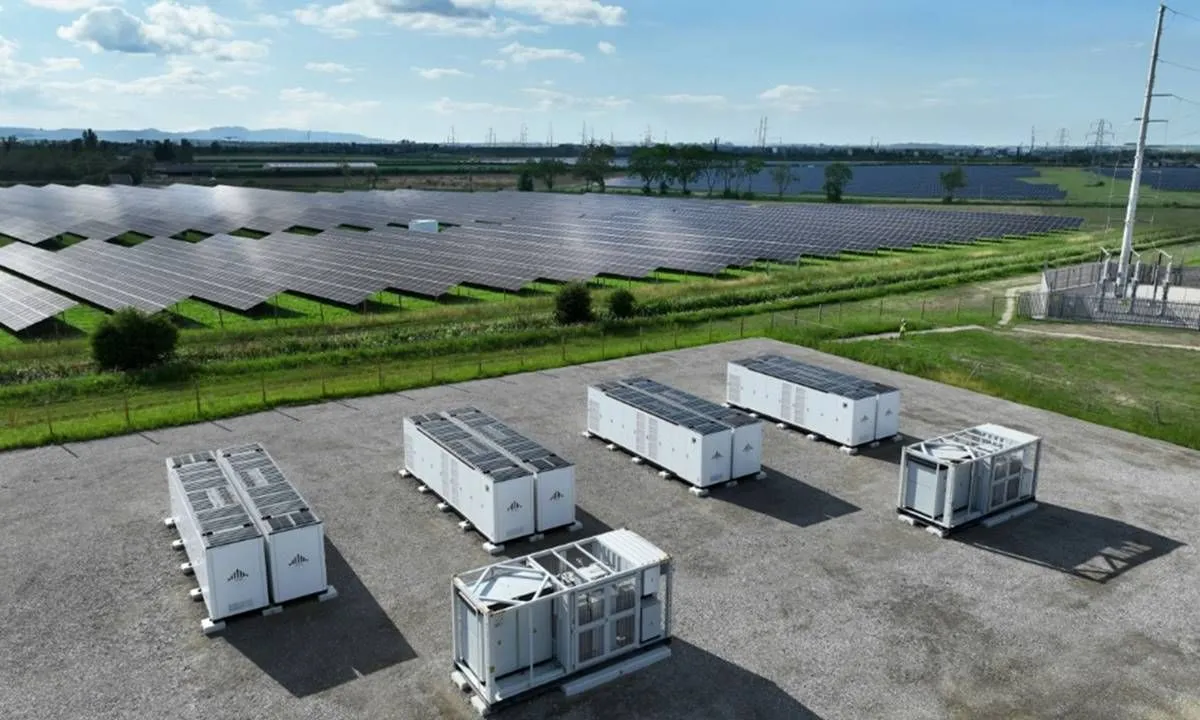
BYD continues to explore new ways of managing the temperature of its energy storage systems, and one of its latest patents proposes a solution that is far more radical than the liquid cooling systems currently in use. The Chinese company has filed a design in which battery modules are directly surrounded by a coolant fluid, while the electronics remain isolated in a dry area.
This is a patent application for a stationary storage system, but it’s interesting because it shows how far the pursuit of solutions to control battery temperature can go, while simultaneously addressing one of the major challenges of this technology: sealing.
The application was filed in China at the beginning of this October. The document describes a cabinet divided into two separate compartments, one for electrical components and another containing battery modules in direct contact with the coolant liquid.
BYD takes immersion cooling a step further
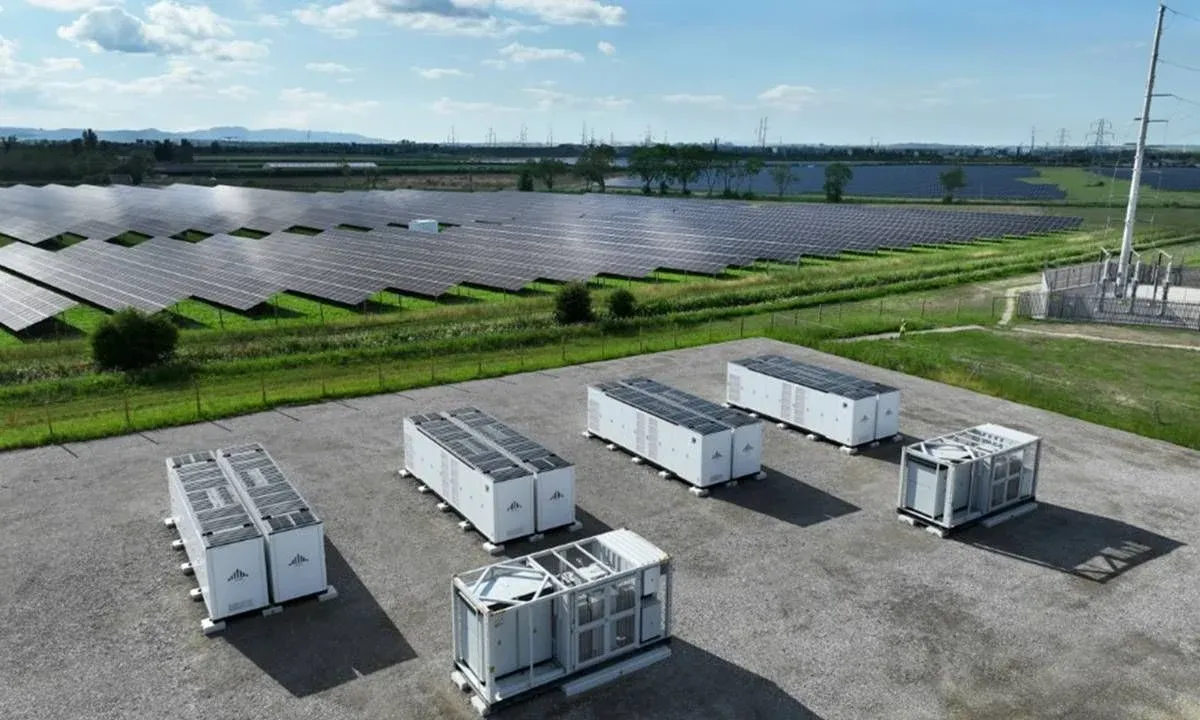
Most current liquid cooling systems do not allow the coolant to come into direct contact with the cells. The liquid circulates through circuits and metal plates located next to the modules, so that the heat generated by the battery is first transferred to these surfaces and then to the coolant. This approach enables fairly precise temperature control without introducing liquid into the area where electrical connections are located.
BYD’s patent proposes a different concept. The battery modules would be submerged directly in a non-conductive coolant, allowing the liquid to come into contact with them and extract heat more directly. The patent documentation itself explains that the system uses a coolant that comes into direct contact with the battery module.
The obvious advantage is that it reduces the distance heat must travel before reaching the coolant. But this solution introduces another problem: if the batteries are surrounded by liquid, it’s necessary to ensure that the liquid doesn’t end up reaching the electrical connections, control electronics, or the outside of the enclosure.
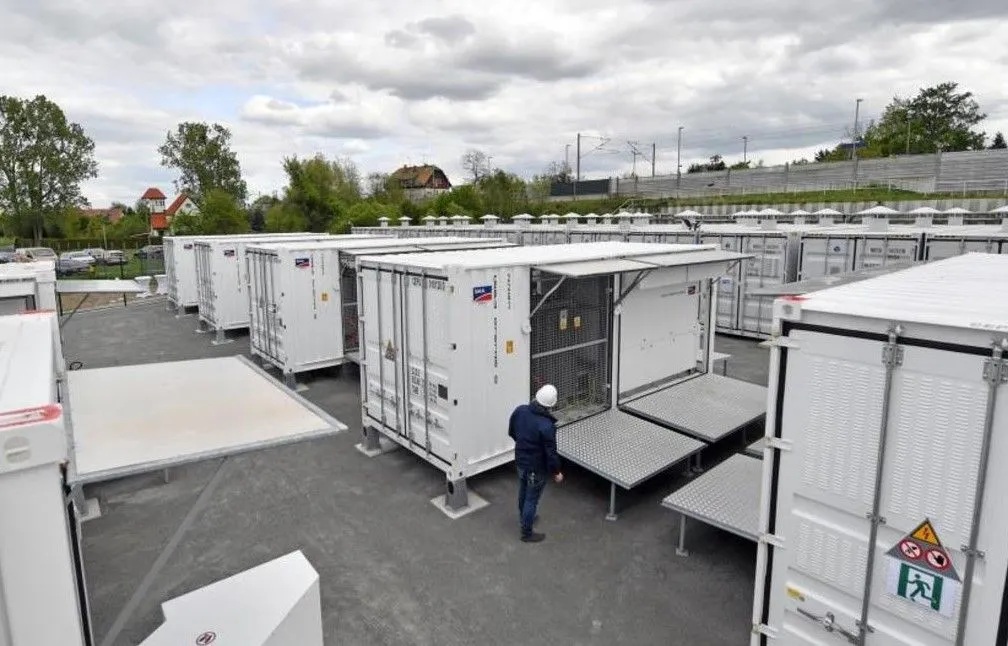
And that’s precisely where one of the most interesting aspects of BYD’s proposal lies. The company doesn’t simply place the batteries inside a tank filled with liquid; instead, it proposes physically separating the wet area from the dry area to keep the electrical components protected.
The cabinet is divided into two chambers. The lower chamber contains the battery modules surrounded by the coolant, while the upper chamber holds the electrical components. The connections between the two areas must cross this boundary without creating a weak point through which liquid could leak out.
The proposed solution involves running cables from the chamber where the modules are submerged to the dry chamber through the upper part of the liquid area. In this way, the point where the connections emerge is kept away from the bottom of the tank, reducing the likelihood that it will be directly exposed to the liquid. The patent specifies that this arrangement aims to decrease the risk of leaks and improve the sealing integrity of the connections.
The location also matters from a pressure perspective. The greater the depth of a liquid, the higher the pressure it exerts on the walls and sealing points. Therefore, placing the connections in a higher position helps reduce the stress on the sealing area.
The concept is particularly interesting because it solves a problem that arises exactly when immersion cooling is used. It’s not enough to use a liquid that isn’t an electrical conductor: the container, seals, and all areas through which cables and connections must pass also need to be carefully designed.
BYD already uses advanced thermal management systems in its current products, although the architecture of this patent is different. The company employs its Blade Battery technology in storage systems and its electric vehicles, while other manufacturers like CATL also rely on various liquid cooling solutions to control the temperature of their batteries.
In conventional systems, the refrigerant remains within a well-defined circuit and does not come into direct contact with the cells. The proposal outlined in CN 122868832 A reverses this relationship: the refrigerant now directly surrounds the battery modules, while the electronics are placed in a separate compartment.
BYD’s document also includes various components within the dry area, such as electronic elements and cooling-related systems. Everything is integrated into a cabinet that can be part of an energy storage installation.
