
BYD is preparing a massive fleet to conquer Europe: it will order 10 ships, each capable of carrying 9,200 cars.
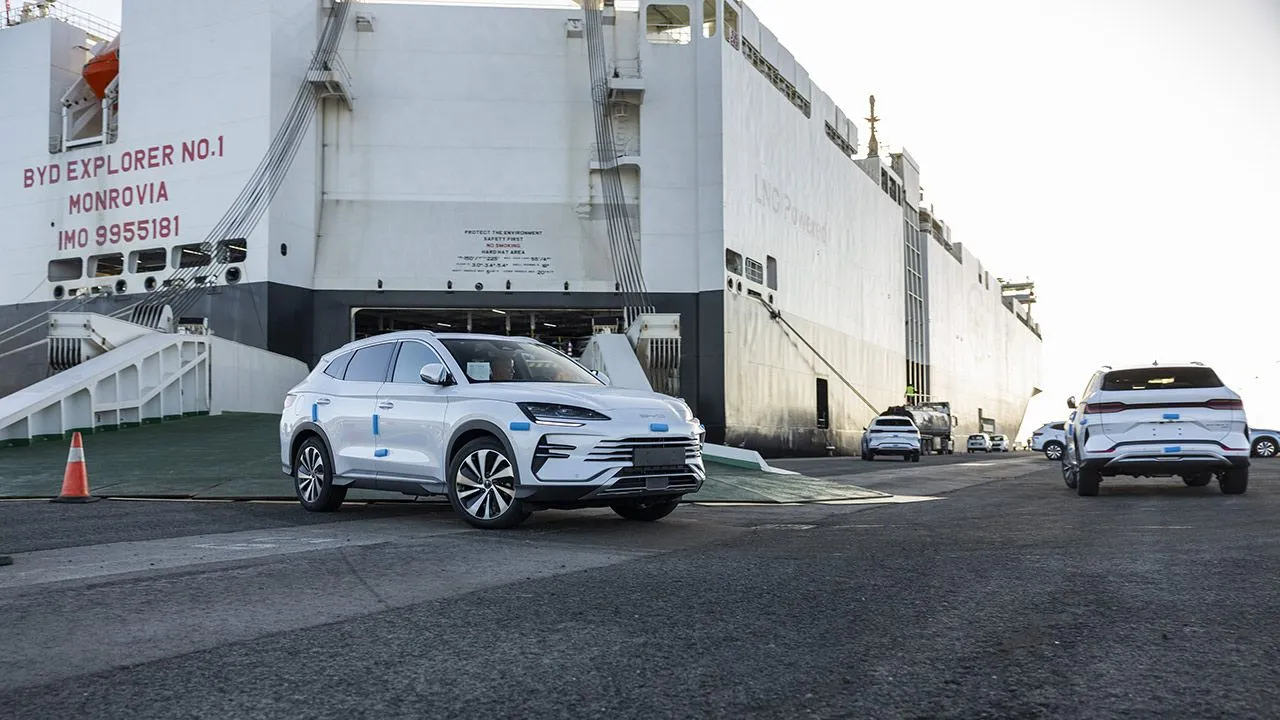
BYD is accelerating its international expansion, including through sea transport. The Chinese company has reportedly ordered another 10 large ships for vehicle shipping, which would raise its fleet size to 18 vessels and reinforce the manufacturer’s strategy to increase exports in the coming years, particularly to markets such as Europe.
According to several publications specializing in maritime transport, BYD has ordered these 10 new ships, each capable of carrying up to 9,200 equivalent units of vehicles (CEU). Together, they would provide an additional 92,000 CEU of shipping capacity. This move would enable BYD to have a fleet of 18 ships with a combined capacity exceeding 130,000 CEU.
The new ships will be built by China Merchants Industry at its shipyards in Jinling and Haimen, China, with deliveries expected between 2027 and 2029. The contract value has not been disclosed yet, nor has there been any public confirmation from BYD or the shipbuilder regarding this new order, so the news should still be considered industry speculation.
This development is particularly significant because BYD has already established its own infrastructure in a very short time to manage an increasingly larger portion of its export logistics. The company began adding ships to its fleet in 2024 and completed its first batch of eight vessels in September 2025, when the BYD Jinan entered service.
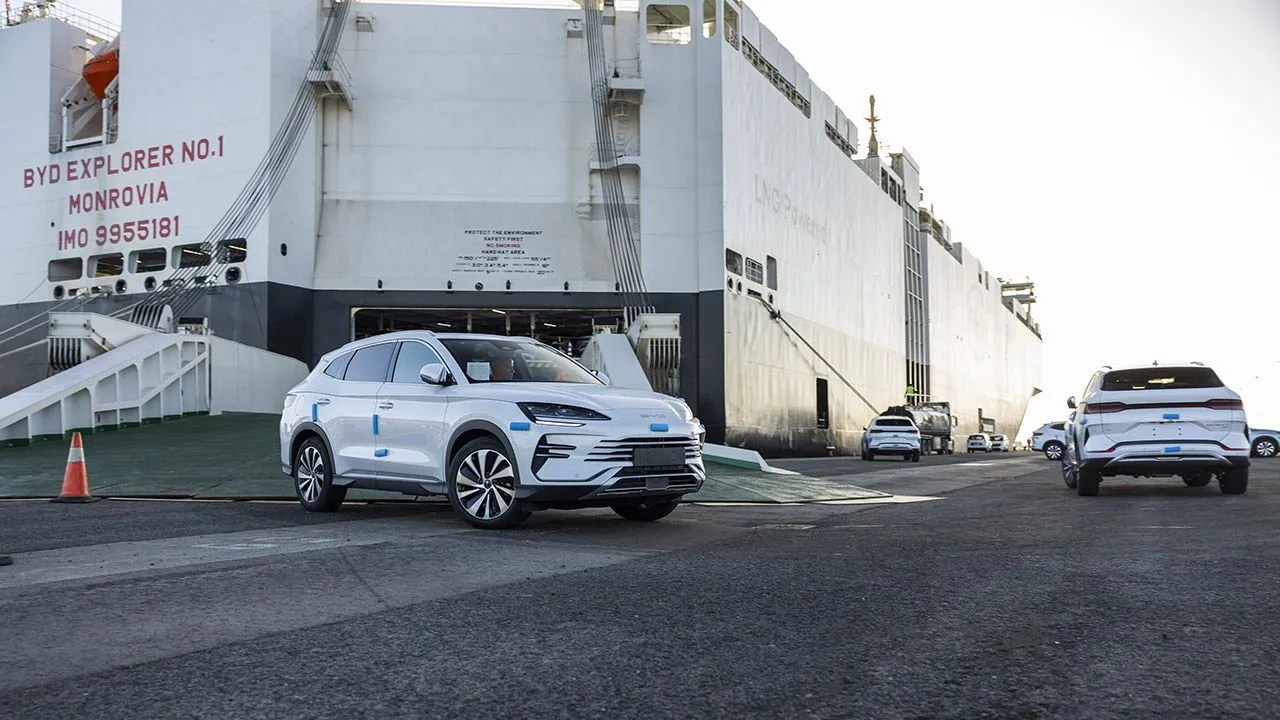
The ships already part of this fleet include Explorer No.1, BYD Hefei, BYD Changzhou, BYD Shenzhen, BYD Xi'an, BYD Changsha, and BYD Zhengzhou. These are large vessels specialized in vehicle transportation that allow cars to be loaded directly onto their various decks, without the need for containers.
Some of the vessels can carry around 7,200 vehicle equivalents, while the larger models reach up to 9,200 units. The BYD Shenzhen, for example, has a length of 219.9 meters, a beam of 37.7 meters, and 16 decks, and can transport up to 9,200 vehicles. It also uses a dual-fuel propulsion system based on liquefied natural gas and conventional fuel, along with systems designed to reduce its consumption and emissions.
The expansion of this fleet is no small matter. According to estimates cited by industry publications, the initial eight ships allowed BYD to have a potential export capacity of around 1 million cars per year. With an additional 10 ships, that capacity could rise to approximately 2.5 million cars per year if similar utilization levels are maintained.
This does not mean that BYD will necessarily export 2.5 million cars each year, nor that all of them will go to Europe. The capacity of the ships is measured in equivalent units and depends on factors such as vehicle size, routes, loading and unloading times, and the actual utilization of the fleet. But it does show just how much the Chinese manufacturer is preparing its infrastructure to sell many more cars outside its domestic market.
Europe emerges as one of the particularly important destinations under this strategy. BYD is facing an increasingly competitive Chinese market, while its international sales are growing much more rapidly. Therefore, the manufacturer needs to expand its presence outside China and have a logistics system that enables it to do so on a large scale.
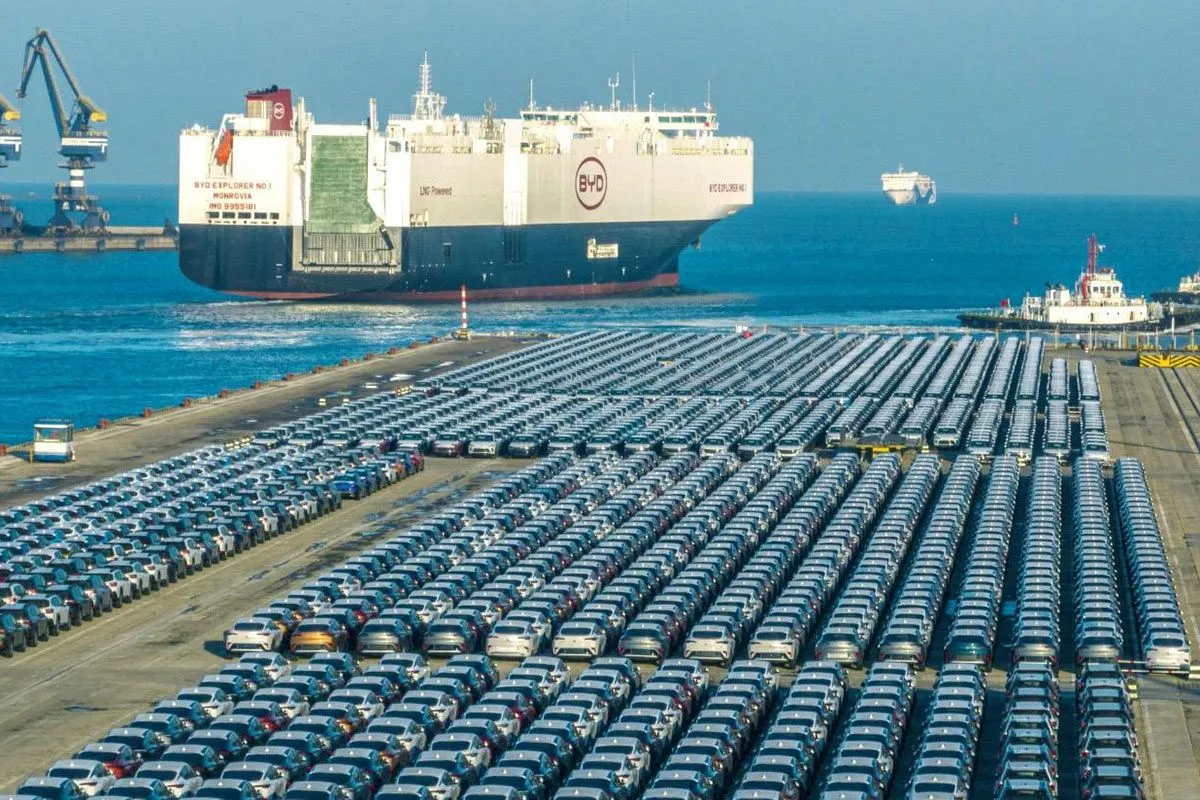
The company is already using its ships to transport cars manufactured outside China. In September 2025, the BYD Zhengzhou carried right-hand drive vehicles produced at the company’s factory in Thailand to the United Kingdom. It was BYD’s first car export from that plant to the British market.
Manufacturing in other countries can also be important for BYD when entering the European market. Electric cars produced in China are subject to an additional 17% compensatory tariff in the European Union for BYD, on top of the standard 10% tariff. Producing certain models outside China allows the company to reduce its exposure to these measures, although the origin of each vehicle and the applicable rules depend on where it is manufactured.
The focus on exports is already showing in the figures. According to data from the China Association of Automobile Manufacturers, BYD exported around 184,000 passenger vehicles from China in August, representing a 131% increase compared to the same month last year and a 6% rise from July. This figure accounts for approximately 35.4% of China’s exports of new energy vehicles, a category that includes both electric cars and plug-in hybrids.
From January to August, BYD’s exports from China totaled around 1.127 million vehicles, an 88% increase from the same period in 2025. This international growth contrasts with its sales performance within China, where fierce competition among manufacturers is putting increasing pressure on the brands.
In fact, the Chinese manufacturer sold around 1.15 million BYD vehicles in its domestic market during the first eight months of the year, which is 43% less than in the same period of 2025 according to data from the original source. Domestic sales for the brand also saw a significant year-on-year decline in August.
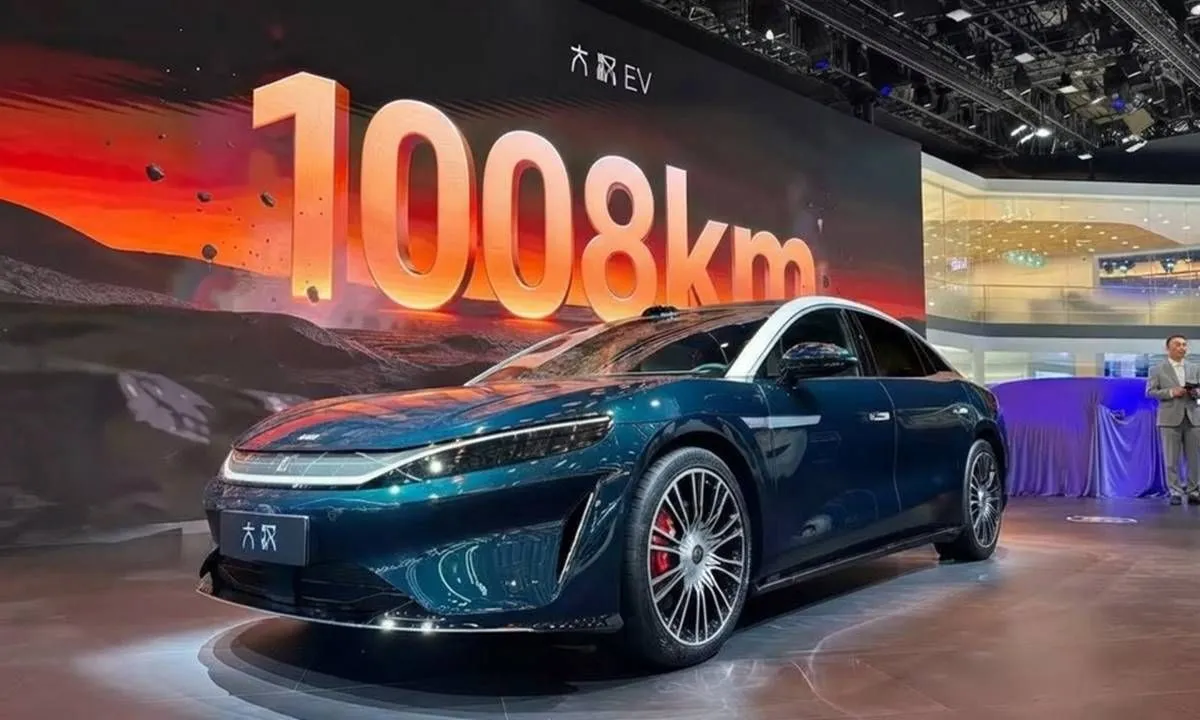
The situation largely explains why Chinese manufacturers are turning their attention overseas more and more. The domestic market remains huge, but it is also one of the most competitive in the world, with price wars and an increasing supply of electric and plug-in hybrid cars. For BYD, growing internationally is no longer just an opportunity—it is becoming an increasingly important part of its strategy.
Building its own large fleet of ships fits perfectly into this scenario. BYD is not only increasing its capacity to manufacture cars but also to ship them out of China and directly to other markets. This gives it greater control over a segment of the logistics chain that until recently relied heavily on external companies.
Europe will be one of the battlefields for this expansion. BYD is expanding its commercial presence in countries like Spain, where it has already secured a prominent position among electric vehicle manufacturers and broadened its offerings with electric and plug-in hybrid models. As new models arrive and its international production increases, having a fleet capable of transporting hundreds of thousands of cars will become increasingly important.
The paradox is that BYD is building this maritime capacity precisely at a time when Europe is trying to reduce its reliance on imported cars manufactured in China. The manufacturer’s response seems clear: invest more in production, logistics, and international markets so that trade barriers do not hinder its global expansion.
The 10 new ships, if the order is ultimately confirmed, are not in themselves a guarantee that BYD will sell 2.5 million cars abroad each year. But they are a fairly clear indication of where the company is directing its investments. As its domestic sales face increasing pressure, the company is building an export infrastructure of growing scale.