
BYD sets a date for its solid-state batteries, which will arrive earlier than expected
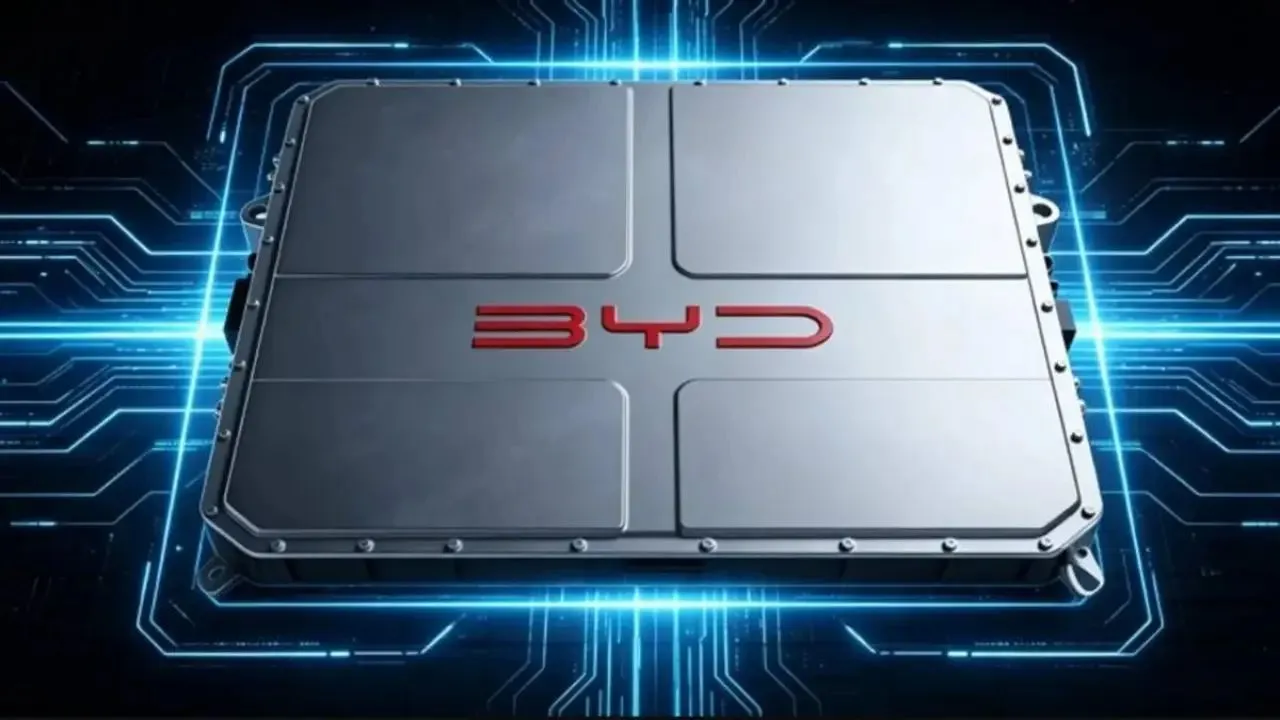
BYD is currently the world’s second-largest battery manufacturer after CATL. Although the Chinese company has made LFP (lithium-iron-phosphate) chemistry its flagship, that doesn’t mean it isn’t working on other technologies. The company has been investing in sodium batteries as well as solid-state batteries for some time now. Solid-state batteries will appear in its vehicles sooner than expected.
Stella Li, BYD’s executive vice president, confirmed in an interview that the company will launch its first vehicle equipped with this type of battery next year, though it won’t be a commercial release. Therefore, large-scale production is likely to take a few more years, although no specific timeline has been given yet.
It is known that BYD is developing solid electrolytes from sulfides. The first prototypes achieve an energy density of around 400 Wh/kg at the cell level; however, several challenges still need to be overcome before moving from the laboratory to mass production, as this is a completely new technology that will require the establishment of new manufacturing methods.
According to Sun Huajun, technology director at FinDreams Battery (a BYD subsidiary), their solid-state batteries will begin testing next year with an initial fleet of about 1,000 vehicles. Mass production is likely to wait until the end of this decade or the beginning of the next, with these batteries probably being used in high-end models first.
Next year, BYD will launch a small test fleet to evaluate its solid-state batteries
Therefore, the premium and luxury brands under the conglomerate (Denza, Fang Cheng Bao, and Yangwang) are likely to be the first to receive its solid electrolyte batteries. This is exactly the strategy Toyota will follow, as it appears these batteries will initially be used in the luxury supercar Lexus LFA due to its low production volume and high price.
BYD’s chief scientist, Lian Yubo, states that the introduction of solid electrolyte batteries will not lead to the immediate disappearance of liquid electrolyte batteries, but rather both types could coexist for 15-20 years. This is similar to what CATL estimates will happen with solid-state batteries, which will not replace lithium batteries but rather complement them.
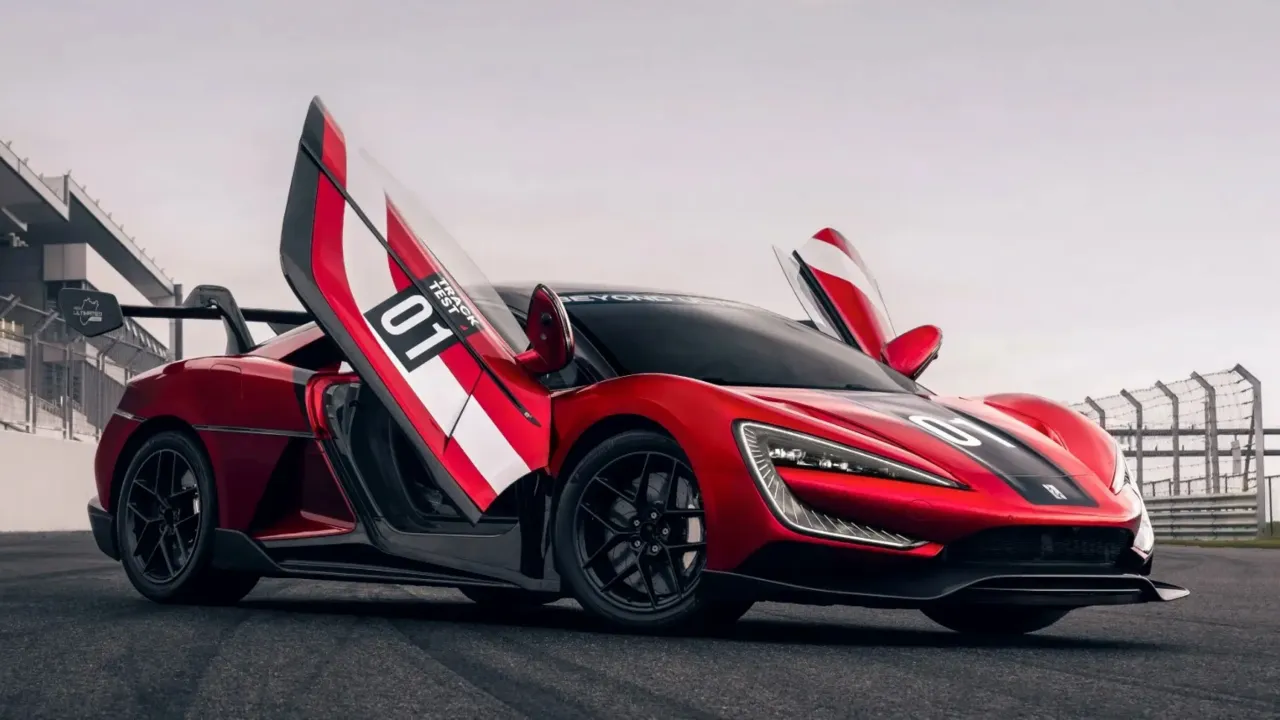
"I assure you that any battery technology exists somewhere in BYD’s R&D department; we are studying it," says Stella Li. "When it comes to solid-state batteries, BYD is at the forefront; we lead in both commercialization and technology. To prove this, next year we will launch a model that will be the first to feature this technology."
Source | CarNewsChina