
BYD already accounts for 53% of its revenue outside China. Sales in the domestic market are down by 46%, while overseas sales are setting new records.
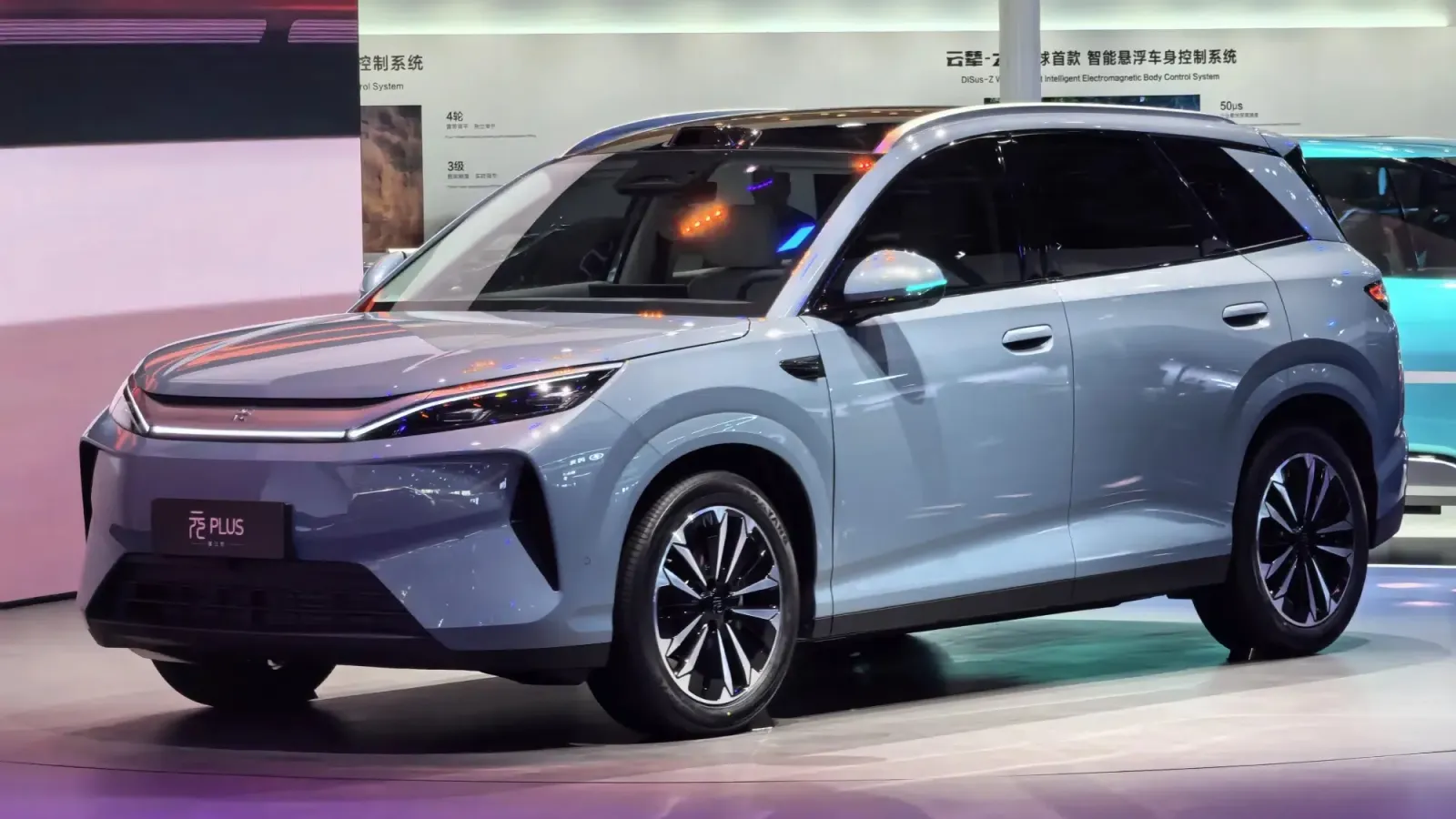
BYD earned more outside China for the first time than in its home market. In the first half of 2026, 53% of the group’s revenue, or 181.3 billion yuan, came from overseas markets. This is a strong indication that the company’s focus is shifting from China to Europe, Brazil, and the rest of the world.
Table of Contents
Show
Hide
Meanwhile, things are getting tough in China. Registrations for BYD’s main brand dropped by 45.9% year-on-year in the first half of the year, and price wars continued to erode profits across the industry.
Exports Drive BYD More Than the Chinese Market
The numbers make this clear. In the first half of 2026, BYD had revenue of 344.8 billion yuan, which was 7.1% less than the previous year. Net profit for shareholders fell to 12.3 billion yuan, a decrease of 20.5% year-on-year.
The most interesting aspect, however, is something else. Despite a decline in revenue and profit, the group’s gross margin increased from 18.01% to 18.85%. The reason is simple: overseas operations are more profitable than those in China. The gross margin for operations outside China reached 22%, which is 1.9 percentage points higher than the previous year.
This shows that BYD is not only exporting more cars but also doing so under more favorable conditions. In China, prices must be cut, while abroad, cars can be sold at higher prices. For a manufacturer, this is a fundamental difference, even if marketing focuses mainly on volume.
In the first half of 2026 alone, BYD sold 792,256 cars outside China, a 70.6% increase from the previous year. The pace accelerated further in August: overseas sales reached around 190,000 cars, representing a year-on-year increase of 134-135% and setting a new monthly record.
If we look at a broader perspective, the scale of change becomes even clearer:
Year
Total Sales
Overseas Sales
2022
1 857 379
50 021
2023
3 012 906
242 765
2024
4 250 370
417 204
2025
4 550 036
1 046 083
2026 I-VIII
2 621 777
1 161 563
Just eight months into 2026, BYD has already surpassed the entire overseas sales figure for 2025. This isn’t just a superficial change—it’s a shift in business model.
A destructive war is underway in China, and BYD has been hit by its own strength
BYD’s problems in China aren’t due to just one weak quarter. The company’s main brand registered 795 169 vehicles in China during the first half of 2026, a 45.9% decline year-on-year. Revenue from China dropped by 31%.
A portion of the group is still growing. Fang Cheng Bao added around 131,000 registrations in China during the first half of the year, representing a 115% year-on-year increase. However, this is still not enough to fill the gap left by the flagship brand.
BYD’s problems in China hit precisely where the company has been very strong for years, namely in plug-in hybrids. In 2025, the group sold 2,288,709 PHEVs, 7.9% fewer than in 2024. The decline deepened in 2026: from January to August, BYD sold 1,265,017 plug-in hybrids, a 11.2% drop year-on-year.
This is important because not long ago, PHEVs were BYD’s tool for generating volume. Today, this advantage is clearly weakening. The overall market situation also plays a role: according to CPCA, retail sales of passenger cars in China dropped by 21.1% year-on-year in July, marking the tenth consecutive month of decline.
Meanwhile, China’s export of passenger cars rose by 88.2%. This shows why practically every major Chinese automaker wants to become a global brand today. The domestic market is crowded and competitive with price wars, while it’s still possible to operate more freely abroad.
In short: BYD is no longer operating on autopilot in China. Survival is at stake there, even for a giant like them.
The second half of the year started better thanks to BEVs
After a weak first half, there was a rebound. In July and August 2026, BYD sold 844,456 cars globally, which is 18.5% more than the previous year.
The most important factor is however the shift in the sales structure. During this period, battery electric vehicle sales increased by 29.6% year-on-year, while PHEV sales grew only by 6%. This appears to be a trend shift rather than a one-time spike.
August was particularly strong. BYD sold 433,384 passenger vehicles, a 16.7% increase year-on-year. Of these, 188,746 vehicles were exported. In other words, exports accounted for over 40% of the brand’s and group’s monthly passenger vehicle sales.
In August alone, BYD delivered 256,230 BEVs and 177,154 PHEVs. The advantage of electric vehicles over hybrids has been growing since May, when BEVs surpassed PHEVs in monthly sales for the first time. After eight months of 2026, BYD already has 1,356,814 BEVs and 1,265,017 PHEVs.
This is the most interesting aspect of the whole picture for me. A company that has long relied primarily on plug-in hybrids is now starting to focus more heavily on all-electric vehicles again. On paper, this sounds good. The question is whether they can maintain this pace without further price cuts.
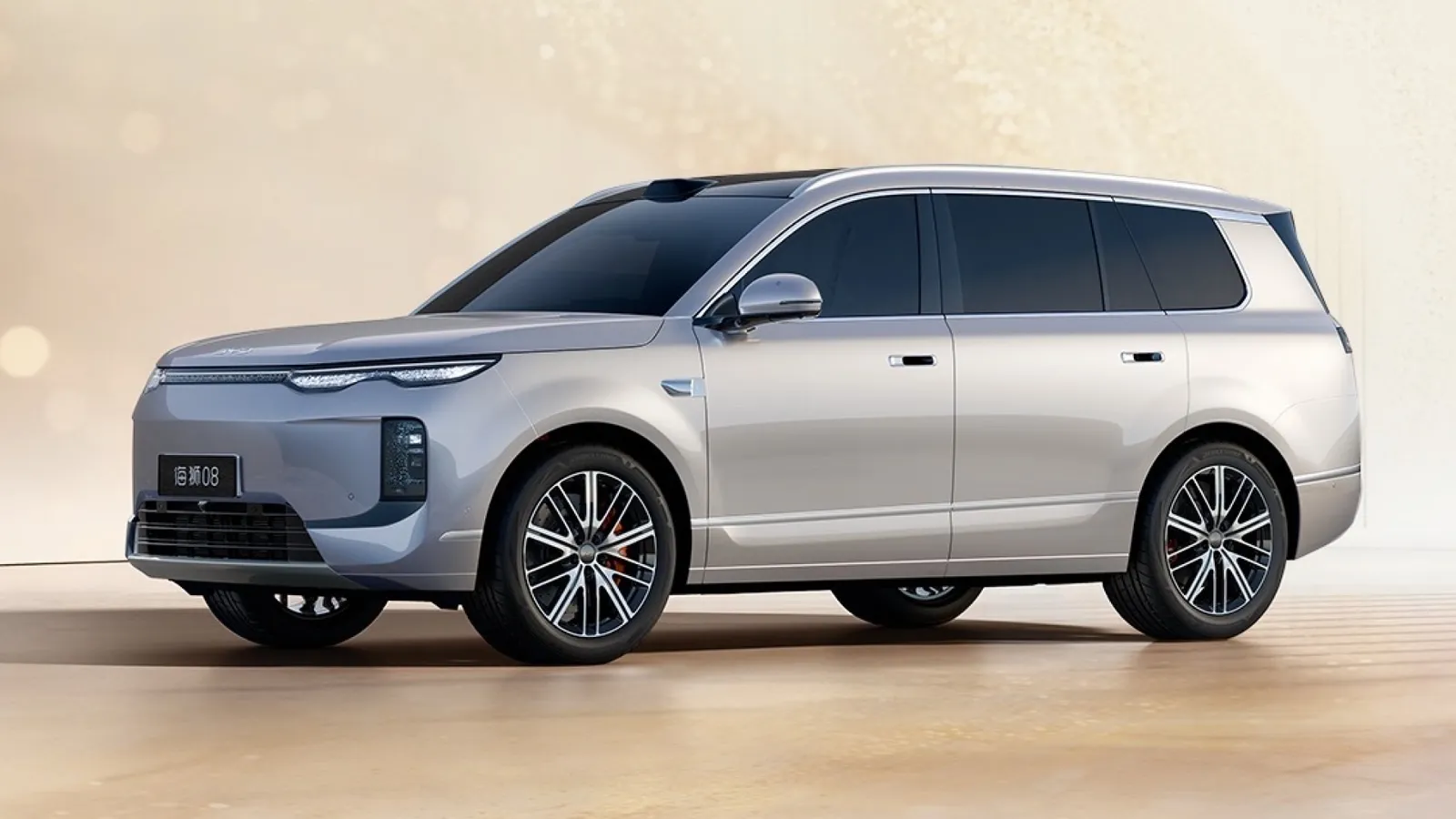
Which models and brands drive BYD’s performance
In BYD’s main portfolio, the Dynasty and Ocean series are currently performing best. In August, the Dynasty series delivered 170,842 vehicles, while Ocean delivered 193,109 vehicles.
Within the Dynasty series, the Yuan model stood out with 84,550 units sold, representing a year-on-year increase of 128.2%. The Song model contributed 47,350 units, and the Qin model added 21,826. For comparison: the Tang model had 12,340 units, the Han model only 3,656, and the Xia model 1,120.
In the Ocean series, SeaLion led with 48,559 units sold, followed by Seal at 47,464, Dolphin at 40,473, and Seagull at 36,106. The new Seal 08 added another 10,170 units in August alone, so BYD is using it to boost sales in the higher-end sedan market.
Beyond its main brand, Fang Cheng Bao is gaining increasing importance. In August, the sub-brand sold 41,568 vehicles, with Ti7 accounting for 30,572 of those. Since its launch in September 2025, this model has already seen over 230,000 units sold. Moreover, the average transaction price for Fang Cheng Bao vehicles exceeded 223,000 yuan, or about 33,200 dollars. This is significant because BYD has long aimed to move beyond the mass market segment.
Denza appears weaker. In August, it had 16,001 deliveries, marking the second consecutive month of decline compared to the previous month. D9 produced 6,262 units, N8L 4,567, Z9 4,141, and N9 1,031. Meanwhile, Yangwang remains niche, with only 442 vehicles delivered in August.
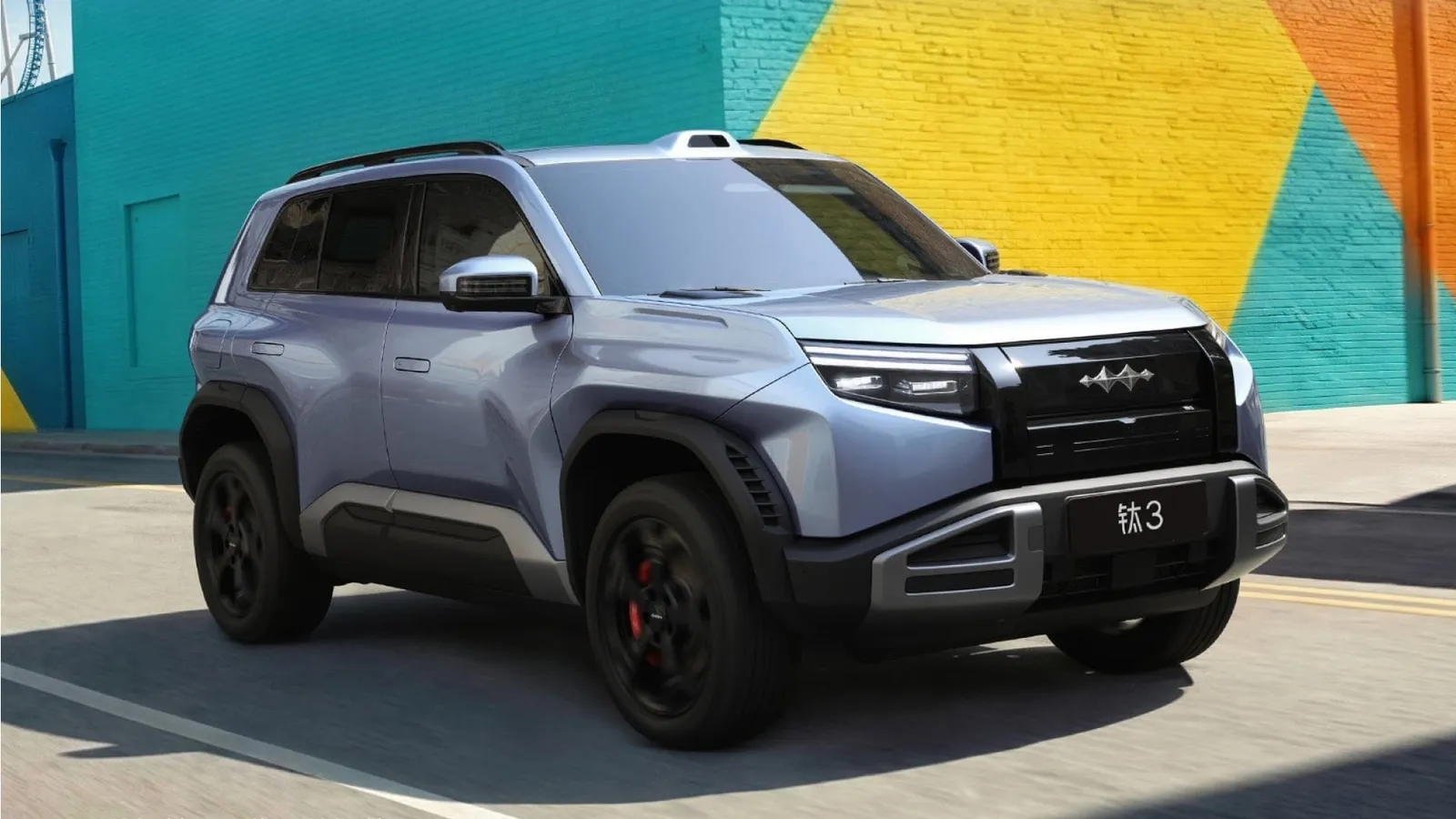
Europe, Brazil, and local factories. This is BYD’s path.
BYD is expanding its sales and production in Europe, Southeast Asia, and Latin America. Brazil has become the company’s largest market outside China. This isn’t surprising, as the brand entered a market that is more receptive, less saturated, and less affected by European trade policies.
Meanwhile, the company is building local production capacity in places such as Brazil, Hungary, and Turkey. This is a very practical move. Local production reduces logistics costs and also helps mitigate the impact of tariffs and trade tensions.
This is especially important for Europe. If BYD wants to seriously compete in the EU market, sending ships from Shenzhen is not enough. It needs assembly facilities closer to customers and a product portfolio tailored to local preferences. In other words, less focus on scale and more emphasis on products.
From a Polish perspective, the conclusion is simple. BYD is no longer just a brand trying to enter Europe. It is a manufacturer for whom Europe and other foreign markets are becoming the financial backbone of the entire group.
BYD can succeed abroad only if it maintains its margins without repeating China’s price war tactics. What do you think? Will it be able to sell profitably in Europe, or will it end up facing the same issues as in China?