
BYD will manufacture batteries for electric trains after succeeding in the automotive industry
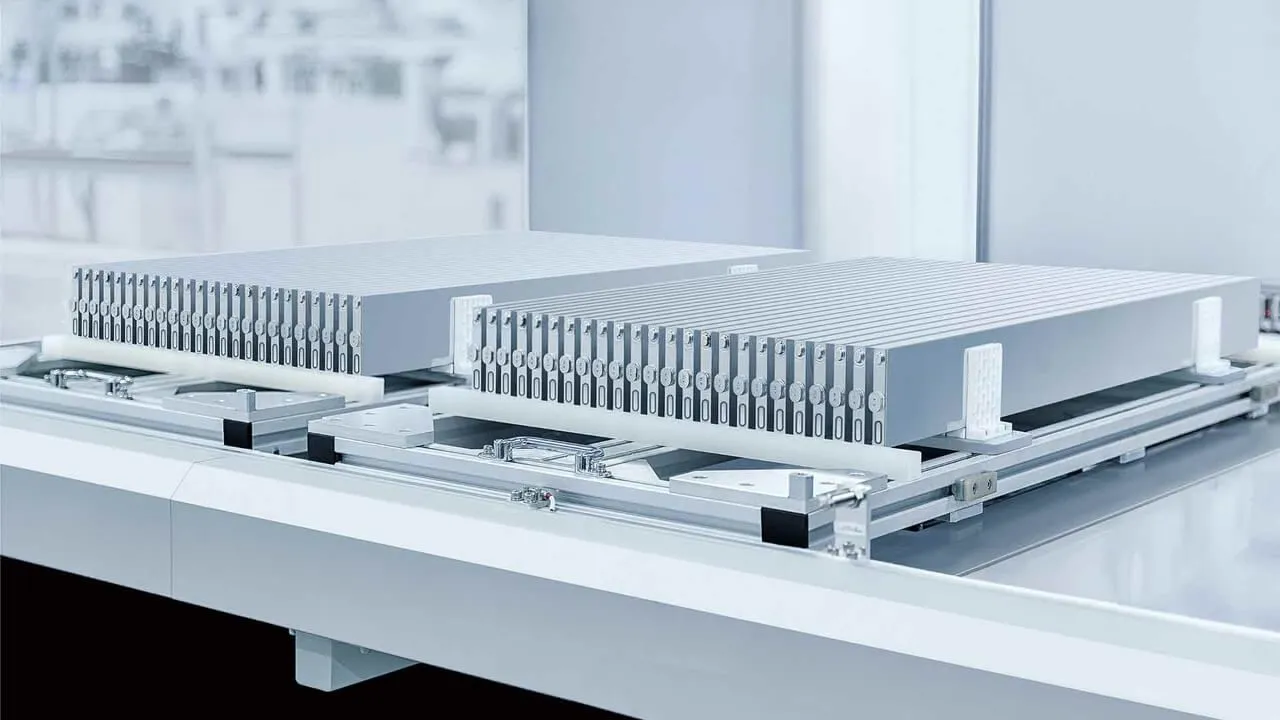
BYD is currently the world’s second-largest battery producer after CATL. The Chinese company not only manufactures batteries for various types of vehicles (passenger cars, commercial vehicles, buses, etc.), but it also holds a significant presence in the stationary energy storage sector. Now, the company aims to take another step forward by entering the railway industry.
BYD’s battery subsidiary, FinDreams Battery, has signed an agreement with Changsha Fusheng Technology to develop batteries for electric trains used in industrial and mining applications. These batteries will be based on the company’s Blade technology; thus, they will be of the LFP (lithium-iron-phosphate) type and feature very thin, elongated cells to improve space utilization.
BYD will be responsible for the research, development, and manufacturing of the batteries, while Changsha Fusheng will handle system integration using its electronic control technology. The total capacity of the batteries to be supplied, their specifications, or a specific launch timeline have not been disclosed yet.
Meanwhile, BYD continues to expand its second-generation Blade batteries across its vehicle lineup. In addition to higher energy density, the main improvement is their charging speed: they can reach 70% from 10% in just 5 minutes, and 97% from 10% in 9 minutes. Additionally, at -30 ºC, they can charge from 20% to 97% in 12 minutes, making them more resistant to cold temperatures.
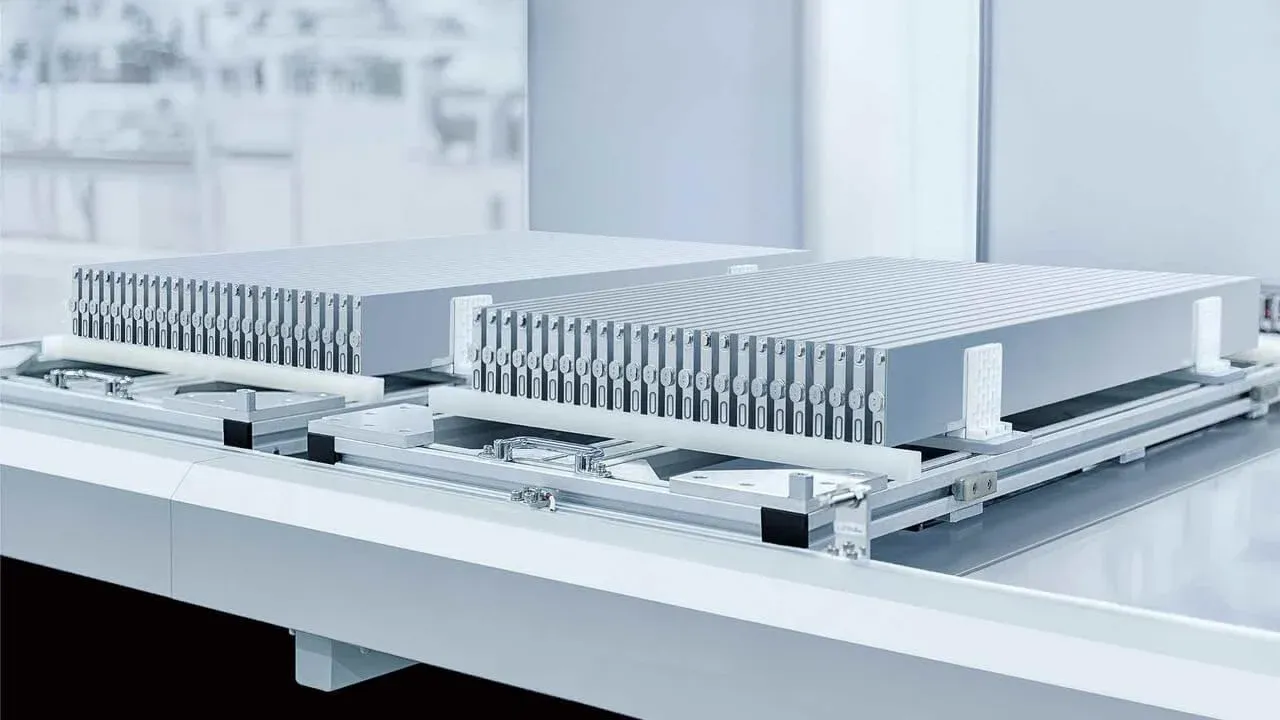
BYD continues to work on new battery technologies
The agreement states that the batteries for trains will have automotive-grade quality; however, it is unclear whether they will be the new second-generation Blade batteries or the first-generation ones, which, although less efficient, are more affordable and still in production (both are expected to coexist for an indefinite period).
BYD is also working on another technology of great interest: sodium batteries, which promise to be more affordable and durable than LFP batteries... though at the cost of lower energy density. Everything suggests that for now, BYD will use this type of cells for stationary energy storage, not in passenger vehicles.
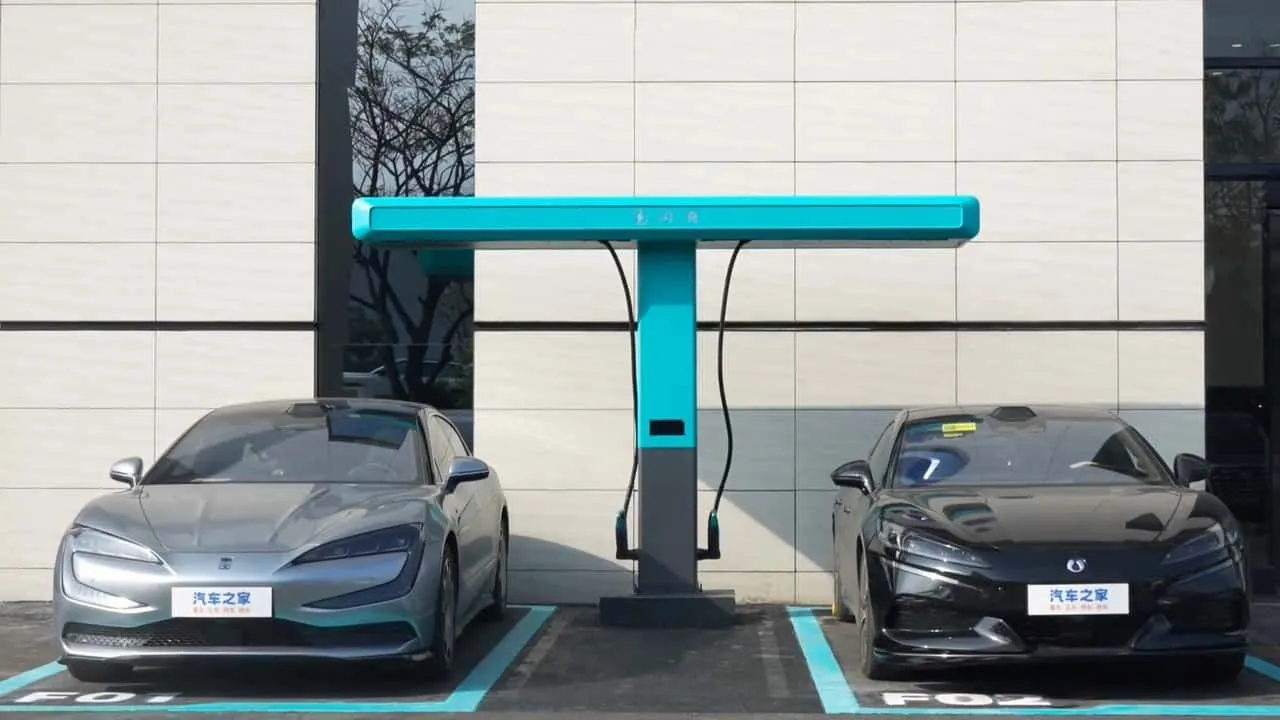
All indications suggest that sodium batteries will gain ground in all storage sectors over the coming years; for example, CATL is already producing cells of this type for electric vehicles. For now, BYD seems to be falling behind its main competitor in this field, as its primary focus remains LFP technology.
Source | CarNewsChina