
BYD wants the L3 by 2028. So far, only two such vehicles have been approved in China.
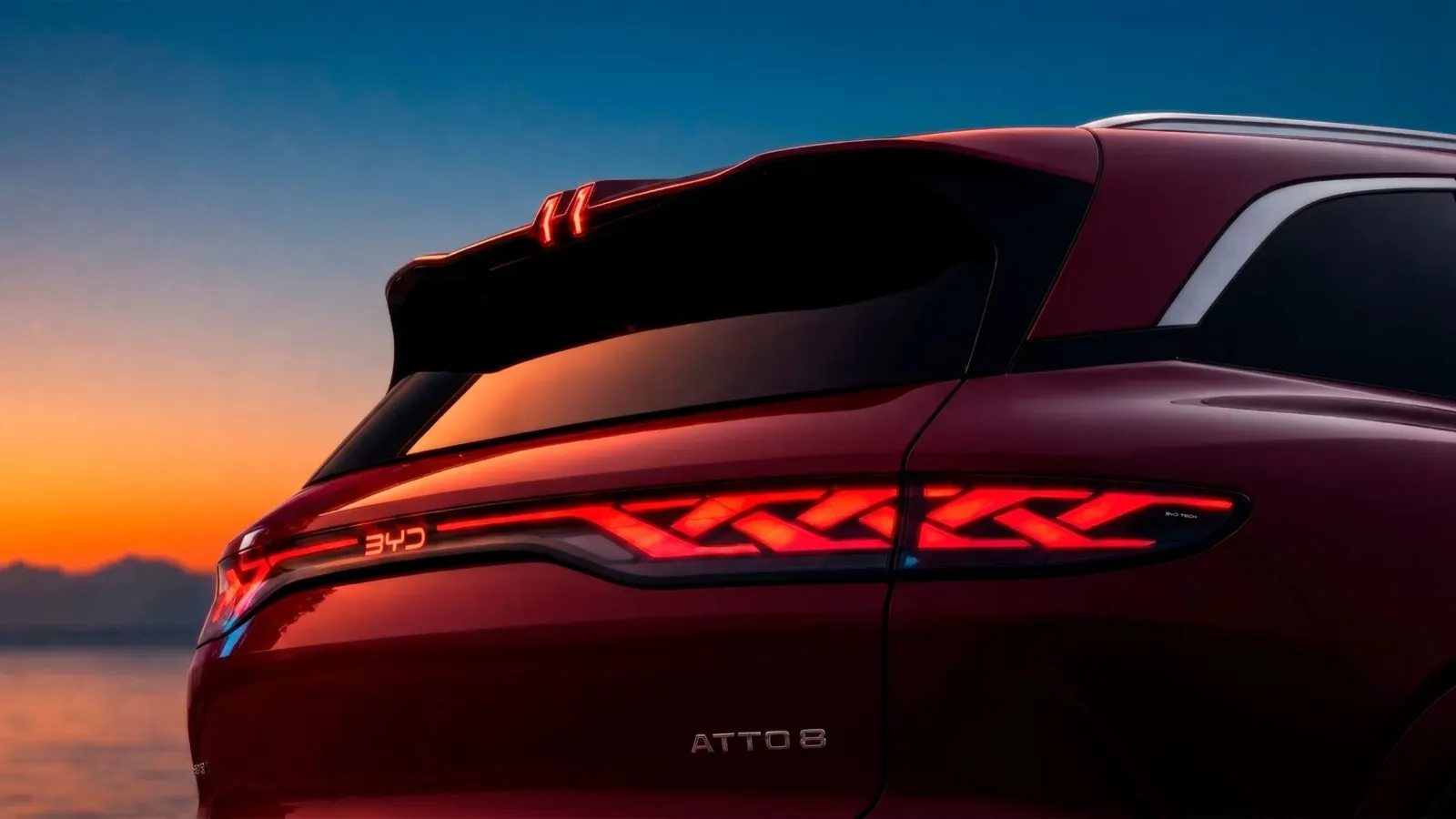
BYD may introduce conditional L3 autonomous driving as early as 2028. This was announced by Yang Dongsheng, the group’s senior vice president and head of its new automotive technology research institute, at the World Intelligent Connected Vehicles Conference. Higher levels of autonomy are expected to hit the market one or two years after L3 is deployed.
Two approved models and strict limitations
For now, L3 in China remains limited to pilot programs. Only two models have received regulatory approval: Changan Deepal SL03 and Arcfox Alpha S. Both can use L3 features only in designated cities, on specific road sections, and under defined conditions. It is still a long way before they are available to ordinary consumers.
The regulations are still being formulated. In August, the first mandatory national standard with safety requirements for L3 and L4 autonomous driving systems in vehicles was published. It will take effect on July 1, 2027, which is before 2028 as indicated by BYD.
3.95 million vehicles with assist systems and forecasts for 2030
BYD has plenty of data to work with. On October 15, the company reported that over 3.95 million vehicles equipped with driver assistance systems were in use (as of the end of September). God’s Eye generates more than 240 million kilometers of driving data every day. For comparison, all Chinese autonomous driving tests combined covered over 220 million kilometers. This data comes from various sources: BYD collects it from customers’ vehicles with assist systems, while the tests involve autonomous driving. The scale is truly impressive.
This type of resource provides material for developing algorithms and covers less common road scenarios. It is necessary to gradually expand L3 beyond narrowly defined conditions. However, the information available does not indicate how much these data will bring BYD closer to L3 certification. The figures come from the company itself.
The market is also changing more broadly. Wan Gang, honorary chairman of the China Association for Science and Technology, said at the conference opening that in the first half of 2026, over 70% of new passenger cars sold in China had L2 features. According to his forecast, this percentage will exceed 95% by 2030. During the same period, the country made 57,000 kilometers of roads available for testing and issued more than 20,000 test and demonstration licenses.
Wan Gang also expects L3 vehicles to account for over 35% of the market by 2030. If BYD actually launches in 2028, there will be two years left to reach that figure. However, the conference materials do not mention which BYD models will receive L3 capabilities or the cities where the system will operate.
LovEV Newsletter
Want more content like this?
Sign up — we’ll send you a weekly summary once the newsletter starts.