
BYD aims to sell 2.5 million vehicles outside China by 2027. The domestic market is struggling, while exports are driving growth.
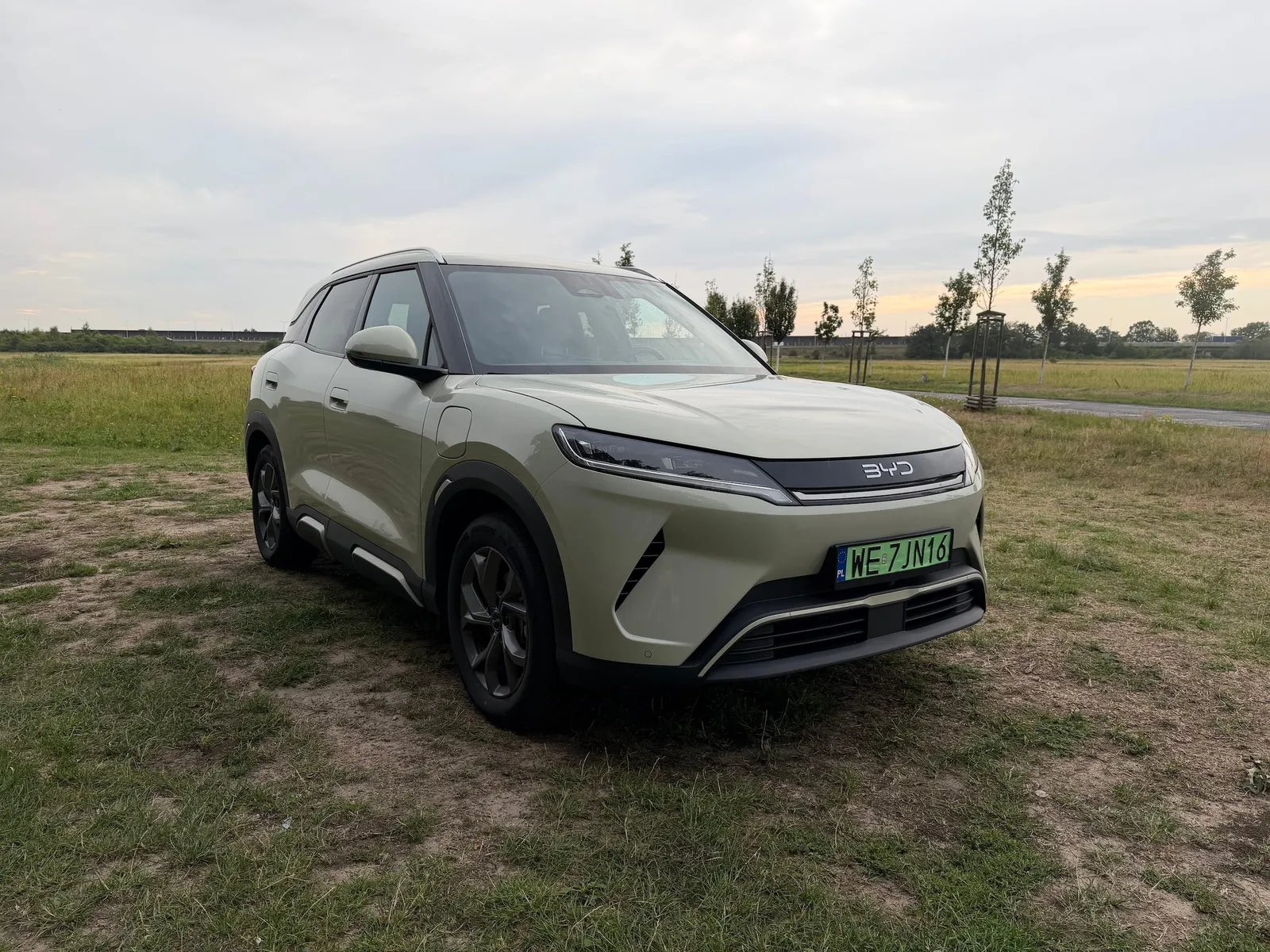
BYD has raised its overseas sales forecast for 2026 to 1.9-2.0 million vehicles and is now targeting over 2.5 million by 2027. During the post-results call, the company added another point: Flash Charge fast charging, a backlog of 250,000 vehicles, and an ambitious plan to establish 6,000 charging stations outside China.
Table of Contents
Show
Hide
In practice, BYD is increasingly relying on foreign markets for growth as its domestic market is showing signs of decline. For Europe, this means more vehicles with the BYD logo will be produced and shipped from local factories.
BYD’s exports are growing faster than its domestic market
The figures are already quite substantial. From 2023 to 2025, BYD’s overseas sales of NEVs rose from 242,765 to 417,204, then further to 1,046,083 vehicles. From January to August 2026, the company added another 1,162,260 vehicles, representing an 85.72% year-on-year increase.
At the same time, the domestic market was weighed down by poor results. BYD’s sales in China dropped by 32.72% to 1,505,755 vehicles, while the group’s total sales declined by 6.84% to 2,668,015. In short, without exports, the situation would be much worse.
The new forecast for 2026 is 1.9–2.0 million vehicles exported overseas. This is significantly higher than the 1.3 million predicted in January and above the 1.5 million figure after the March revision. After August, BYD must deliver an average of around 184,000–209,000 vehicles per month for the remaining four months of the year. This is achievable, as August alone saw a record 189,466 vehicles, a year-on-year increase of 134.45%, with exports already accounting for 43.03% of total monthly sales.
BYD claims that in 2026, maritime transport capacity was a constraint, and with more ships, the results could have been even better. Therefore, the company is expanding its own fleet of trucks and increasing production outside China. The factory in Indonesia has already started operations, the one in Brazil is set to produce 300,000 vehicles per year, and the plant in Hungary is expected to begin assembly in November or December. The company is also evaluating additional locations.
Profit is another interesting aspect. BYD reported that in the first half of the year, it made about 20,000 yuan, or roughly $2,950, on each vehicle sold abroad, despite currency pressures. This level is expected to remain relatively stable for now.
Flash Charge, 250,000 orders, and 6,000 charging stations outside China
The second thread from Calla relates to charging. In China, BYD hopes that sales will drive adoption of Flash Charge technology and its own charging network, though battery supply remains a constraint today. The backlog for models compliant with this standard amounts to around 250,000 vehicles.
The issue lies with the supply of second-generation Blade batteries. BYD expects these shortages to be fully resolved by the first quarter of 2027. This is an important caveat, as fast charging on paper is one thing, but actually delivering a vehicle to the customer is another.
BYD’s infrastructure plan in China is also very aggressive. The company maintains its goal of having 20,000 Flash Charge stations by the end of 2026, followed by 30,000 in 2027 and 40,000 in 2028. In total, this amounts to 90,000 charging points.
Outside of China, the company again mentions 6,000 Flash Charge stations, but without a timeline during the call. Here’s where it gets interesting: in July, Li Yunfei, BYD’s head of branding and PR, said these 6,000 stations would be completed by the end of March 2027. The breakdown was specific—3,000 in Europe, 2,000 in both the Americas, and 1,000 in Asia and the Pacific. If this schedule holds, Europe will account for half of the total plan.
BYD also sent two more signals from China. Its goal for the local market is around 25 percent share, though no date was given. Additionally, the company is developing its own intelligent driving systems in preparation for the expected Level 3 regulations by 2027.
On paper, BYD is competing today through vehicles, factories, and chargers—not just pricing. Which element do you think will fail first: production, logistics, or the promised 3,000 stations in Europe?
LovEV Newsletter
Want more content like this?
Sign up — we’ll send you a weekly summary once the newsletter starts.