
Brussels focuses on electric trucks: chargers are needed on major routes
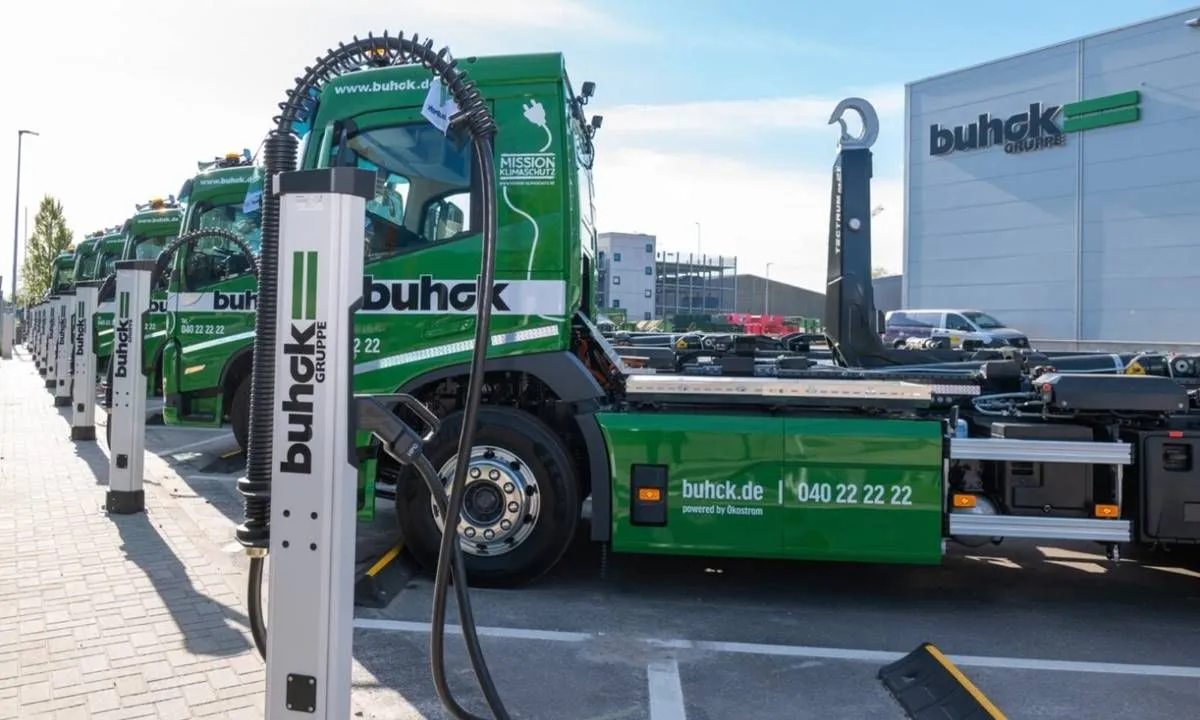
The European Commission plans to direct its upcoming funding toward charging electric trucks and buses. The goal is to strengthen major freight corridors, where high initial costs, low current demand, and network connections make deployment challenging.
Purchasing an electric truck is only part of transforming freight transportation. After that, it needs to be charged, positioned where it fits into its route, and have sufficient power so that stops don’t disrupt the delivery schedule. It seems obvious, but it remains one of the difficulties in expanding this technology beyond routes that a company can cover by charging at its own facilities.
The European Commission aims to give greater emphasis to charging electric trucks and buses in its upcoming funding programs. This direction was outlined by Eric von Breska, head of investments, innovation, and sustainable transport, during the Connecting Europe Days in Brussels. The relevant instruments are the Connect Europe Facility, known as CEF, and its alternative fuels infrastructure program, AFIF. For now, this is an announced priority without a new financial allocation or specific timeline associated with it.
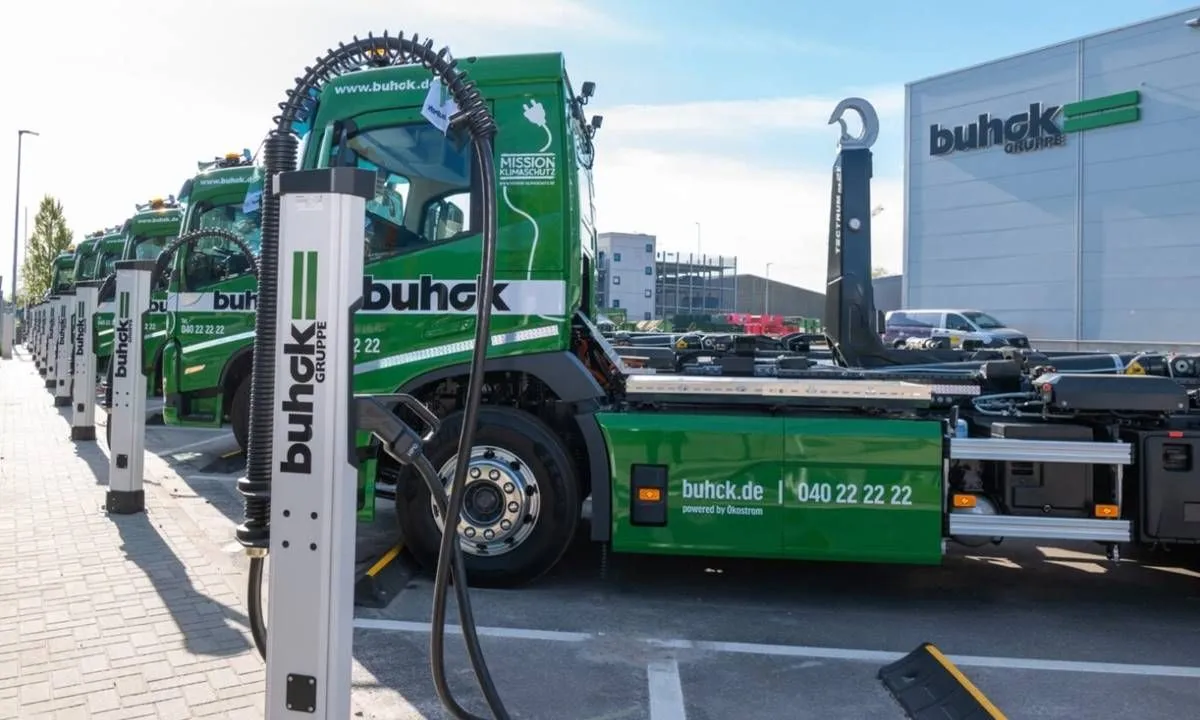
The problem is largely a vicious cycle. A facility equipped to serve trucks requires significant investment, but it needs customers to recoup that money. Meanwhile, truckers want some assurance that they’ll find a place to load before renewing their fleets. With an electric fleet still small, early operators must bear the cost of facilities whose utilization may take time to reach a profitable level.
According to figures cited by the European Commissioner for Transport, Apostolos Tzitzikostas, the European Union has around 3,000 public charging points suitable for trucks, which is approximately 60% more than a year earlier. The growth is significant, though merely counting the points isn’t enough to determine whether a route is well-served: location, available power, and whether access is practical for large vehicles also play important roles.
The electrical connection is as important as the charger
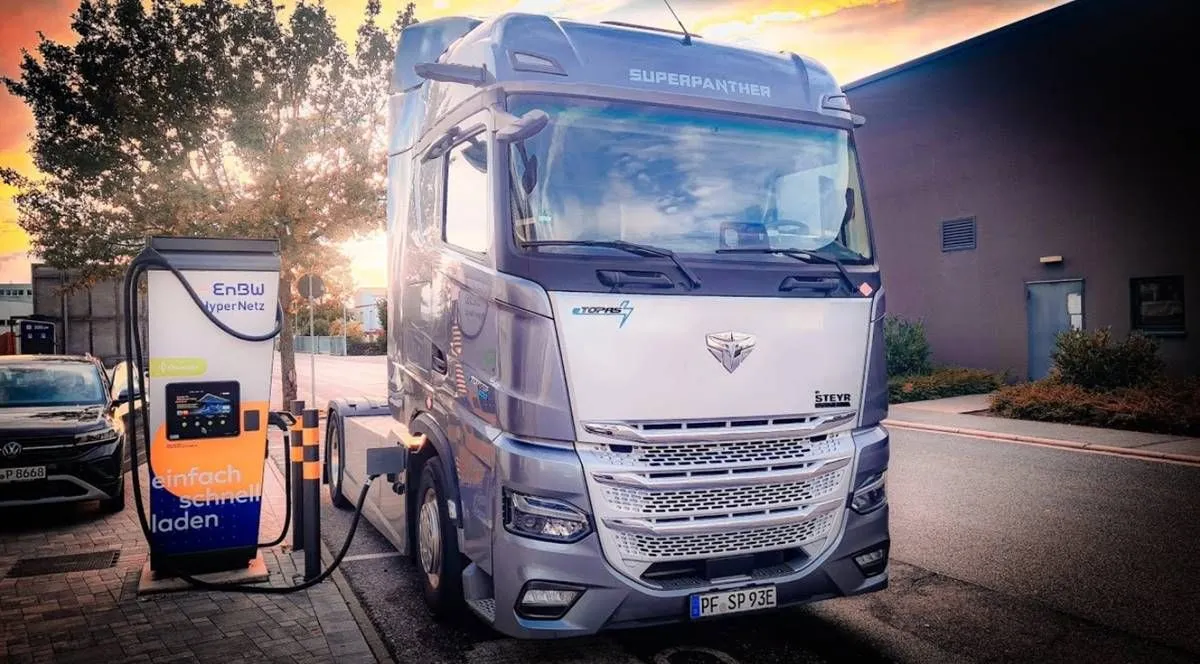
A subsidy can facilitate the purchase of equipment and infrastructure for the station, but it does not alone eliminate connection challenges. Before deploying multiple high-power chargers, the network must be capable of supplying them. Administrative delays, necessary expansions, and available capacity at each location can affect both the project and the investment required.
It is important to distinguish here two concepts that are often confused: the energy needed by the truck and the power level it should be connected to. Charging a battery overnight allows the demand to be spread over a longer period. Doing so during a short stop, alongside other trucks arriving at the same time, concentrates that demand and requires a much stronger connection. The optimal location for a transporter does not always coincide with the easiest to supply.
To coordinate deployment, Brussels relies on the Clean Transport Corridors initiative, launched in 2025 alongside several member states. Its first phase focuses on the Scandinavia–Mediterranean and North Sea–Baltic routes, with plans to expand the efforts to other routes within the trans-European transport network later on. The approach aims to ensure that infrastructure supports major freight flows and that national projects remain consistent when crossing borders.
For Spain, the geographical context matters. The Scandinavia–Mediterranean corridor should not be confused with the Mediterranean corridor that runs through parts of our country. This initial selection does not mean that Spanish routes are the primary targets for this initiative, although expanding it to other corridors will be important for companies that carry out international transport from the peninsula.
There is also a less visible aspect beyond the stations along highways: charging at company bases. For regional deliveries and daily return trips, making use of parking time can meet many of the needs. This infrastructure also requires planning, capacity, and funding, although its operation differs from that of a public station designed for long-distance trips.
Subsidies can reduce the risk of investing before there is high demand. But the outcome must be measured in terms of operational facilities with sufficient capacity located where they are needed. A transporter can include a subsidy in their accounts; what they cannot include on their route is a loader that remains waiting for connection.