
Brussels issues an unexpected appeal to China to curb its hybrid cars in Europe
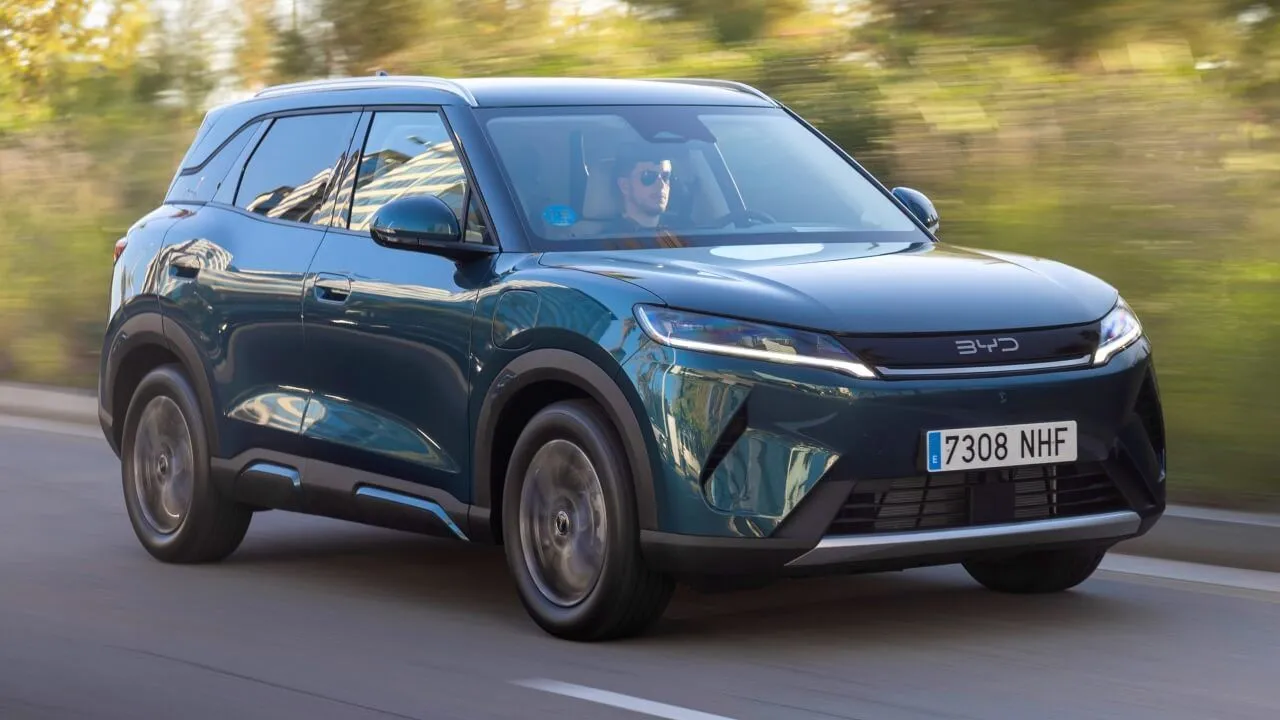
Brussels has asked China to voluntarily limit exports of hybrid cars to the European market. The proposal, reported by the Financial Times citing sources familiar with the negotiations, suggests that hybrid models manufactured in China should account for no more than about 15% of the European market. The goal is to avoid an escalation in trade tensions between the two sides and, at the same time, give European manufacturers some breathing room.
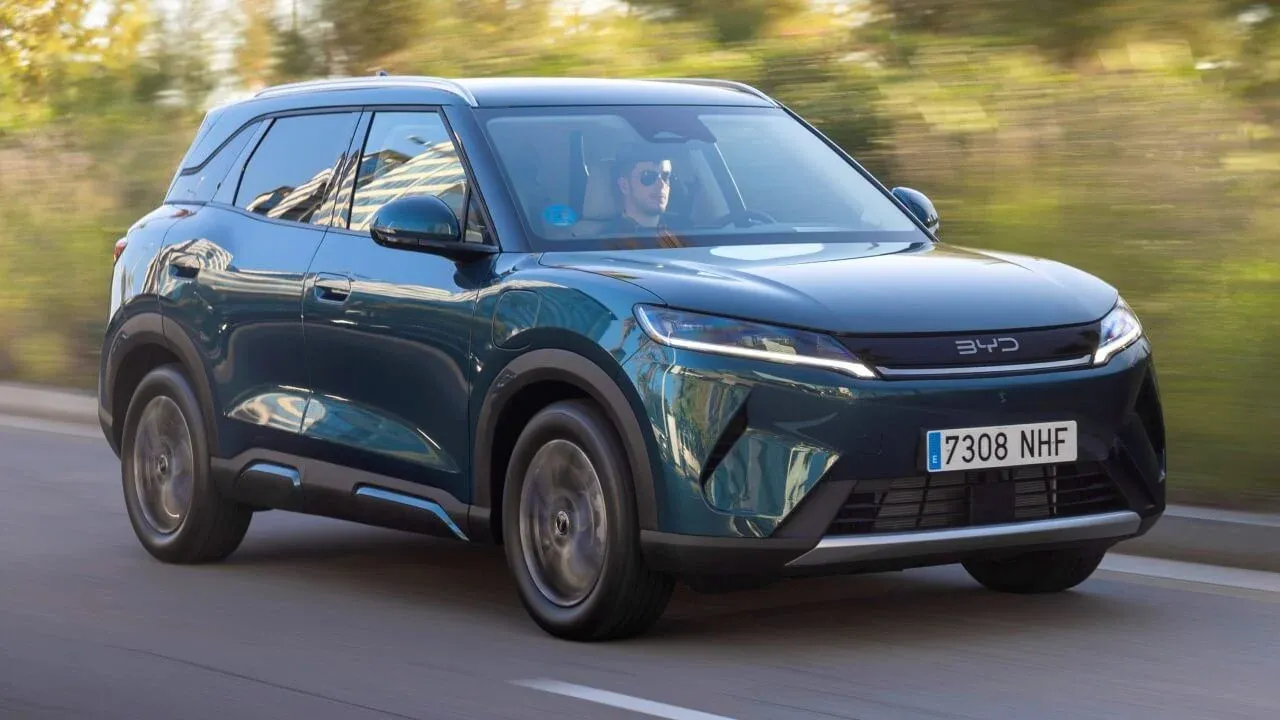
The request comes at a particularly sensitive time for the European automotive industry. Chinese brands have significantly strengthened their presence in Europe, with manufacturers such as BYD, Geely, and SAIC also using their hybrid models to gain market share. The difference compared to electric cars is important: the tariff measures imposed by the European Union on electric cars manufactured in China do not affect hybrid models in the same way, making this technology a route for expansion for Chinese manufacturers.
According to sources cited by the Financial Times, Chinese hybrid cars currently account for over a third of the market in the segment referred to by the proposal, compared to around 15% that Brussels aims to set. Reuters has confirmed that this request is part of the negotiations between the European Union and Beijing aimed at addressing the growing trade imbalance. The European Commission had not publicly confirmed the existence of such a limit at the time of this report.
The move also carries a clearly industrial undertone. The European Union is pressing China to reduce certain exports while seeking greater access for European products into the Chinese market. European Commission President Ursula von der Leyen warned this week that the EU’s trade deficit with China reached 360.6 billion euros in 2025, with the imbalance continuing to rise during the first half of 2026.
The automobile sector is one of the most sensitive areas within these negotiations. European manufacturers have been under increasing pressure for months due to the arrival of Chinese models with competitive prices, while some companies have announced significant job cuts. Brussels argues that part of this problem is related to China’s industrial overcapacity and its rising exports, a view that Beijing rejects as a form of protectionism.
The European strategy is not limited to automobiles. According to Reuters, Brussels has also asked China to restrict certain exports of chemicals and, at the same time, increase its purchases of European products. The EU’s Trade Commissioner, Maroš Šefčovič, is leading these talks, and the European Union aims to achieve concrete results in the coming weeks, with October being a particularly important date in the negotiations.
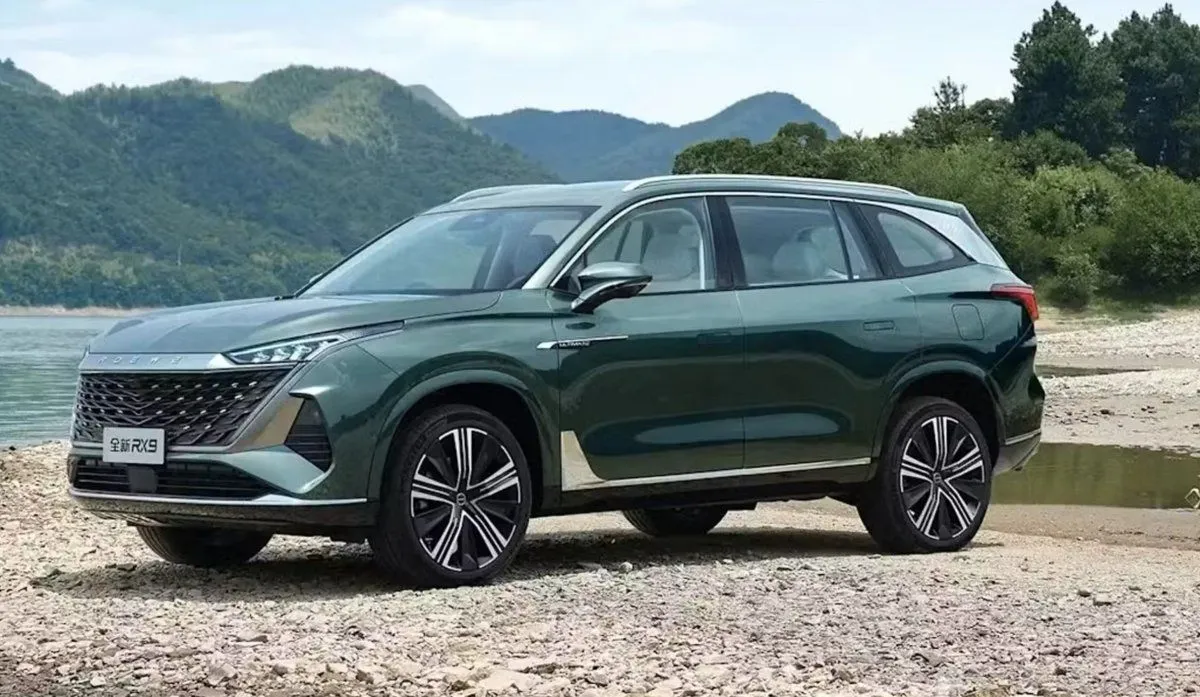
The proposal also recalls a situation Europe has already experienced with Japan. In 1986, the then European Community and the Japanese government established voluntary export restrictions on Japanese cars. These limitations persisted, in various forms, until 1999, as manufacturers like Toyota and Nissan increased their production directly in Europe.
It is precisely this precedent that, according to the Financial Times, is present in current discussions. Brussels is seeking a negotiated solution with Beijing that would allow import controls without imposing the additional tariffs demanded by groups such as Volkswagen. If China does not agree to voluntarily limit its exports, sources cited by the newspaper suggest that the European Union might resort to new trade measures.
The challenge for Chinese manufacturers is that hybrids have become one of the main ways to grow in Europe after Brussels tightened requirements for electric cars made in China. For example, BYD sells plug-in hybrid models like the BYD Seal U DM-i, while other Chinese companies are rapidly expanding their product lines with this technology.
So far, there is no approved 15% limit or officially set quota. This is a demand within ongoing trade negotiations. The outcome will depend on Beijing’s response and the ability of both sides to reach an agreement before Brussels decides whether new trade measures are necessary.