
Brandenburg wants driverless Teslas to operate in rural areas, using the Model Y and Robotaxi to replace infrequent buses.
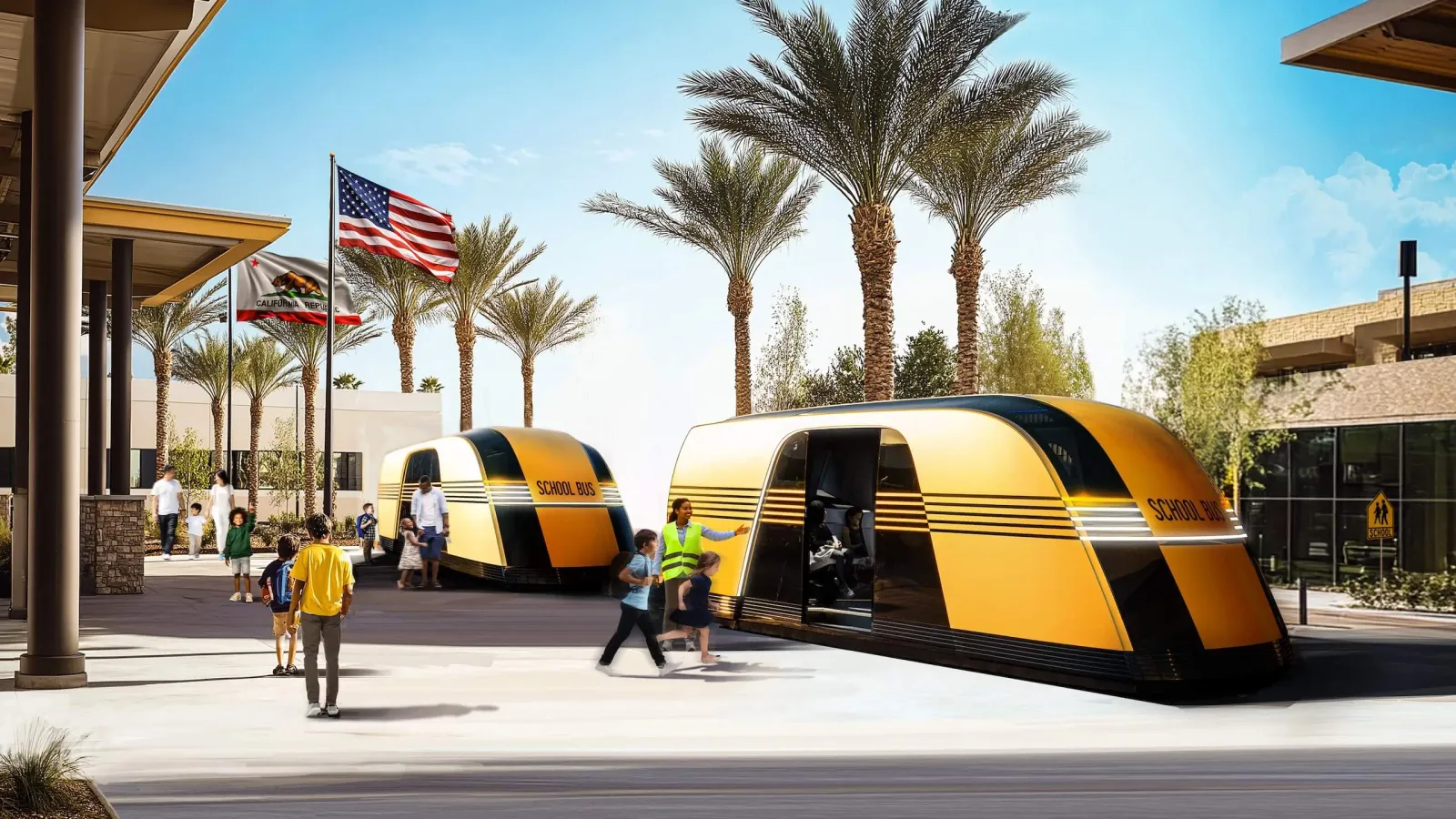
Brandenburg is exploring whether autonomous Teslas can be integrated into public transportation in rural areas. Transport Minister Robert Crumbach confirmed talks with Tesla and explicitly mentioned supplementing the current on-demand bus system.
The idea is simple: where buses run once or twice a day, a small driverless vehicle would take over the route. It sounds sensible to residents, but for now the biggest issue isn’t the vehicle itself but rather the laws and practical readiness for such a service.
Not a Tesla bus, but rather a Model Y or robotaxi
Brandenburg isn’t referring to traditional shuttle buses because Tesla doesn’t sell them today. The options are passenger models like the Model Y or future robotaxis that could function as flexible on-demand microtransport.
An interesting detail, as it clearly shows the difference between a political promise and a finished product. Tesla has plans for Cybercab and has also shown Robovan, about which we have already written in the context of autonomous mobility visions. The issue is that Robovan remains more of a promise than a tool that can be added to daily schedules in the area around Berlin tomorrow.
Crumbach talks about complementing the existing Rufbus system. This is Germany’s equivalent of on-demand transportation, provided via fixed routes or by minibuses and taxis. The problems are the rigid availability hours and a shortage of drivers. And it is this second issue that sounds more realistic today than marketing slogans about the future.
Who Benefits and Where Is the Catch
The minister identifies two groups: seniors and young people traveling to school or for internships. In many parts of Brandenburg, a car is still necessary, but not everyone can drive. So if an autonomous ride could be ordered just like today’s phone-based buses, such a system would make sense.
There is one big caveat. Tesla still does not have a fully operational driverless robotaxi service in Europe, and the Full Self-Driving version known in the U.S. is not freely approved for such use in the European Union. So we are talking more about a political direction than about a signed implementation with a start date.
In addition to this are the responsibilities for accidents, homologation, remote monitoring of the fleet, and integration with local public transportation. On paper, this seems cheaper than maintaining an empty bus with a driver. In practice, the cost of a single vehicle is also not low. The Tesla Model Y in Germany currently costs around 45,000–50,000 euros, which is approximately 190,000–215,000 Polish zlotys before local fees and equipment. Dedicated robotaxis, if they do make it to the market, don’t necessarily have to be cheaper to buy than regular cars.
Brandenburg has one advantage here. The Gigafactory Berlin-Brandenburg is operating nearby, so discussions with Tesla are logical from both logistical and political perspectives. But the proximity of the factory doesn’t resolve regulatory issues. Without legal approval, such a project will remain at the stage of presentations and pilots.
If Germany truly pushes such a model in rural areas, pressure for similar tests in other EU countries will rise quickly. The question is whether the first real robotaxi to reach the countryside will actually arrive, or if it will just be another ambitious claim from Tesla. What do you think: will we see an autonomous Model Y in Brandenburg sooner, or will a regular bus prove more practical than these promises?
Order your Tesla and take advantage of purchase bonuses using the referral link!
LovEV Newsletter
Want more content like this?
Sign up — we’ll send you a weekly summary once the newsletter starts.