
Bosch will restructure its semiconductor business starting in 2028
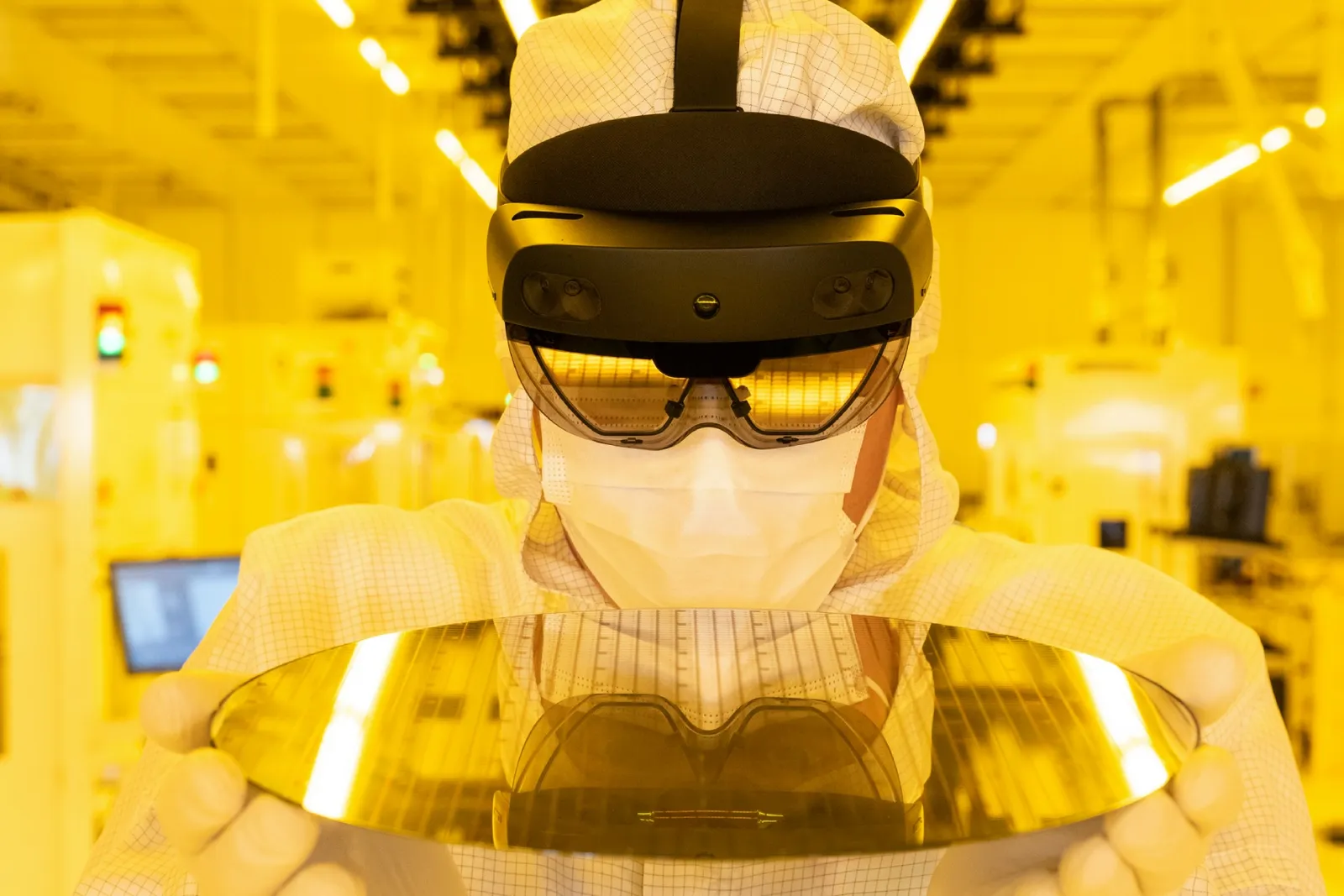
Bosch is restructuring its semiconductor business and will establish a separate “Semiconductors” division under the Mobility segment starting January 1, 2028. With this move, the technology company aims to explore new markets such as robotics and artificial intelligence alongside the automotive sector, and to boost its chip sales to five billion euros by 2030.
Image: Bosch
Bosch is restructuring its organizational framework and will establish a new business unit for the semiconductor business on January 1, 2028, under the name Semiconductors. This new unit will remain part of the Mobility business area but will be separated from the existing shared structure with the Mobility Electronics division. Starting in 2028, the Mobility Electronics division will focus on electronic control units and power electronics for vehicles, while Semiconductors will handle the development, manufacturing, and sales of microchips and sensors.
“Semiconductors are the cornerstone of our connected world and a key factor for success in all of Bosch’s business areas,” says Markus Heyn, vice chairman of the management board of Robert Bosch GmbH and chairman of the Bosch Mobility business area.
By 2030, Bosch aims to achieve annual sales of five billion euros from semiconductors. The restructuring is intended to enable more flexible operations in the global semiconductor industry and to explore new growth areas beyond established fields such as components for the automotive industry, smartphones, and household appliances. These include industrial automation, control systems for humanoid robots, and components for data centers in the field of artificial intelligence. Market analyses show strong increases in global and European demand for semiconductors and silicon wafers in the coming years.
"Our unique strengths in the semiconductor business are market and technology leadership in MEMS sensors, as well as the integration of semiconductors into system solutions. This includes silicon carbide chips and application-specific integrated circuits (ASICs). We aim to build on these strengths and leverage them in selected new markets," says Erik Rein, head of Bosch’s semiconductor business.
In addition, Bosch will increasingly open its own manufacturing capabilities to external partners in the future to develop what is known as the foundry business—that is, contract manufacturing for third parties.
The company’s growth goals are supported by billions of euros already invested and its global expansion. Bosch spreads its production risks across around 40 locations worldwide, ensuring stable supply chains. In recent years, approximately three billion euros were invested in the German plants in Dresden and Reutlingen, while about two billion US dollars were spent expanding the plant in Roseville, USA. This network is further enhanced by expansions at the testing site in Penang, Malaysia, and a 10% stake in the ESMC manufacturing consortium in Dresden, giving Bosch direct access to chip production.