
BMZ Poland and EVE will produce an LMFP battery for heavy EVs. It can charge to 80 percent in 25 minutes.
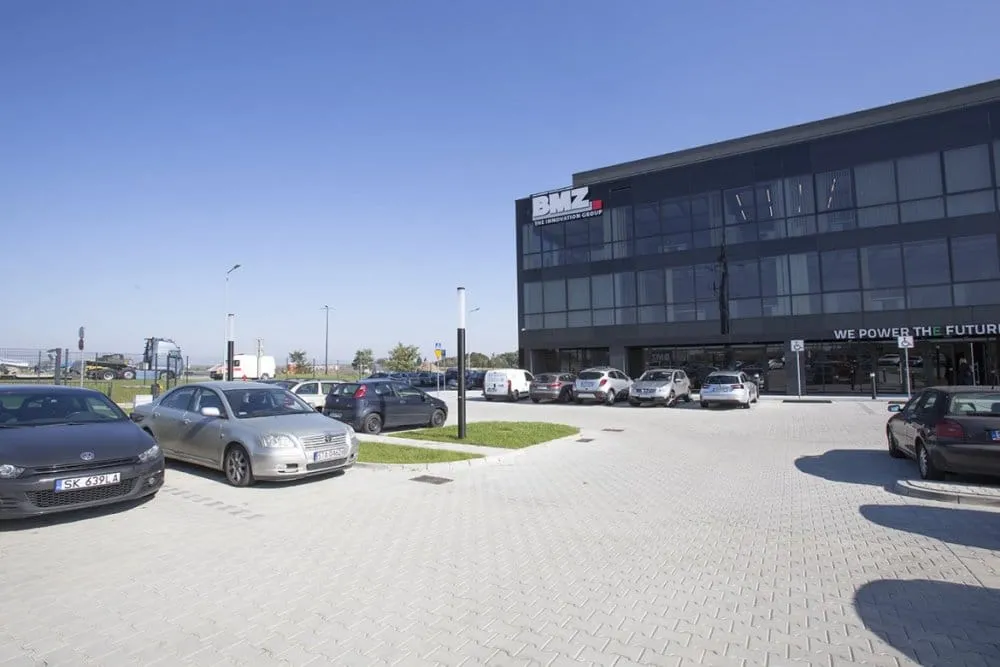
BMZ Poland based in Gliwice and Chinese company EVE Energy showcased at IAA Transportation a jointly developed LMFP battery for electric trucks, buses, and construction machinery. Mass production is set to begin in mid-2028, with the first samples for customers hitting the market in 2027. This sounds appealing to fleet manufacturers, as the promise is simple: fewer kilograms compared to LFP and faster charging without having to opt for the more expensive NMC.
What does the new LMFP battery offer?
The new version of the Versora platform is expected to use LMFP cells from EVE. BMZ positions this chemistry between LFP and NMC. LFP is cheaper, durable, and safe, but weaker in terms of energy density. NMC typically provides more energy and better temperature resistance, though it is more costly.
In heavy-duty applications, BMZ and EVE highlight several specific advantages. Such a battery pack in an electric long-haul truck is said to be up to 10 percent lighter than a comparable LFP solution while delivering the same amount of energy. This isn’t just a minor improvement, as every kilogram matters in transportation.
The second advantage is charging. The specifications mention a power output of up to 1 MW or a charging rate of 2.2C, which should allow the battery to go from 10 percent to 80 percent charged in less than 25 minutes. For comparison, BMZ states that a similar LFP battery takes around 35 minutes. On paper, this sounds good, but as usual, the real challenge remains: there must be a charger and an entire vehicle architecture capable of handling such high power levels.
There are also numbers related to durability and cold performance. The battery is expected to last over 4,500 full cycles at an 80 percent State of Health level, with the next generation aiming to exceed 5,500 cycles. At minus 20 degrees Celsius, it should retain 85 percent of its capacity, compared to around 75 percent for the competing LFP BMZ technology. If this is confirmed beyond just the slide, bus operators and machinery used in winter conditions will be paying close attention.
One platform, two chemistries, and a Polish connection
The Versora features a modular design with two module formats that can be installed in the floor, undercarriage, or roof. What’s more important is that the NMC and LMFP versions are supposed to have identical dimensions, weight, electrical interfaces, and voltage classes. This is convenient for vehicle manufacturers because it allows them to offer different batteries without having to redesign the entire platform.
There is also a natural Polish accent here. BMZ Poland operates in Gliwice and is already producing batteries for the commercial vehicle segment, including the new generation NMC4 for Mercedes-Benz eCitaro, which will be installed in all bus models starting in 2026. The Polish company was not affected by the bankruptcy of BMZ Germany and BMZ Holding at the end of 2025. SKion Susanne Klatten later acquired part of the group, and it is this company that is now considered the owner of the group.
LMFP itself will have to wait a little longer before hitting the market. Samples for customers are scheduled for 2027, with mass production beginning in mid-2028. Versora using NMC chemistry is set to launch sooner, as the first samples are already being sent to selected customers, with mass production planned for 2027.
The most interesting aspect of this story is that LMFP is beginning to enter a market where the choice has so far been brutally simple: cheap LFP or more expensive NMC. Do you think heavy-duty vehicles will adopt this promise of faster charging and better cold-weather performance?
LovEV Newsletter
Want more content like this?
Sign up — we’ll send you a weekly summary once the newsletter starts.