
BMW X5 and iX5 G65 (2026) in review: Electric or internal combustion engine?
When BMW’s top executives decided in the mid-1990s that a large SUV could be a game-changer for sales figures, they faced fierce resistance from within their own ranks. Nearly 30 years later, it’s clear they had no idea what they were doing. Since its debut in 1999, over 3.1 million X5 models have left the factory in Spartanburg, USA.
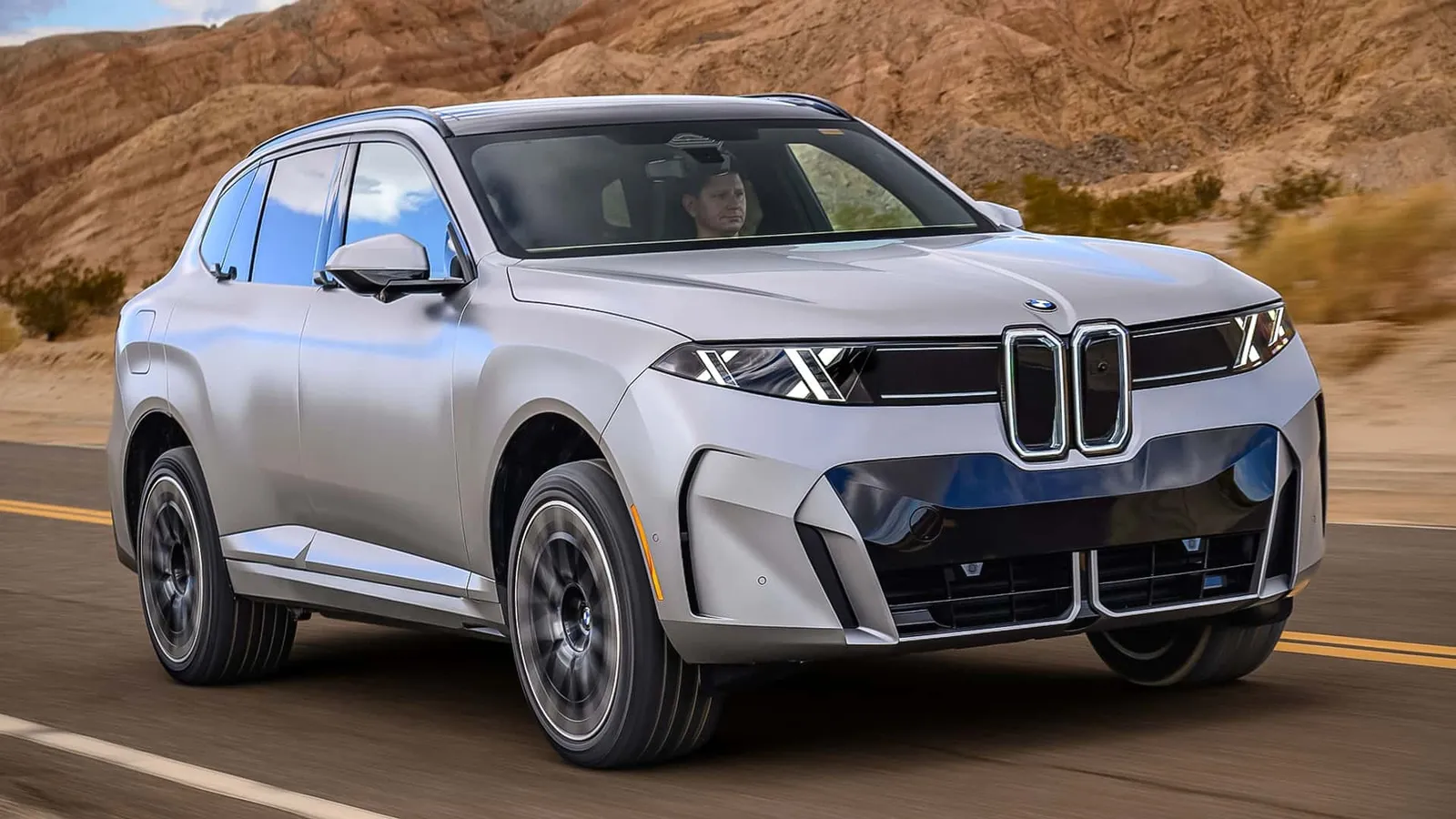
What you see here is the fifth generation of this SUV designed for discerning customers. The new G65 can even claim to be the most controversial member of this successful lineup yet. It looks as though it was roughly carved from a very large stone.
Image Gallery: BMW iX5 60 xDrive (2026) in Test
Its completely left-leaning interior design for the New Class also sparked discussions. The new X5 gained early fame thanks to its unprecedentedly extensive range of powertrains, covering everything from diesel to hydrogen (starting in 2028) — essentially everything engineers can fit into an engine compartment these days. For the first time, there is now a purely electric iX5 as well.
We got to find out during our first test drive whether the electric BMW iX5 60 xDrive or the six-cylinder gasoline engine offers better performance.
New Class in XL format
The electric iX5 benefits from the 800-Volt technology of the New Class platform, and it also features BMW engineers’ new favorite innovation called “Heart of Joy.” This high-performance control unit serves as the central computing system for New Class electric vehicles. It processes tasks related to propulsion, braking, regenerative braking, charging, and steering in a single system that operates up to ten times faster than previous control units. In essence, it turns computational power into greater driving pleasure.
BMW iX5 60 xDrive (2026) in Test
Image by: BMW
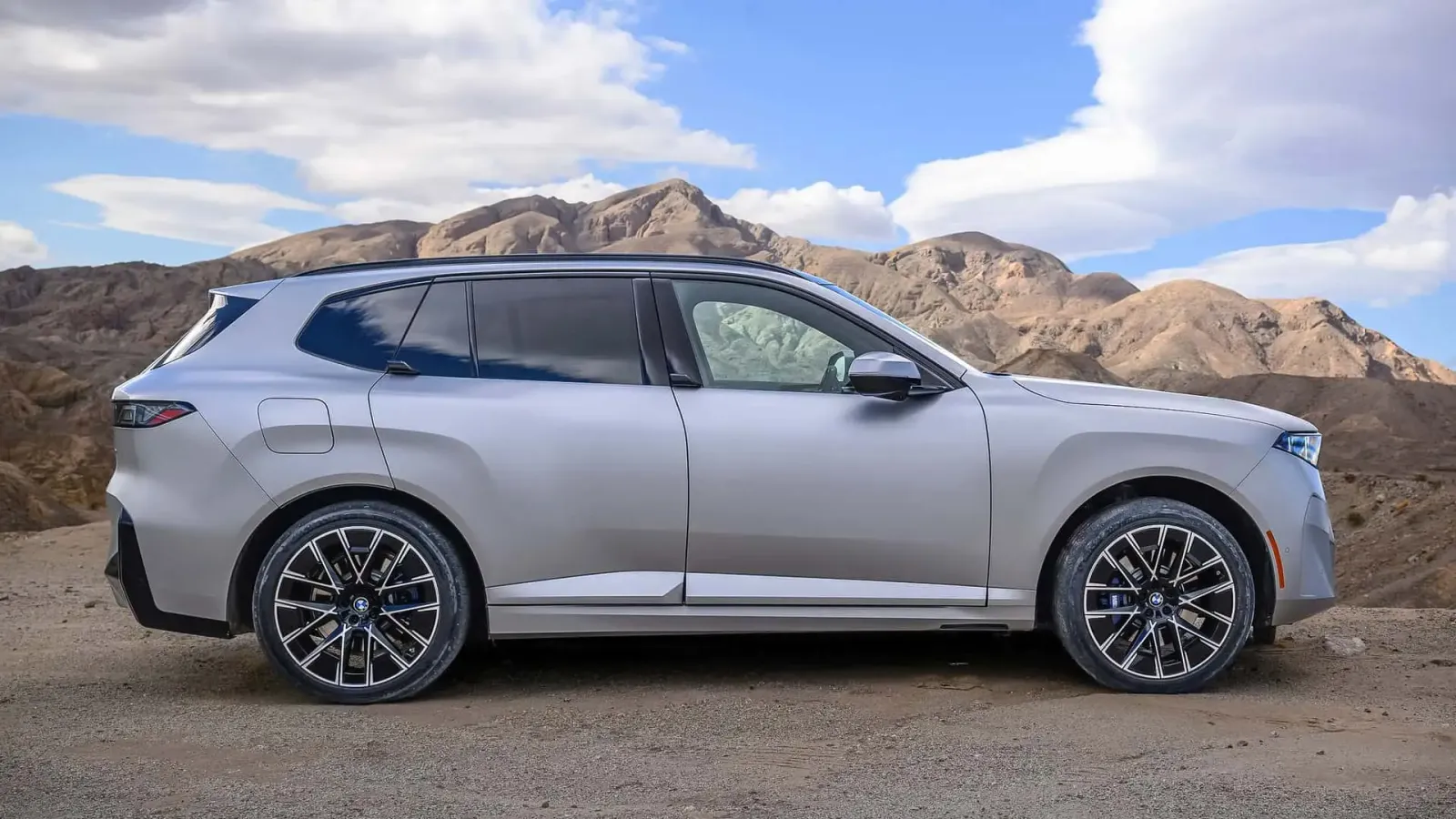
The fifth generation of the X5 is 4.99 meters long, 2.00 meters wide, and 1.75 meters high. It also features a substantial wheelbase of 3,035 mm. The differences from the predecessor include approximately 6 centimeters more in length and wheelbase. The car was already incredibly wide even before this update.
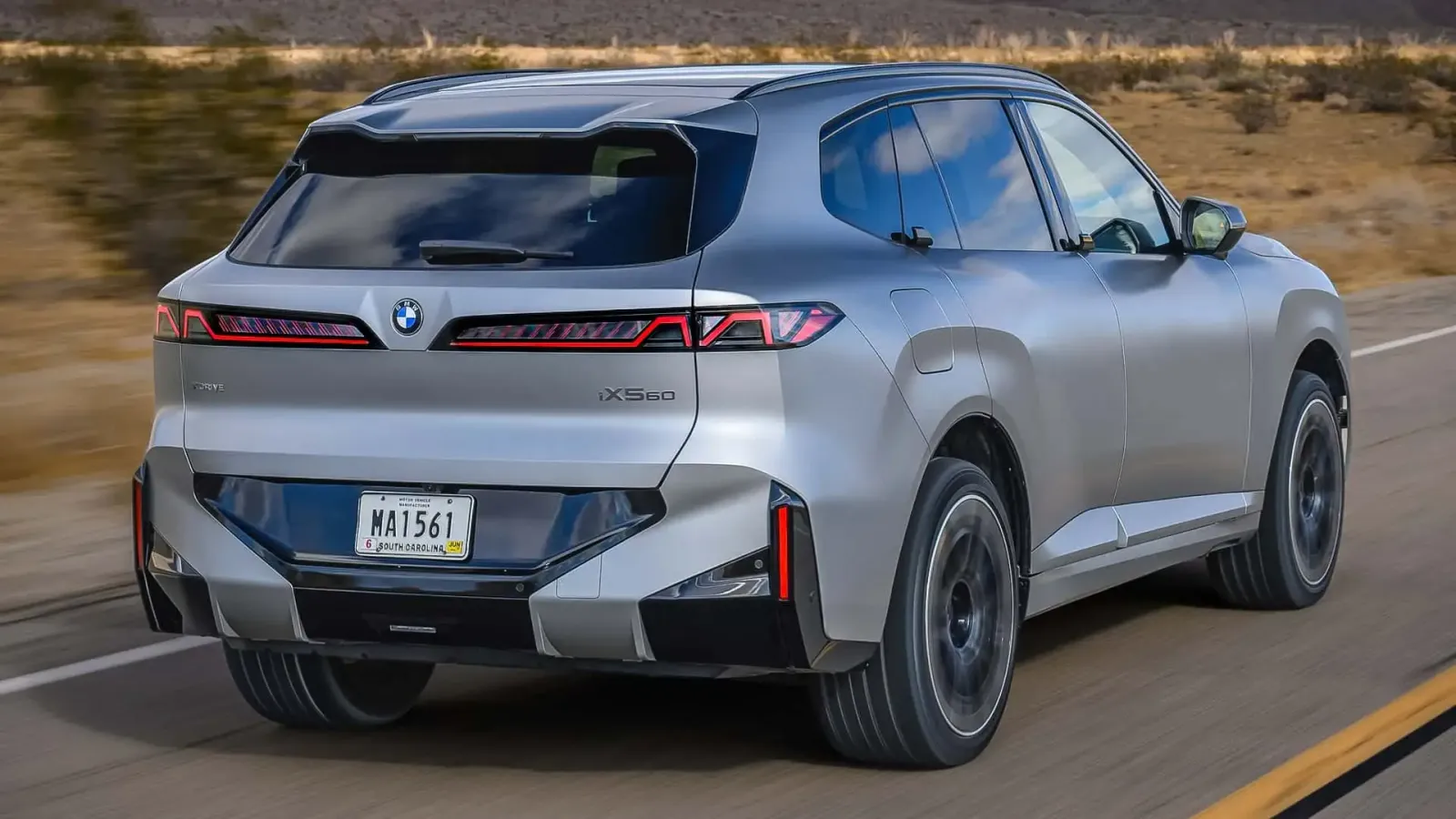
The electric and internal combustion engine versions look almost identical. Only the larger air intakes on the front bumper indicate that it is still powered traditionally. I leave it to you, dear readers, to judge the design quality of the X5. One thing is clear: it likely won’t win many awards for elegance. Still, the front end appears very focused and cohesive, while the rear end... well, it’s just so-so.
Cockpit: Unconventional, but excellent
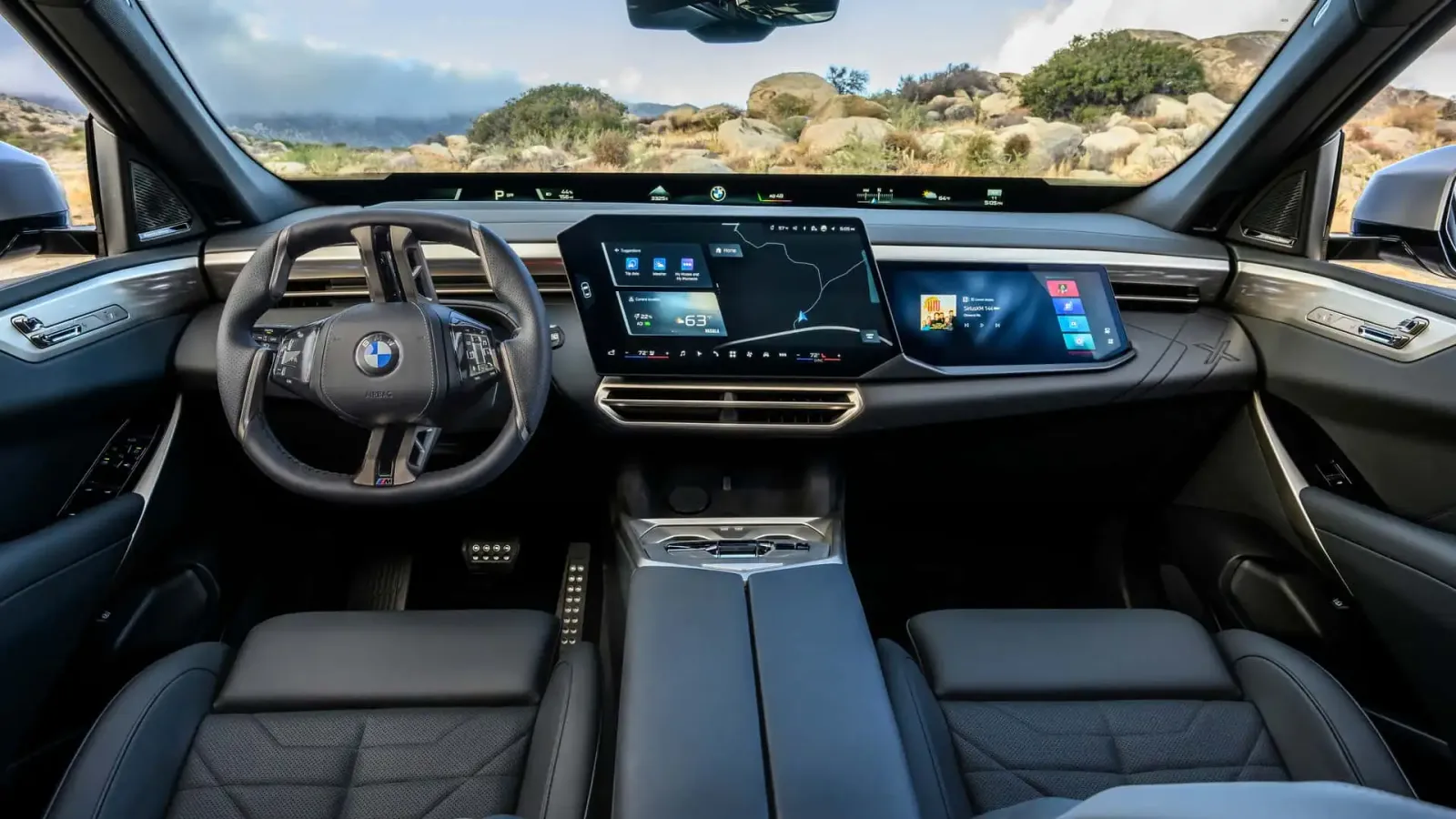
A lot has been written, criticized, and complained about since BMW introduced its radically redesigned interior for the new class in the iX3. What is that strange strip running across the entire windshield at the bottom? Why does the infotainment screen look so odd? Why are there no proper buttons anymore, and what on earth is that strange little steering wheel? That’s what the shocked traditionalists say. Everyone who has tried the new system definitely doesn’t want the old one back. That’s what BMW says.
BMW iX5 60 xDrive (2026) in Test
Image by: BMW
Regardless of the user interface, what stands out upon closer inspection of the X5’s interior is that certain materials have been used here that simply have no place at all in this price range (configuring a five-figure X5 is practically impossible).
Strong Towing Capacity
The trunk volume is almost identical across the board, ranging from around 650 to 1,850 liters for the conventional gasoline models and the electric iX5, with the electric version adding an additional 53-liter front compartment. The two plug-in hybrids offer significantly less, at 525 to 1,680 liters.
As for towing capacity, the iX5 can pull up to 2.7 tons, while the 40 and 40d models can handle 3 tons. Those needing more capacity must turn to the PHEVs, which can tow up to 3.3 tons.
Cozy and Plush
We start with the iX5, whose 2.9-ton weight raises serious doubts about its suitability for brand-typical driving dynamics. As was hardly surprising, these doubts are largely unfounded. I’ll spare you the usual explanation about how much heavier battery packs in electric vehicles’ floors improve weight distribution, and instead tell you what to expect in reality.
BMW iX5 60 xDrive (2026) in Test
Image by: BMW
In any case, it’s a car that falls more on the comfortable side of Bavaria’s suspension tuning scale. All test vehicles were equipped with the optional air suspension, so we still don’t know how the G65 performs with the standard suspension. Additionally, the electric X5 also had roll stabilization installed.
This setup turns out to be a real hit in terms of comfort and driving dynamics. The iX5 moves with great agility, displaying dynamic elegance, richness, and damping quality that are unmatched in its class.
The big electric SUVs from competitors:
It represents a driving behavior that is quite unusual for a BMW. One thing must be clear to you: its extremely high weight can never be hidden by the iX5. It always appears heavy and bulky. When forced to take corners more swiftly, it has to do a lot to maintain control. It manages to do so, in large part thanks to a very precise, responsive, and intuitive steering system.
The detailed driving review of the new iX5, along with comparisons to its internal combustion engine variants and all prices, can be found on our sister site Motor1.com Deutschland.