
BMW and partners are developing near-series solutions to enhance recycling in the vehicle manufacturing industry
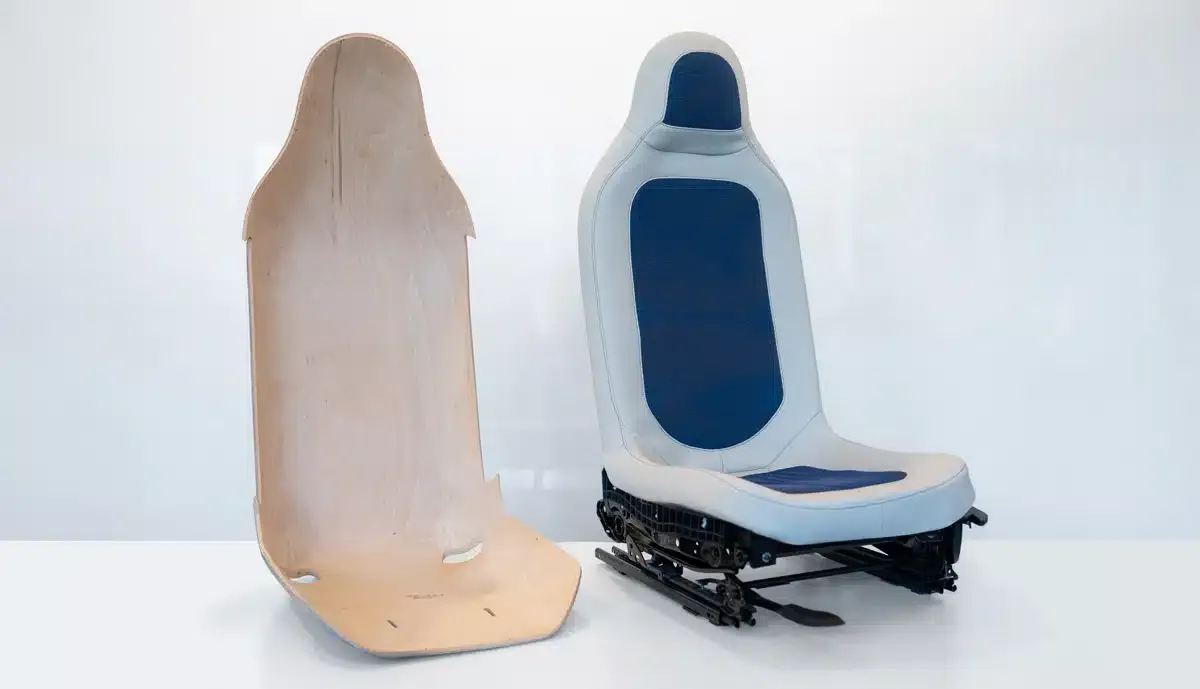
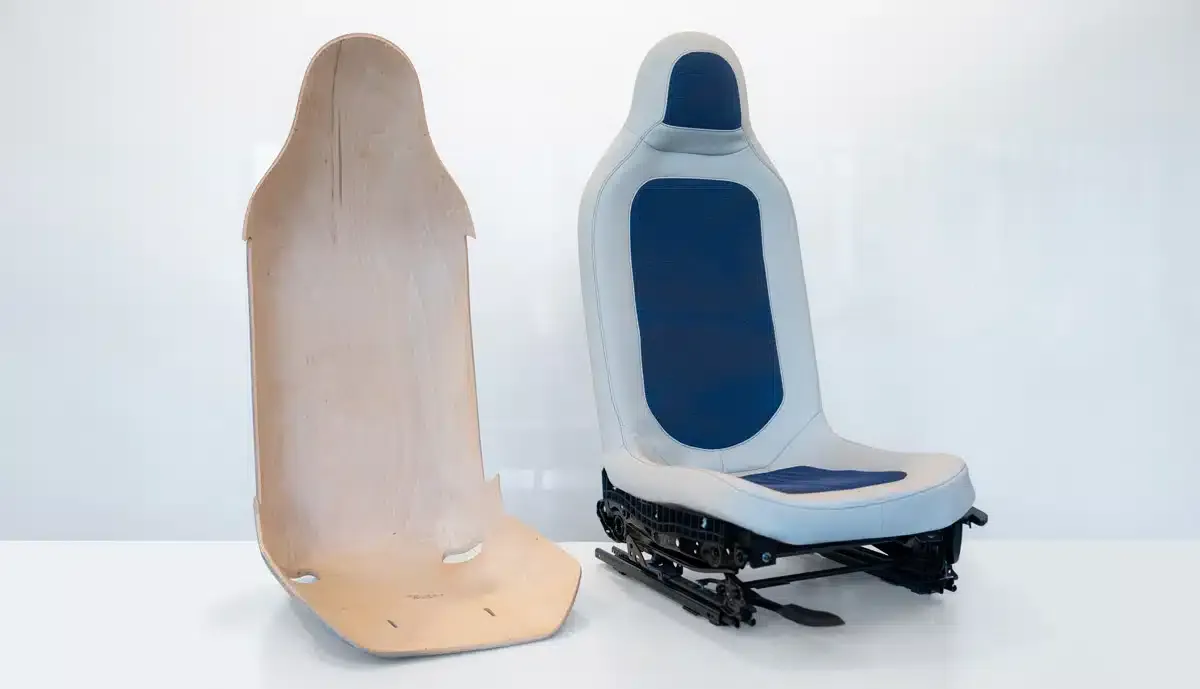
Image: BMW
The BMW Group worked for three years alongside companies and research institutions from various industries on the “Future Sustainable Car Materials” (FSCM) research project to develop new material solutions for the automotive industry. Funded by the German Federal Ministry for Economic Affairs and Climate Action, the project covered areas such as plastics, metals, digitalization, and design for circularity. The goal was to create production-ready developments that could close material loops and reduce CO₂e emissions in the long term.
In the field of plastics, the project partners investigated the use of recycled materials in large component groups without compromising safety, quality, and functionality. Materials that reduce CO₂e emissions were developed for instrument panel mounts, lighting fixtures, and trim parts and compared with existing mass-produced components. In selected applications such as instrument panel mounts and rear lights, significantly higher proportions of recycled materials could be achieved, while limitations still exist for light-emitting or electrically conductive components.
In the realm of metals, FSCM focused on steel and aluminum, as well as material savings and higher recycling rates. Demonstrators for safety-critical body structures showed that materials can be used more efficiently without compromising crash safety and quality requirements, according to BMW. The use of more sustainable metal solutions remains subject to technical and safety-related constraints.
In the field of digitalization, a data and information platform has been created that aggregates and makes comparable material properties, test results, and sustainability criteria. This enables decisions regarding recycling rates, quality, and usage limits to be made early based on reliable data. The developed tools aim to integrate sustainable materials more reliably into the automotive development process.
New design concepts for circular vehicles
Design for Circularity began with the design of components and vehicles from the outset. According to the developers, these concepts aim to reduce materials used, integrate functions efficiently, and enable easy separation and recycling at the end of the vehicle’s life cycle. Demonstrators such as a basket-style seat, a wood-cork cockpit, and a new door trim showcased the use of alternative materials and material savings while maintaining high energy absorption capabilities.
Across all business areas, material, process, and design approaches have been developed to achieve more efficient resource use, closed material loops, and production-ready solutions. Among the BMW Group’s principles are Design for Circularity, utilizing resources over multiple life cycles, employing high-quality recycled materials, and reducing dependence on primary raw materials. Project leader Martin Derks said, “Reducing emissions and closing material loops is not enough in research. What’s crucial is that new materials are also viable for mass production in the future.”
BMW explains that the transition of material innovations from research to ready-for-series production is demonstrated, among other things, by the models of the “Neue Klasse” electric vehicle platform. For instance, the new iX3 50 is composed of secondary materials accounting for about one-third of its structure. This includes aluminum cast components such as swing brackets and wheel arches, which contain 80 percent secondary material in the case of the wheel arches and swing brackets, as well as aluminum cast wheels with 70 percent secondary aluminum content.
Also interesting
About the author
Thomas Langenbucher is an expert in electromobility with experience in the automotive and financial industries. Since 2011, he has been covering electric vehicles, sustainable technologies, and mobility solutions for ecomento.de. Learn more.
Reader interactions