
BMW is preparing a new electric Series 1 for 2028 with Neue Klasse technology
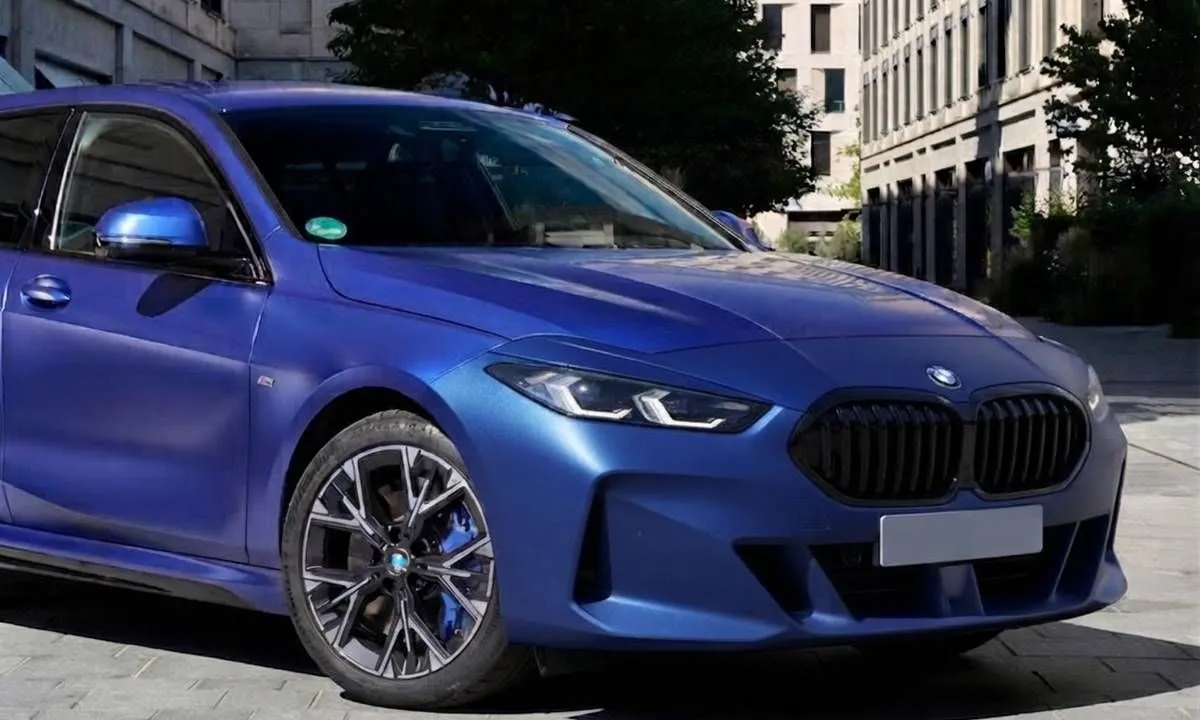
BMW is preparing a major refresh of its lineup for the coming years. The German brand aims to regain ground in some of the highest-volume segments while reorganizing its offerings to better suit the characteristics of each market. Europe will play a particularly important role in this new strategy.
One of the most interesting developments will be a new compact model equipped with the Neue Klasse platform technology. This car will be especially significant for the brand as it will occupy a tier in its lineup accessible to consumers, competing with conventional internal combustion engine options.
The arrival of this model is scheduled for 2028, and it is expected to be the electric successor to the BMW Series 1. The company has not yet confirmed all details, but it has made clear its intention to strengthen its presence in the highest-volume compact segments.
An electric Series 1 that will return to rear-wheel drive
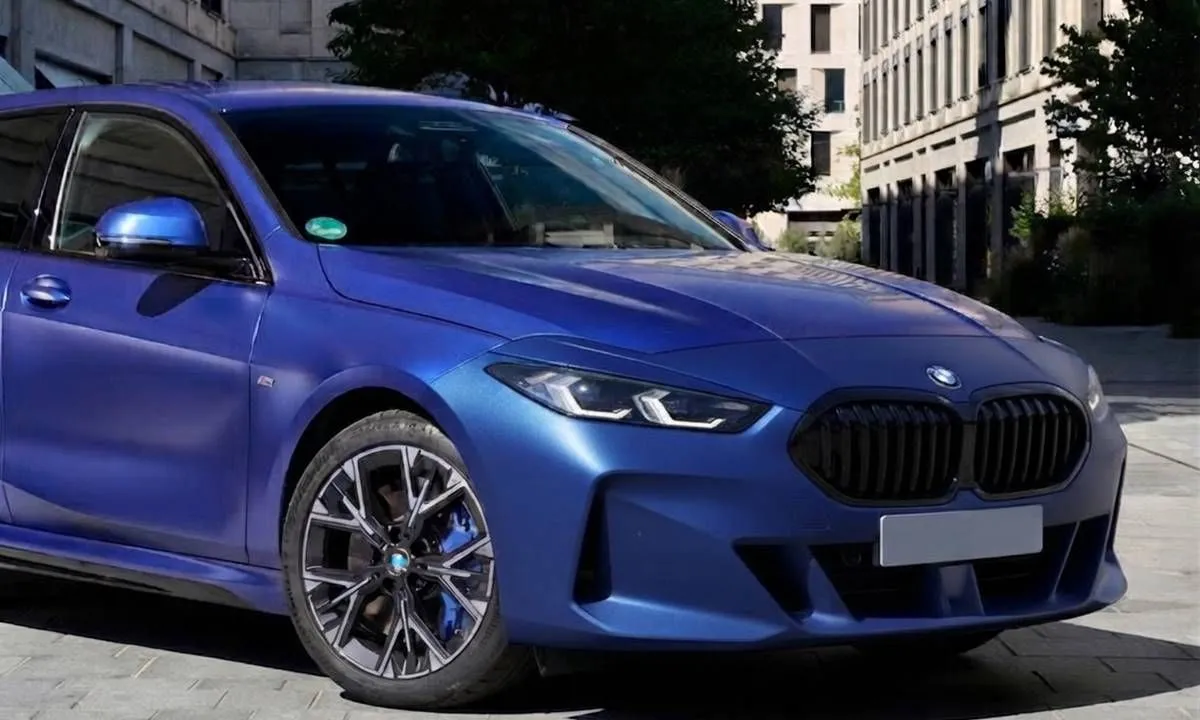
The future electric BMW Series 1 will be based on the Neue Klasse architecture, which already powers models like the BMW i3 and BMW iX3. This suggests a significant change from the current generation of the Series 1: the entry-level versions of this new electric model will use rear-wheel drive.
This is a particularly interesting configuration for a compact BMW model, as it restores one of the brand’s historical identifiers in a segment where it had been overshadowed by the rise of front-wheel-drive platforms. Autocar previously reported that the fifth generation of the Series 1 was expected for 2028, and now BMW has officially confirmed the arrival of a new compact model based on the Neue Klasse.
The new model, which is likely to be named the BMW i1, will not necessarily replace the entire Series 1 lineup. BMW will maintain a differentiated range, with the future electric compact coexisting alongside a combustion-engine variant that will share a similar design but a different technical foundation.
The strategy is part of a broader change within BMW. The company aims to tailor its products much more closely to the specifics of each region, rather than offering exactly the same range in all markets. This will involve significant changes to the engines available depending on the country or region, as well as a reduction in the total number of variants.
Europe will be one of the markets where BMW will focus on compact models. The brand believes there is room for growth in higher-volume segments and is preparing a new generation of electric products to compete in a category where pressure from European, American, and Asian manufacturers is increasing steadily.
The move also aligns with the expansion of the Neue Klasse platform. BMW is using this architecture as a foundation for much of its next generation of models, with the BMW i3 and BMW iX3 being some of its first representatives. The new European compact car will enable this technology to reach lower segments of the range.
In China, the approach will be different. BMW aims to increase the number of Neue Klasse models manufactured locally and reduce imports to only those products that generate higher profits. The company also wants to increase the local production content in its vehicles for the Chinese market, especially in areas related to technology.
This regionalization will have another consequence: BMW will reduce the number of variants and discontinue some less profitable models. The manufacturer has not yet disclosed the full list of affected products, but it has confirmed that the BMW Series 2 Active Tourer will have no successor when its production cycle ends.
This strategic shift does not apply only to cars. BMW has also announced an internal reorganization aimed at cutting costs and speeding up development and manufacturing processes. The company plans to systematically use artificial intelligence tools for specific tasks, while simplifying its structure and reducing the number of divisions and associated management positions by 20% by mid-2027.
BMW aims to improve its profitability through these measures and restore an operating margin of 8% to 10% in its automotive division by the beginning of the next decade. As part of this process, the company is also reviewing its business structure and the way it develops and manufactures its future models.
The new strategy also includes turning Alpina into an independent brand positioned between BMW and Rolls-Royce, thereby strengthening its premium segment. Meanwhile, BMW wants to focus its resources on those models and segments where it sees the greatest potential for profitability.
Therefore, the future BMW Series 1 electric vehicle will be much more than just a new entry-level model. It will be one of the key vehicles through which BMW aims to regain its presence in the European market while expanding its Neue Klasse technology to higher-volume segments. Its arrival is scheduled for 2028, though we still have to wait to see its final design, technical specifications, and positioning within the range.
BMW’s new approach thus makes the future compact electric vehicle a particularly important asset for Europe. The brand wants to regain prominence in higher-volume segments by introducing a new generation of electric cars developed specifically to meet the needs of each market.
