
BMW prepares its hydrogen SUV for mass production: 750 km range and less than 5 minutes to refuel
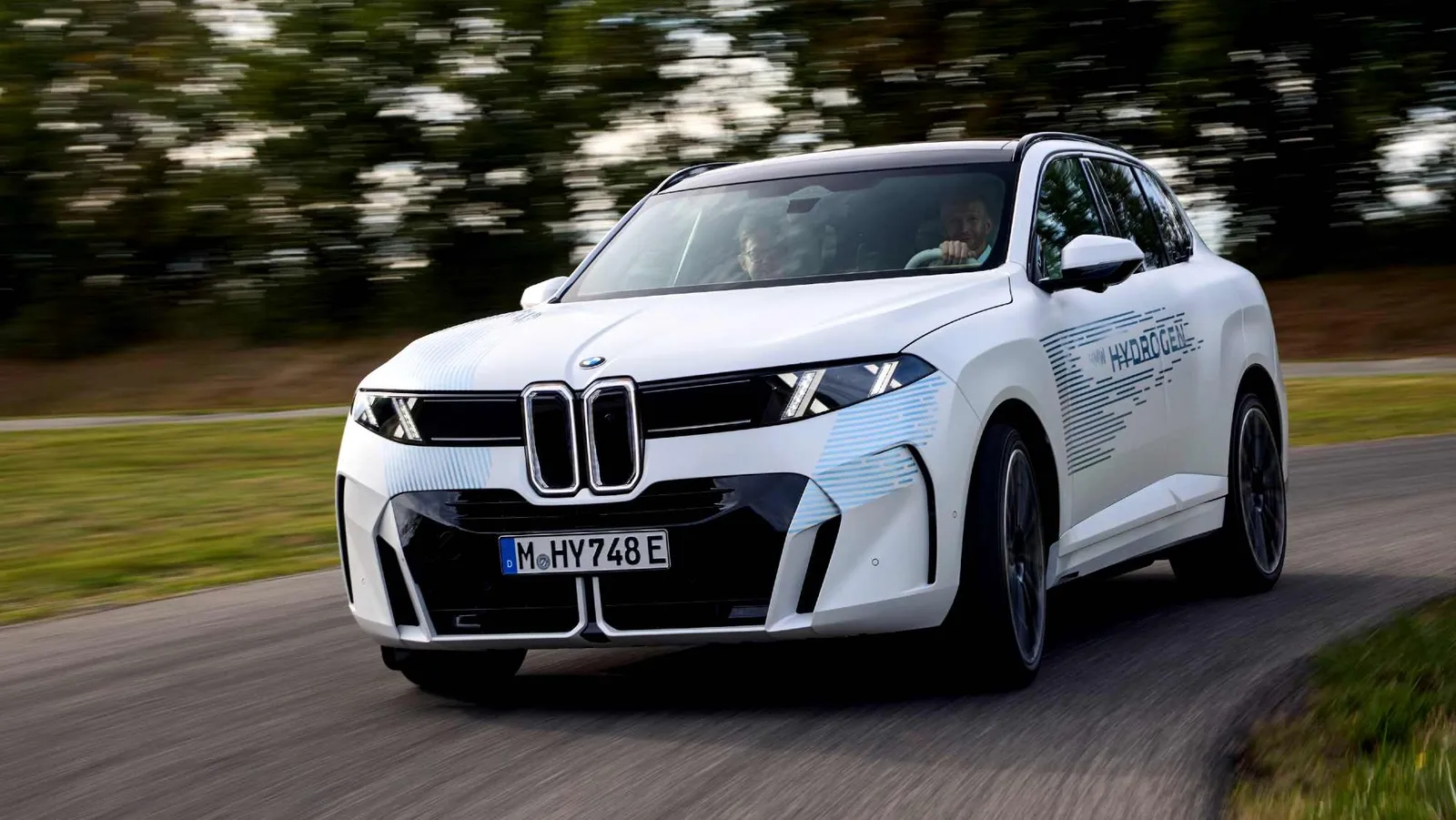
Following the launch of the fifth-generation BMW X5, the German brand has now taken the next step in this model’s history: it has begun developing the iX5 Hydrogen, the fuel cell version through which the German manufacturer aims to bring hydrogen to mass production.
The prototypes are currently undergoing a testing program designed to evaluate the vehicle’s performance under demanding conditions, while the third-generation fuel cell system is also advancing toward mass production.
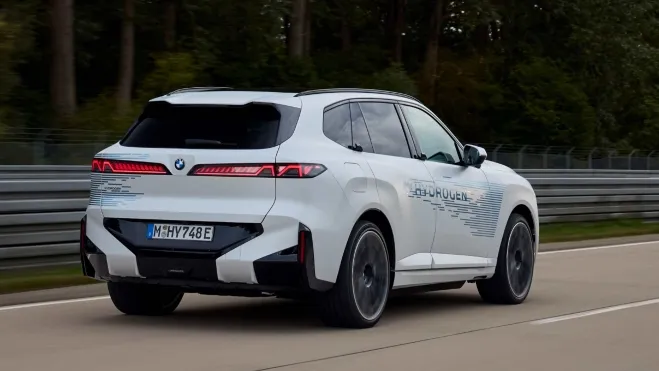
Work is progressing on two fronts
The Munich Hydrogen Competence Center has entered a new phase of fuel cell prototype assembly, while Steyr’s engine plant in Austria is preparing the equipment, processes, and workforce needed to undertake the mass production of these systems in the future.
The tests on the iX5 Hydrogen focus on evaluating how well the fuel cell, electric motor, high-voltage battery, BMW Hydrogen Flat Storage hydrogen storage system, and Energy Master—responsible for managing the high-voltage electrical system—work together. The company aims, among other things, to optimize energy recovery and maintain the vehicle’s performance even when the system operates under heavy loads.
According to Josef Hochreiter, head of hydrogen vehicles at BMW Group, the goal is not only to prove that the system works but also to do so while maintaining the brand’s dynamic driving characteristics. “Our ambition for the BMW iX5 Hydrogen is clear: a true BMW with pure driving pleasure. To achieve this, it’s essential to have a perfectly coordinated overall system. Current tests show how the fuel cell system, high-voltage battery, and electric powertrain are already successfully integrated, and how we are systematically developing the technology for series production,” he explains.
BMW expects the future iX5 Hydrogen to be able to accelerate from 0 to 100 km/h in less than five seconds, a figure that would place it at a performance level similar to the battery-powered iX5. The brand also aims for a range of up to 750 kilometers and a refueling time of under 5 minutes.
Path to industrialization
In Munich, the new fuel cell assembly phase will be used to refine manufacturing methods and testing before transferring that knowledge to Steyr. The previous stage allowed for testing the viability of producing various components and advancing supplier qualification; now the focus is on achieving repeatable and efficient processes that can be applied to the production line later.
In Steyr, the first testing benches and manufacturing equipment have already been installed, and staff training has begun gradually. The Austrian plant will be responsible for mass-producing fuel cell systems, making the X5 one of the most versatile models in the brand’s entire lineup. It already comes in microhybrid, plug-in hybrid, and fully electric versions, with a hydrogen fuel cell option to be added soon.
"Prototype assembly is much more than just manufacturing individual components. Each phase helps us optimize processes, gain experience, and systematically share this knowledge with Steyr’s teams. In this way, we are laying the foundation for the next steps on the path toward industrialization," says Claudia Stephan, Director of Fuel Cell Technology Development and Prototype Assembly at BMW Group.