
BMW launches a major cost-cutting plan: it will reduce its workforce by 20% and one of its well-known cars will have no successor
30/09/2026 20:00
Updated to
30/09/2026 20:00
BMW has announced a major restructuring aimed at restoring profitability and navigating the increasingly challenging environment for European automakers. The German company plans to cut 20% of its divisions and related management positions by mid-2027, while simplifying its vehicle lineup.
The manufacturer will also reduce the number of variants available in its catalog and has already confirmed one of the first consequences of this strategy: the BMW Series 2 Active Tourer will not have a successor. These changes are part of the new strategic plan presented by Milan Nedeljković, who took on the role of BMW’s CEO last May.
BMW Wants a Smaller and Simpler Structure
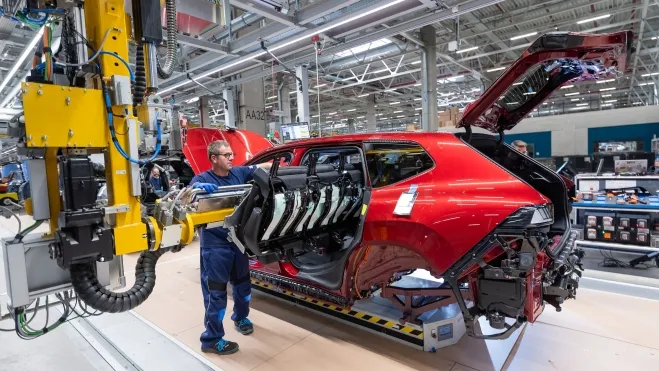
The German brand aims to cut the number of company divisions and associated management positions by a fifth by mid-2027. A similar reduction is planned at lower organizational levels, according to goals outlined by the manufacturer during its meeting with investors. This move builds on BMW’s existing workforce reduction program in Germany, which is expected to affect around 8,000 jobs.
The company seeks to simplify its structure and speed up decision-making at a time of particular strain for Europe’s automotive industry. Weak demand, increasing competition from Chinese manufacturers, and U.S. tariffs are putting pressure on the group.
BMW's situation in China is particularly significant. The manufacturer has issued three profit warnings related to this market's performance over the past three years, as Chinese buyers increasingly favor domestic brands.
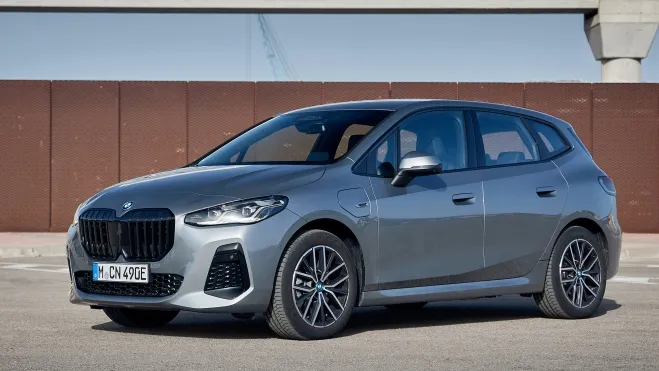
Cost cuts will also affect the product lineup. BMW aims to reduce the number of variants it currently offers and has confirmed that there will be no new generation of the Series 2 Active Tourer. The discontinuation of this model reflects the changes taking place in the market. BMW intends to tailor its offerings to the varying needs of different regions and focus its resources on segments it deems most important for the coming years.
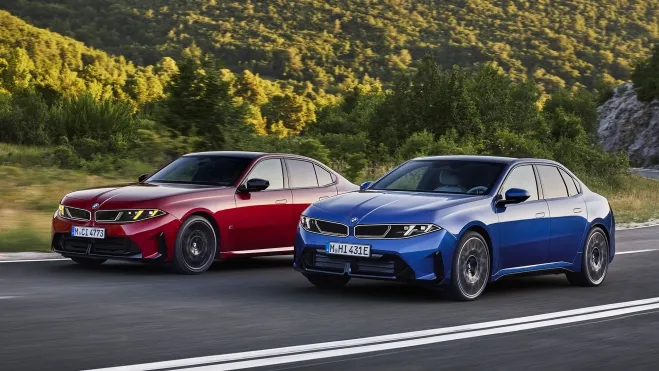
In Europe, for example, the company will launch a new 100% electric entry-level car belonging to the Neue Klasse family in 2028. Meanwhile, in the United States it will pursue a very different strategy. BMW is preparing a new luxury SUV that will be positioned even above the current BMW X7. The company’s plant in Spartanburg, South Carolina, is currently operating at full capacity due to high demand for this type of vehicle, so it also wants to increase SUV production in other regions.
BMW wants to restore its profitability
All of these changes serve a very specific economic goal. BMW aims to achieve an operating margin of between 3% and 5% in its automotive business by 2028, generating over 5.000 million euros in free cash flow. The target for the beginning of the next decade is even more ambitious: to restore an operating margin of between 8% and 10% and exceed 7.000 million euros in free cash flow. The difference from the current situation is significant. By 2026, BMW expects an operating margin of only between 1% and 3%, with free cash flow exceeding 2.500 million euros.
On the other hand, China will be another pillar of this reorganization. BMW will increase local production there for its highest-volume vehicle segments and limit imports mainly to models that offer the greatest profit margins. By 2030, at least 95% of locally manufactured vehicles will be specifically tailored to meet the preferences of Chinese consumers. Currently, this proportion is slightly below 90%.
This reorganization will not be limited to streamlining structures and models. BMW aims to significantly expand the use of artificial intelligence across virtually its entire value chain. The company intends to apply this technology from the initial definition of vehicle technical requirements through to testing and final validation. The goal is to simplify processes, reduce timeframes, and accelerate decision-making.
BMW will also expand its driving assistance systems. Germany will be one of the first markets to receive navigation-guided assistance features under the new DCAS regulation, before gradually rolling them out to other countries such as the United States.
Finally, the manufacturer will seek new partnerships, even with other European competitors, to ensure a supply of raw materials and components deemed strategic, including semiconductors.
