
BMW M will carry its motorsport heritage into the era of electric vehicles
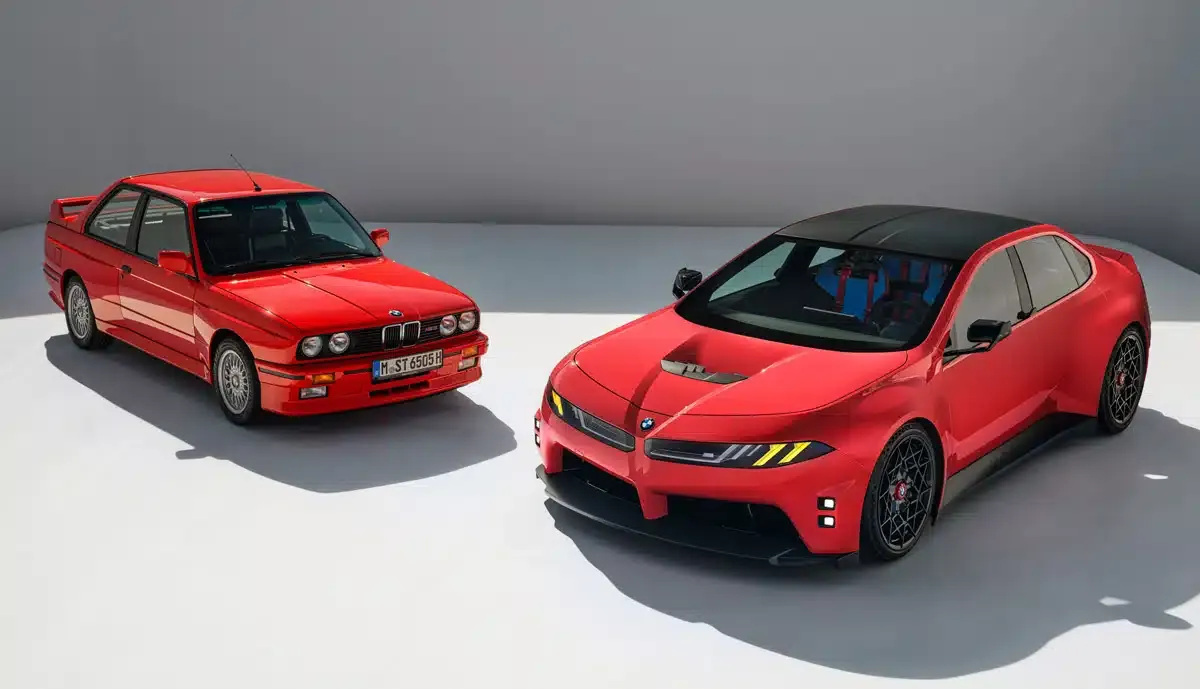
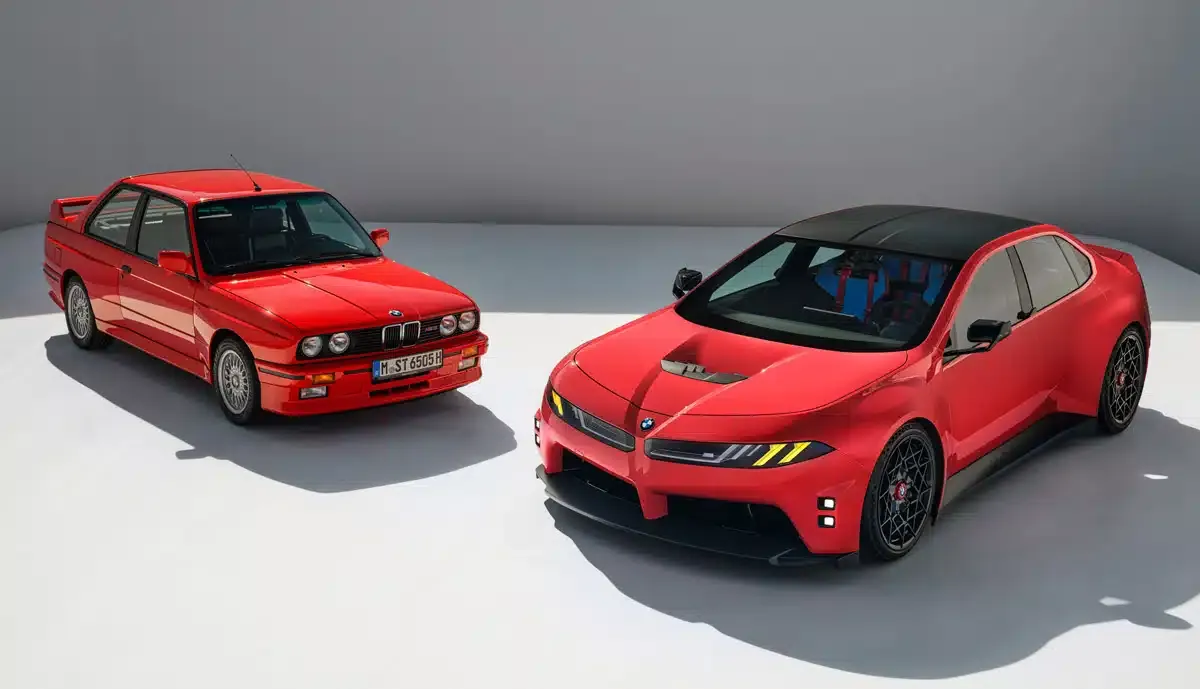
Image: BMW
Frank van Meel, CEO of BMW M GmbH, discussed the future direction of the sports division within BMW in the context of electric mobility during an interview with Motor1. He referenced the origins of the M brand, which stemmed from the need to homologate the E30 model for motorsport use. The goal has always been to integrate motorsport technology into production vehicles — so that customers don’t have to choose between sports cars and regular production models.
According to van Meel, the motorsport DNA and heritage of M will be preserved, with the principle “Form follows Function” applying to future M models as well. The BMW M Concept Neue Klasse will now continue this approach in an electric format. “We have the wide body, yellow lights from our special models and motorsport vehicles, tracklights similar to those on LMDh race cars, and aerodynamic elements from the M4 GT3. Inside, there are fiber-reinforced plastic bucket seats. We’ve been using this material in GT4 motorsport for years, and now it’s ready for series production,” explains van Meel.
The development of the electric car platform “Neue Klasse” offers the opportunity to implement new technical approaches. A fully electric high-performance vehicle is set to stand out in the future thanks to four motors, torque vectoring, centralized control, and custom software. The development of components such as high-voltage batteries and electric motors is intended to be “M-like.” According to the BMW M boss, this electric powertrain can be used to “create a fast and even better car.”
In addition to an electric future, BMW M plans to continue developing internal combustion engines. Inline six-cylinder and V8 engines are to meet the EU7 standard. According to van Meel, this is also done with customers who do not have charging facilities or prefer the sound of internal combustion engines in mind. The decision regarding the type of powertrain should ultimately rest with the customer.
Regarding the acoustic driving experience in electric vehicles, BMW’s M division head rejects a mere copy of existing sounds. A sound must fit the electric drive system and enhance its characteristics to create emotion. “The sound should amplify what is actually happening,” said van Meel.
The brand also adopts a specific approach when simulating gear shifts. Instead of replicating the mechanical drawbacks of traditional manual transmissions with torque interruption, it relies on different driving gears and throttle response curves. The goal is to provide the driver with feedback about load changes and speed without artificially limiting the advantages of the electric drive.
Also interesting
About the author
Thomas Langenbucher is an expert in electromobility with professional experience in the automotive industry and finance sector. Since 2011, he has been covering electric vehicles, sustainable technologies, and mobility solutions for ecomento.de. Learn more.
Reader interactions