
The BMW iX5, the first electric BMW X5 in history, has been unveiled. It features a battery of ~148 (141) kWh and an WLTP range of 845 miles.
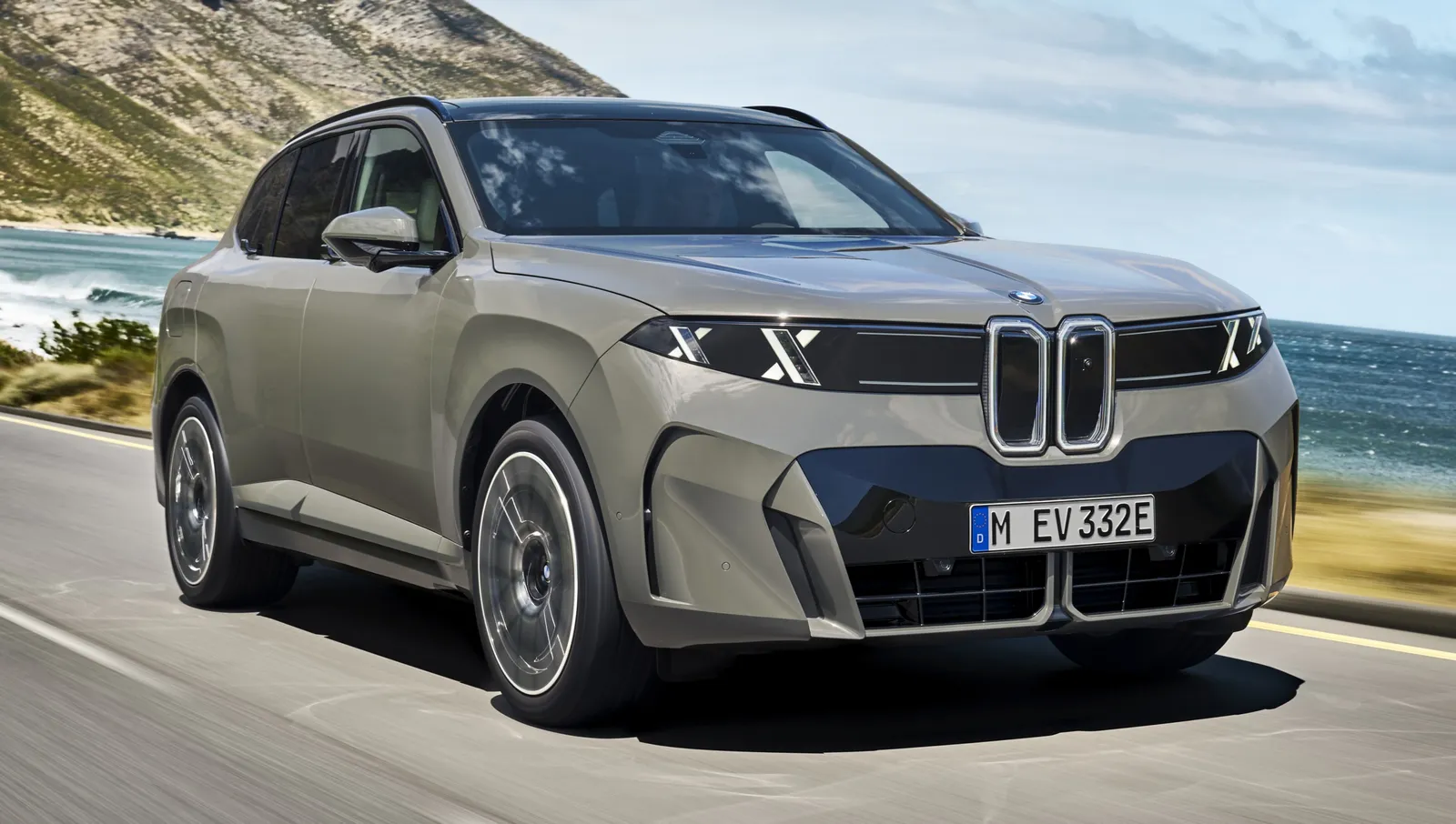
BMW officially unveiled the new BMW X5 and announced that the vehicle will come with as many as five different powertrains, including the electric version: the BMW iX5. The car will feature entirely new cylindrical cells, the 46120 (4.6 cm in diameter and 12 cm in height), which will give its battery a total capacity of around 150 kWh. The usable capacity is 141 kWh (the same pack in the United States, according to a slightly different measurement method, has a capacity of 144 kWh).
BMW iX5: Technical specs and everything we know
Table of contents
BMW iX5: Technical specs and everything we know
BMW iX5 vs Denza Z9 GT: Different technologies side by side
BMW iX5: Power, acceleration, prices
The BMW X5 is the progenitor of the entire X series, yet — or perhaps precisely because? — it resisted full electrification for a long time. Earlier, we saw as many as two generations of the BMW iX3 along with the BMW iX1/iX2, as well as the smaller BMW i4 and BMW i3. The debut of the BMW iX5 means that BMW now has an powertrain capable of driving even larger vehicles, including the BMW iX7 and future generations of the Rolls-Royce Spectre.
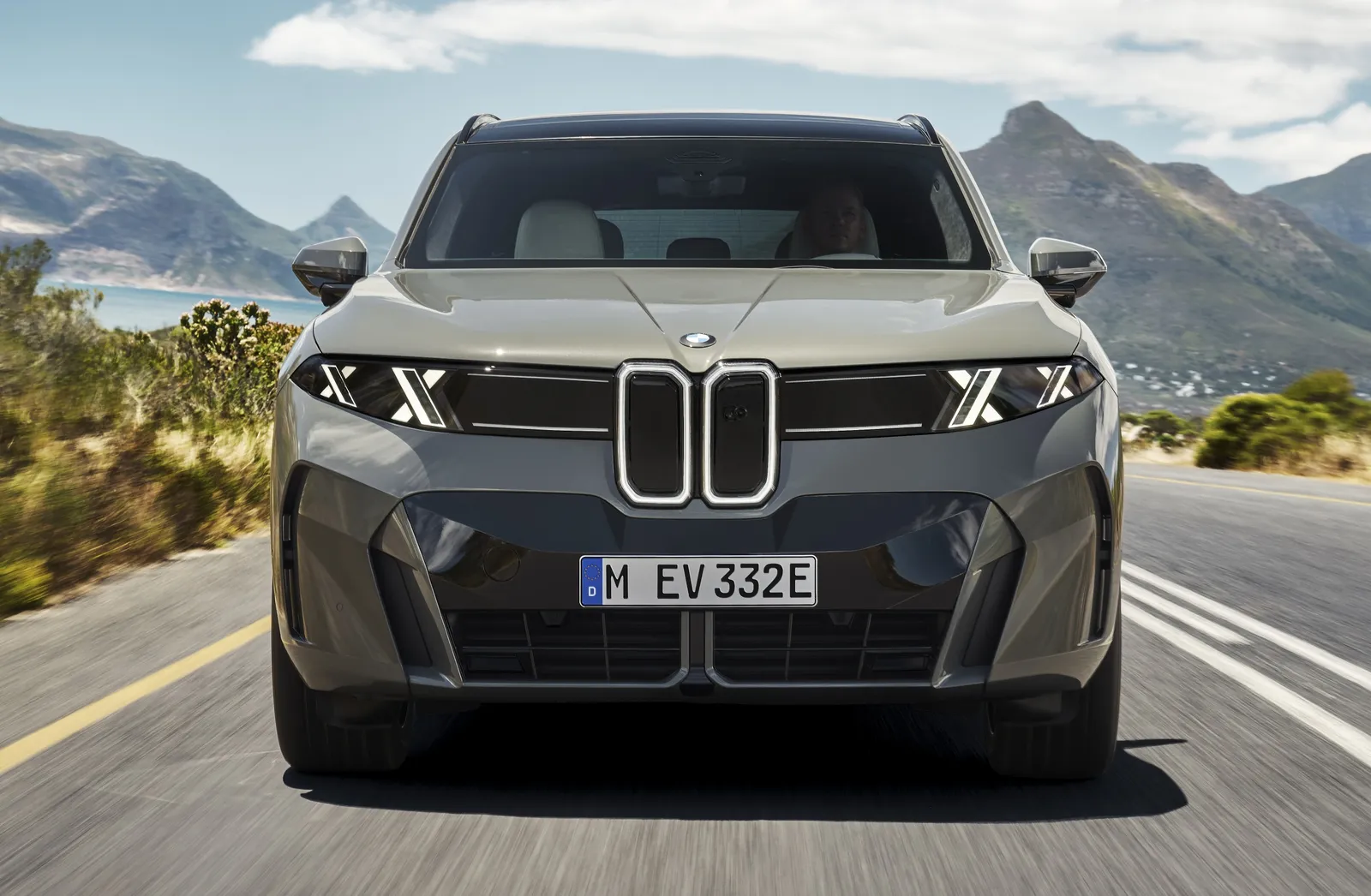
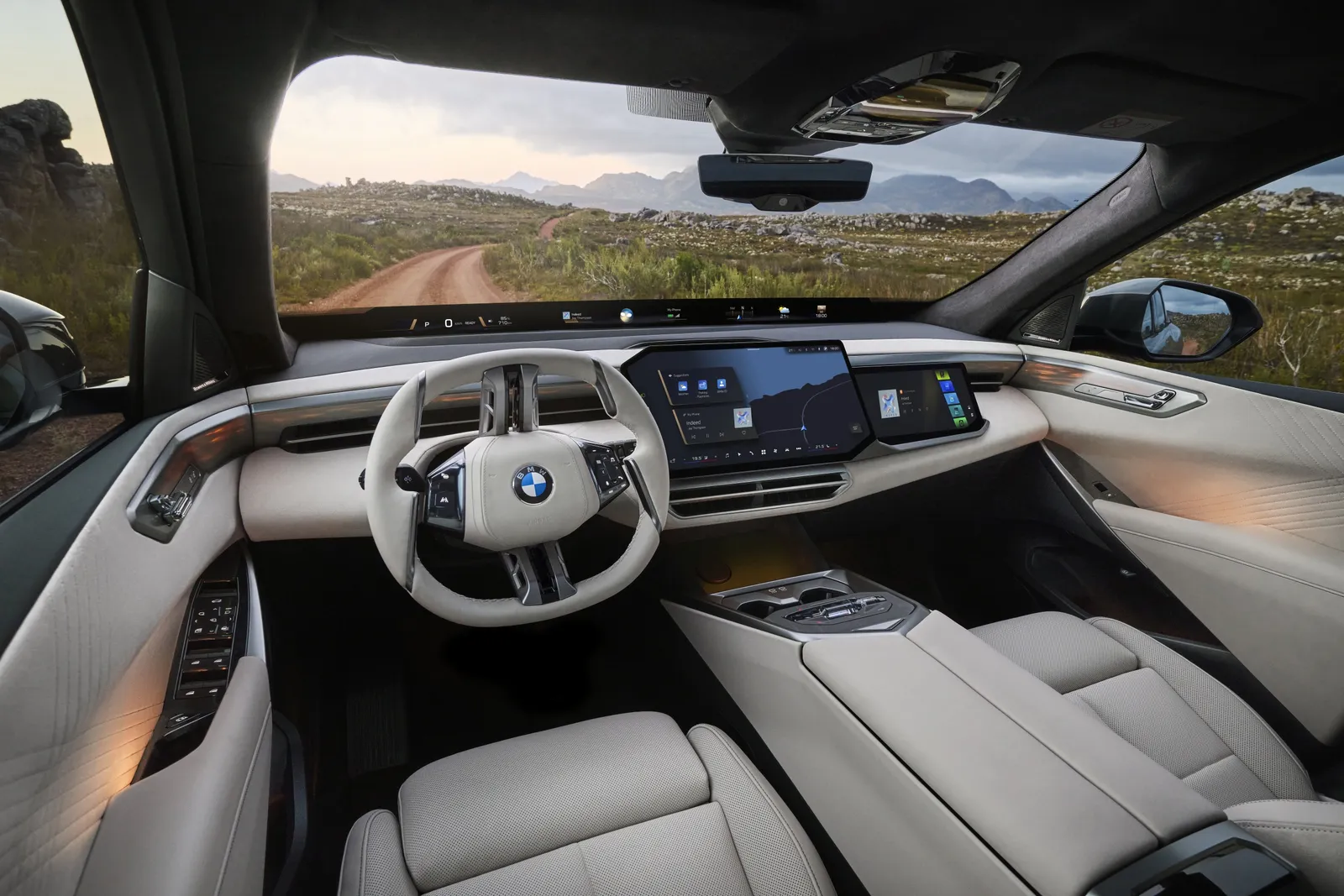
The BMW iX5 in full glory (c) and all other illustrations: BMW
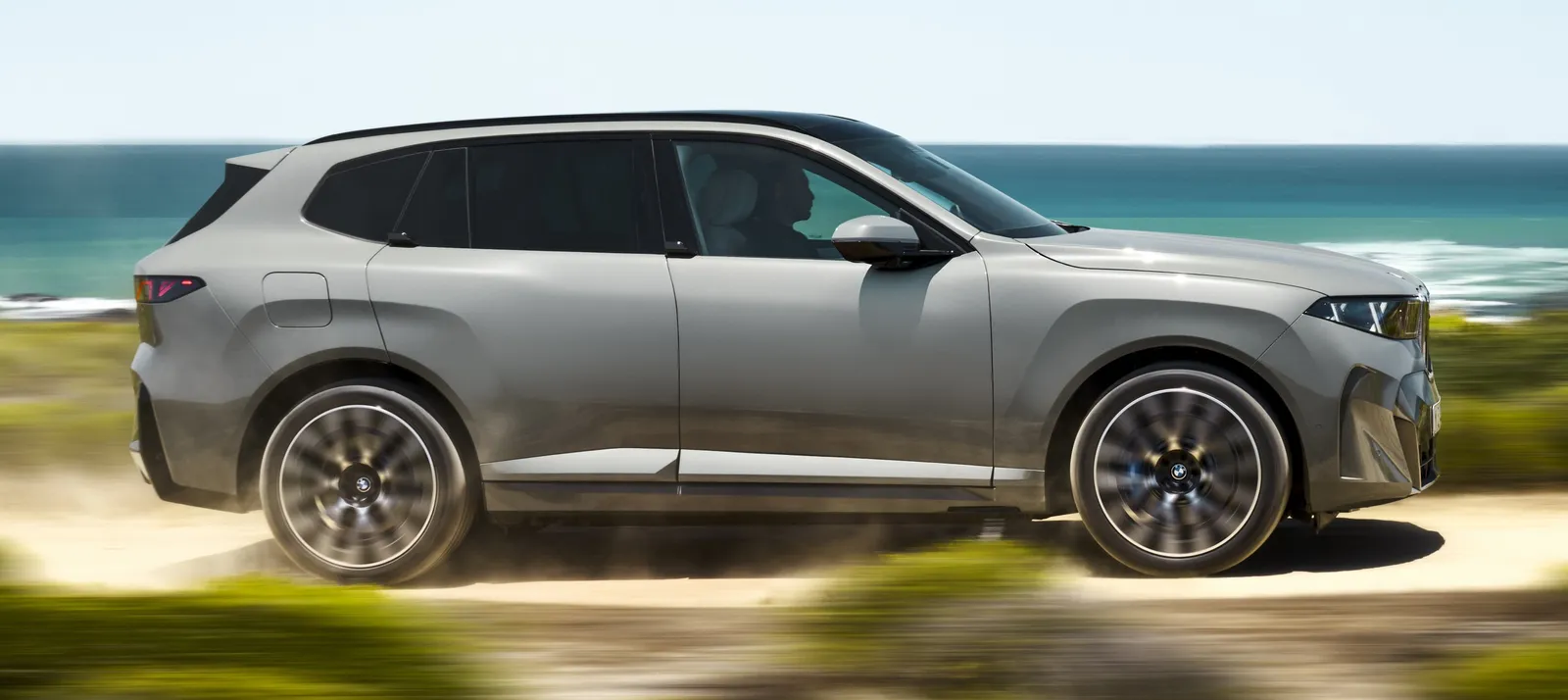
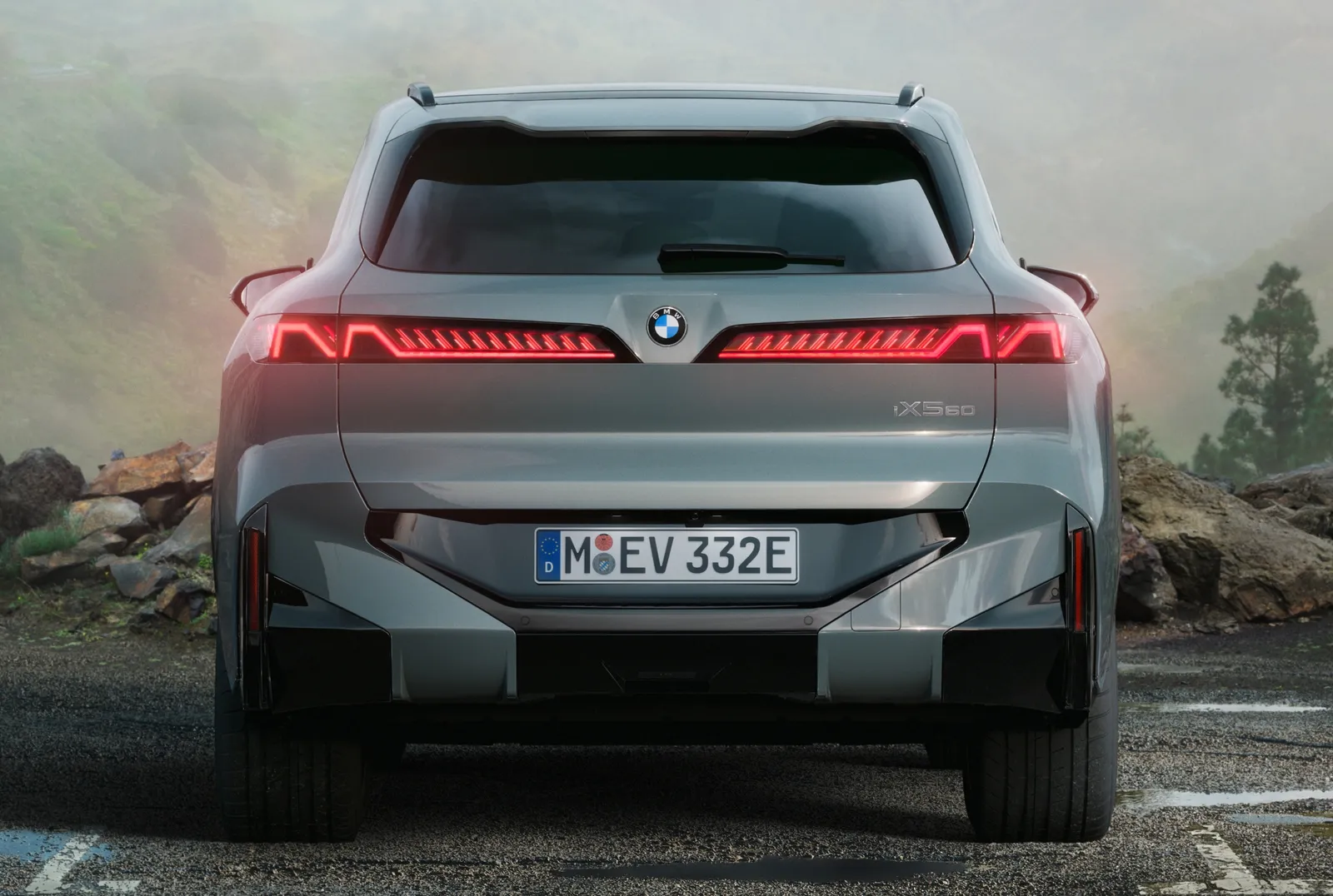
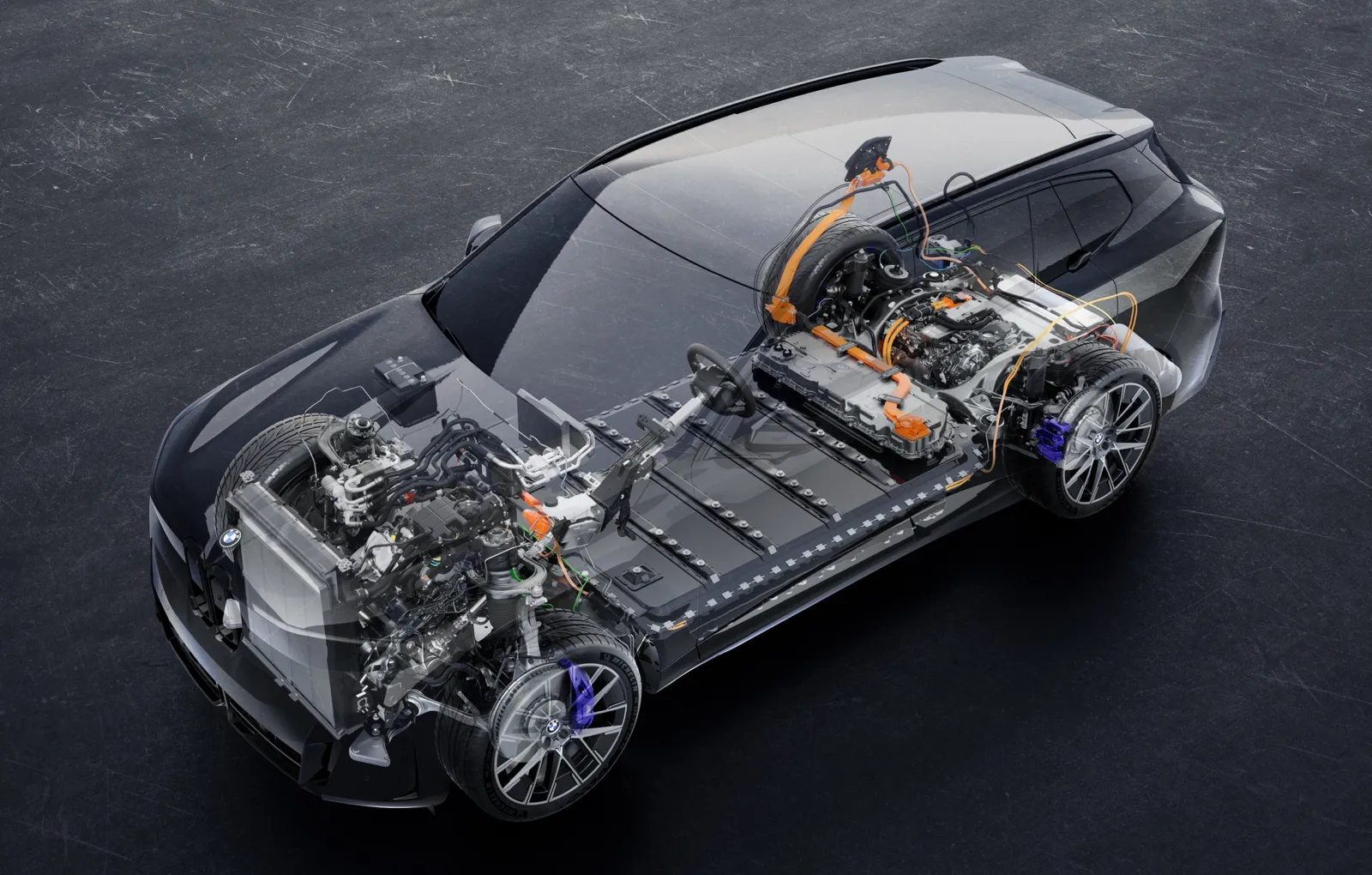
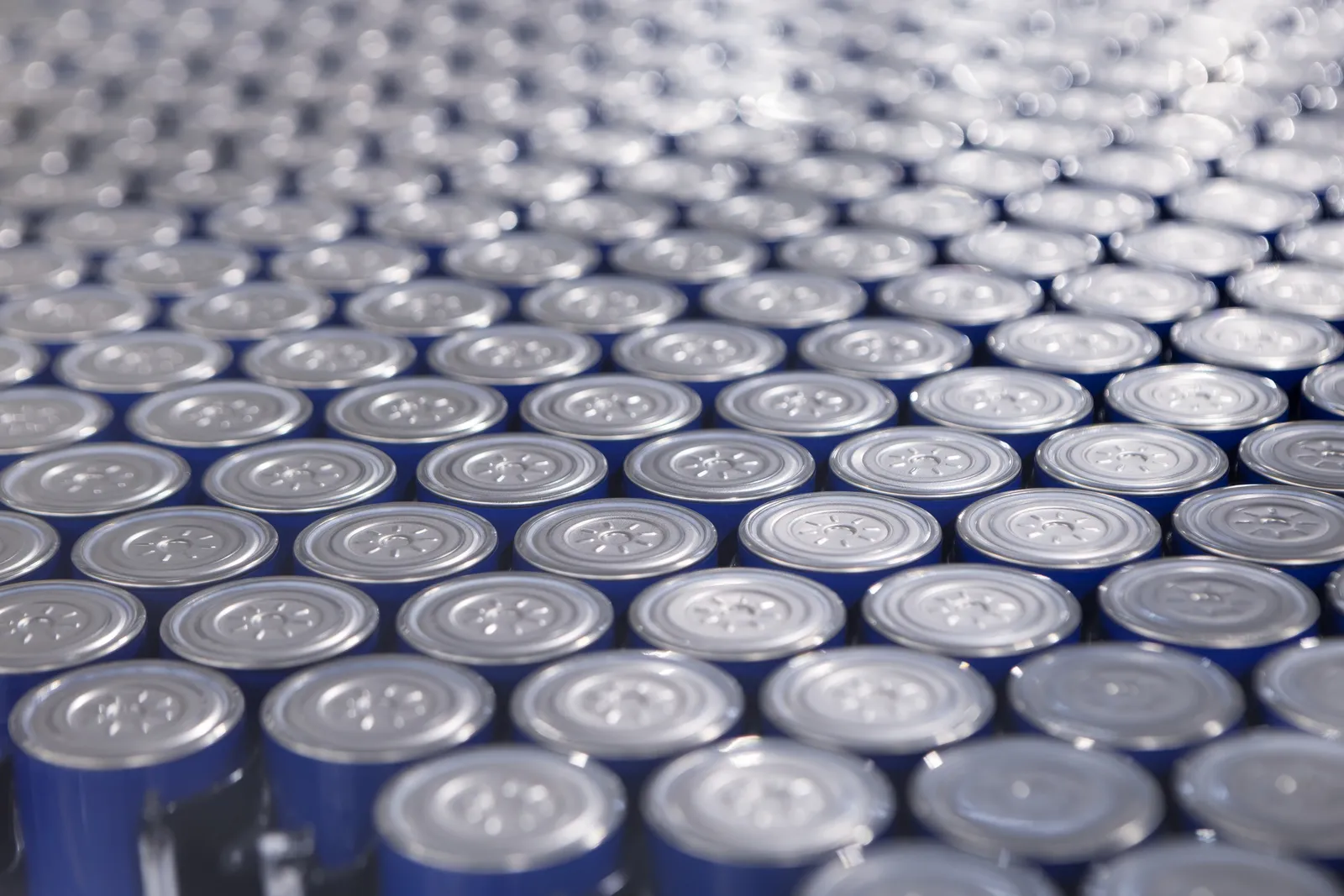
46120 cells
BMW has just officially unveiled the all-electric BMW iX5.
- Starting price: $81,250
- EPA Range: 435 miles
- 144 kWh battery
- Peak charging speed: 460 kW
- 0–60 mph: 4.4s
- 10–80% charge in 22 mins
- 570 hp
- 800v architecture
- Curb weight: 6,228 lbs
- Bidirectional… pic.twitter.com/FaTvdtJWBU
- Sawyer Merritt (@SawyerMerritt) June 30, 2026
BMW iX5 and Denza Z9 GT: different technologies side by side
Dimensions: The BMW iX5, with a length of 4.994 meters (an E-SUV) and a wheelbase of 3.035 meters, has a battery capacity of ~148 (141) kWh. This example clearly shows the difference in energy density between Li-NCx and LFP cells: the Denza Z9 GT’s wheelbase (sedan, segment F) is 3.125 meters, yet its chassis still houses a battery with only “just” 122.5 (~118) kWh of capacity. The battery in the BMW iX5 allows it to achieve up to 845 WLTP units, setting a new record for the BMW i series. This translates to 722 kilometers in urban or urban-suburban driving conditions, 507 kilometers at 120 km/h, and 389 kilometers (2:47 hours of driving time) at 140 km/h with the battery drained to zero [preliminary calculations by Elektrowozu editorial team].
Our calculations were confirmed: the electric range of the BMW iX5 will be greater than that of the hydrogen-powered BMW iX5 Hydrogen.
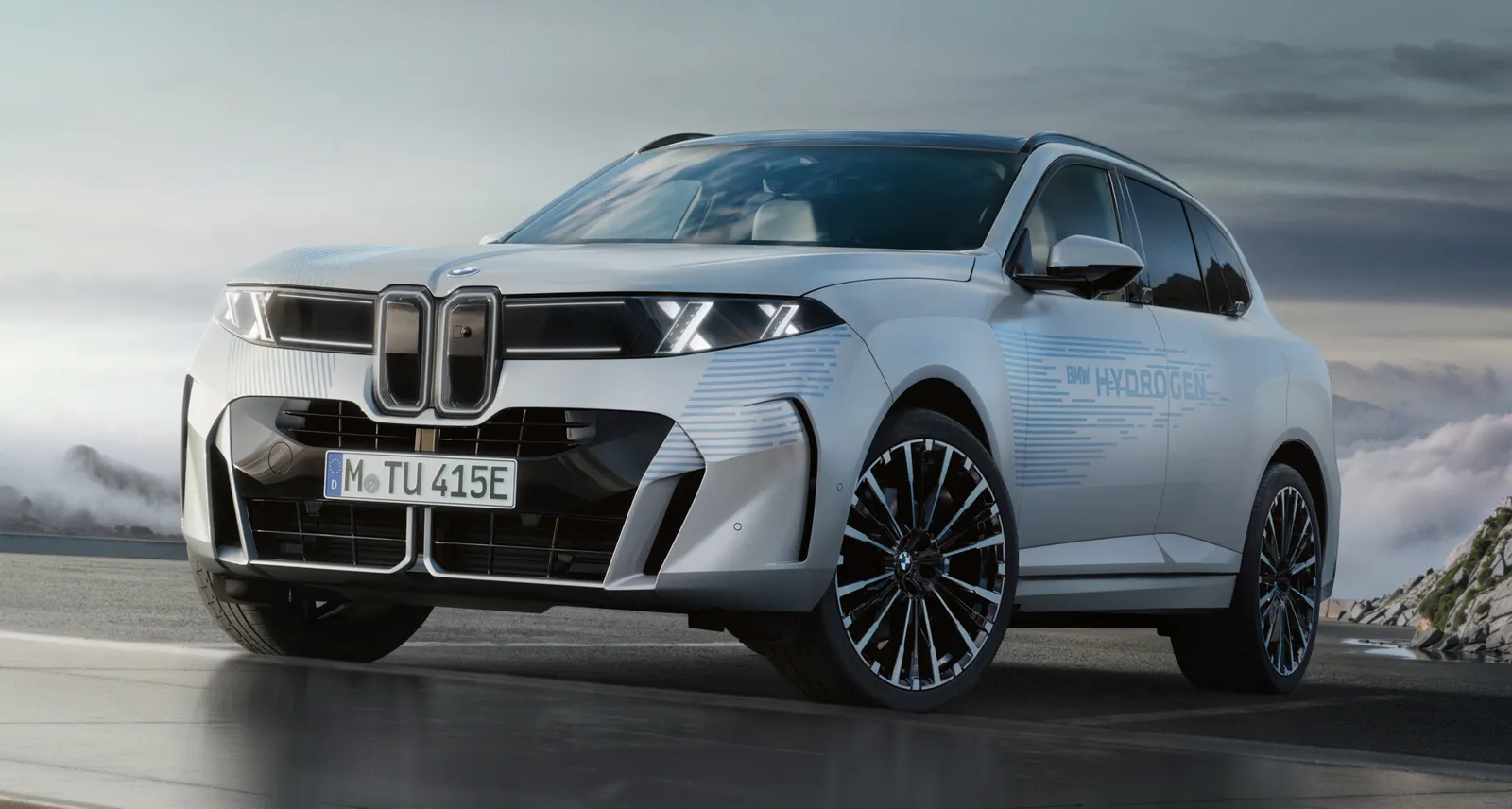
The hydrogen-powered BMW iX5. Extra air intakes above the license plate were necessary to supply oxygen to the fuel cells.
BMW iX5: power, acceleration, prices
The BMW iX5 60 xDrive variant will weigh 2.825 tons without a driver and 2.9 tons with a driver (source), meaning there is still a 600-kilogram margin left from the legal weight limit. The aforementioned Denza Z9 GT weighs almost the same (2.875 tons). The maximum power of the iX5 50 xDrive engines is 425 kW/578 hp, with a maximum torque of 805 Nm. Here too we have some insight into the technology used in BMW’s 6th-generation eDrive. If BMW had used permanent magnets, both parameters could have been higher. However, the 0-100 km/h acceleration is more than sufficient, taking just 4.6 seconds.
The BMW iX5 60 xDrive is likely the most powerful non-M version. It’s not impossible that a cheaper BMW iX5 50 variant with a single engine and slightly smaller battery could also appear on the market, just like the previous BMW iX3 40.
The function of the X-shaped turn signals and daytime running lights in the BMW iX5
The central display and passenger display of the BMW iX5
The vehicle uses an 800 V architecture, allowing a maximum charging power of 460 kW. Charging from 10 to 80 percent will be slower than in the BMW iX3, taking 23 minutes instead of 21. This is an acceptable value compared to industry standards, though not outstanding. The manufacturer also promises “practically two-way charging,” citing the presence of a 22 kW onboard AC-DC charger (industry standard: 11 kW). The doors feature “winglets” (BMW Winglets) that operate electrically under normal conditions but can also be opened manually.
The BMW iX5 doors operate electrically but can also be opened manually with force
The prices of the BMW iX5 have not been disclosed, with the gasoline version of the BMW X5 40d xDrive costing from 425,000 Polish zlotys. Production of the vehicle will begin at the end of the year, with gasoline versions being delivered first, followed by electric ones, while the hydrogen version is set to arrive “next year.”
Article Rating
Readers' Ratings
[Total: 4 votes Average: 4.8]
Don’t miss new content — CLICK and FOLLOW Elektrowoz.pl on Google News. You might also be interested in the following ads: