
BMW iX3 with a 12V battery in the cabin (LFP), Tesla Cybercab with a Starlink antenna. Two examples of integration
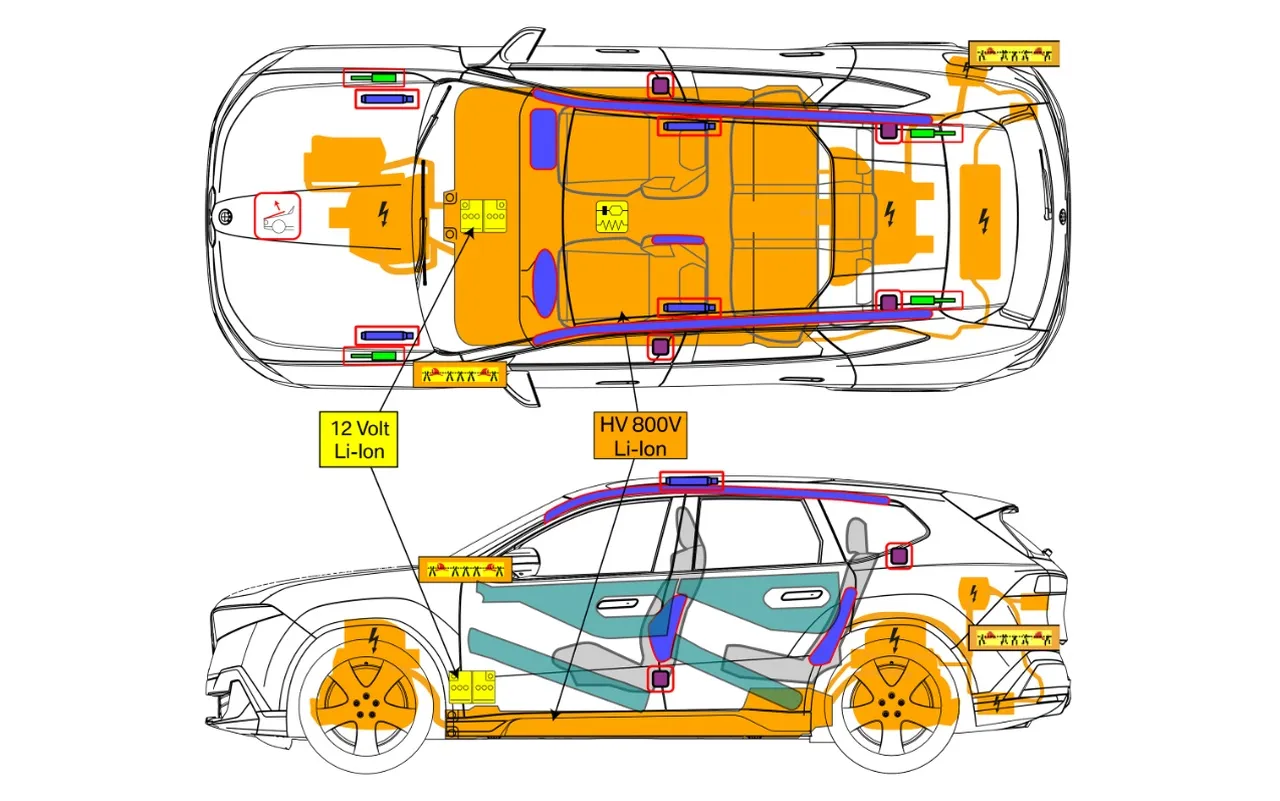
Two interesting diagrams have appeared online. The first is a schematic of the BMW iX3’s emergency kit, which shows that the vehicle’s 12 V battery is built using lithium-ion cells and located inside the cabin. The second is a diagram showing the key electronic components of the Cybercaba. There, we can see that there is space on the rear trunk lid for a Starlink antenna, allowing Robotaxi to be completely independent of telecommunications operators’ infrastructure.
BMW iX3 and the 12 V Battery
The illustration is from the BMW iX3 rescue guide, which provides instructions for firefighters on where to cut through the metal and which areas to avoid. We can see that the 12 V battery is located in the passenger area, under the center tunnel (source). It can be accessed from either the passenger or driver side; the driver’s side may be slightly less convenient due to the presence of pedals. It is not possible to reach it from below or in front, as the battery under the floor and the engine get in the way:
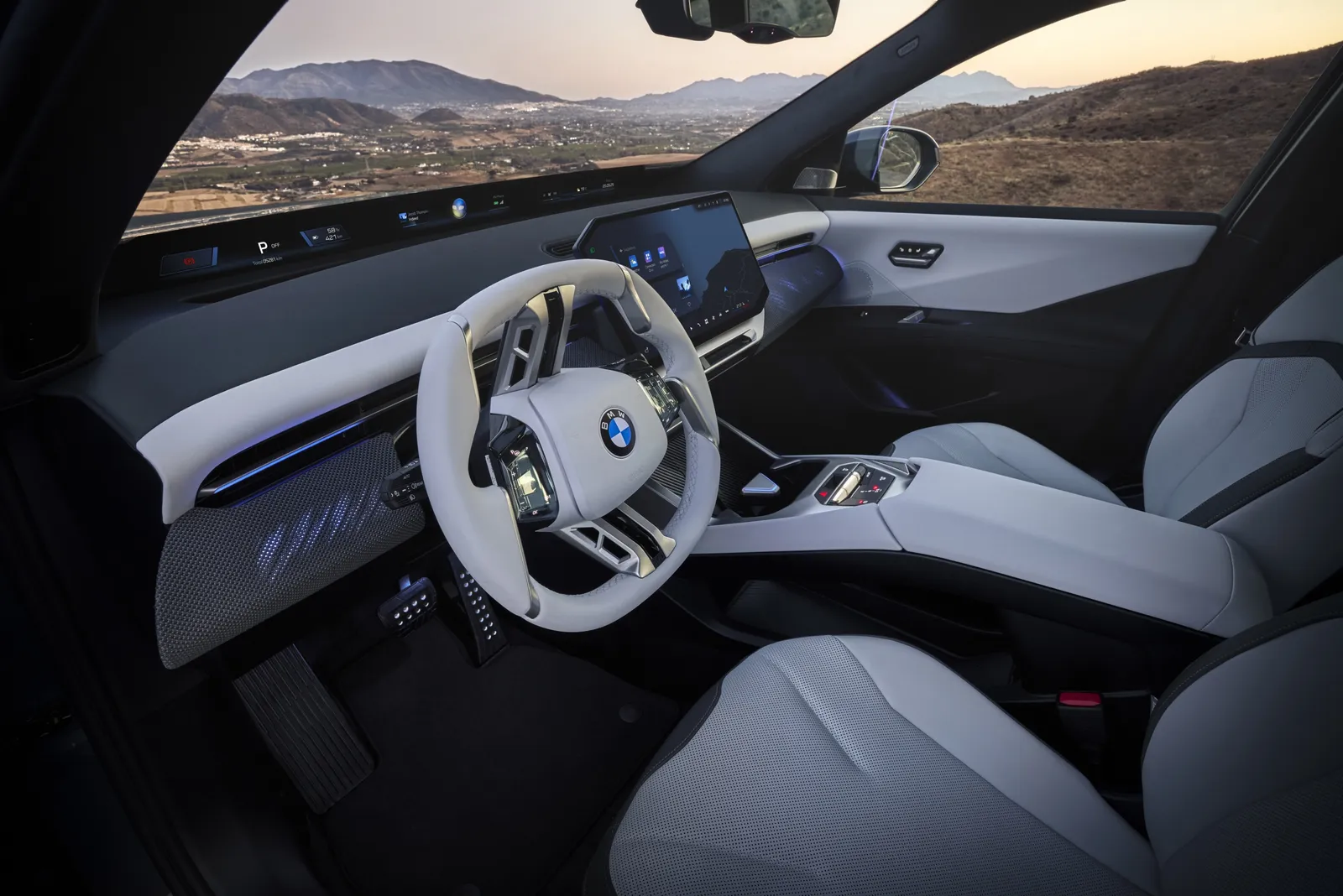
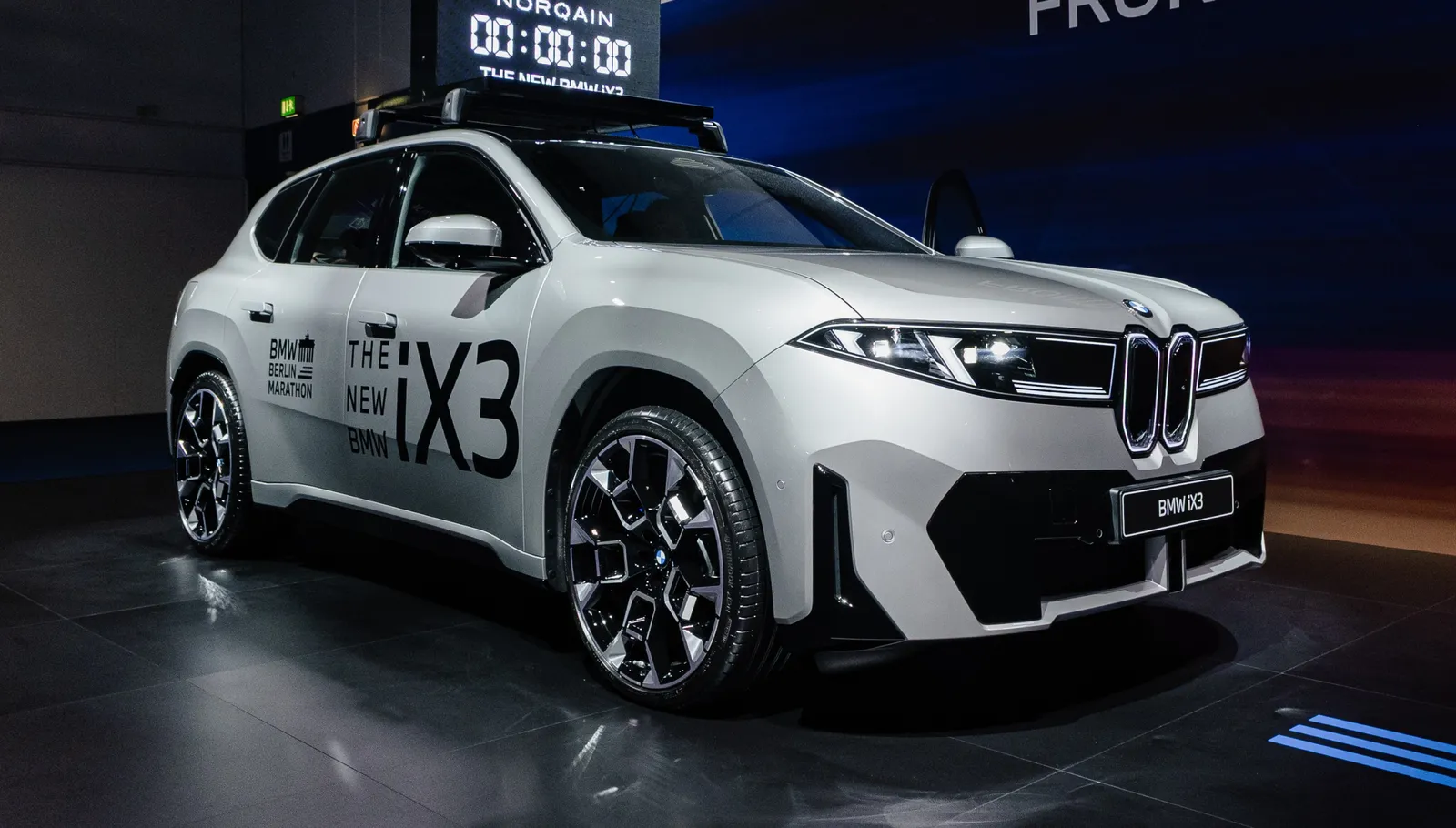
According to quotes found online, the 12 V battery is built using LFP cells and has a capacity of 22 Ah, allowing it to store approximately 0.3 kWh of energy. LFP ensures slower degradation compared to Li-NCM, but it also results in less weight and volume than lead-acid batteries. For a second or third-party car buyer, the downside of a 12 V Li-ion battery is its significantly higher cost to replace, and the car’s performance may be affected in extremely cold conditions.
Today, 12 V Li-ion batteries are primarily used by Tesla and Porsche.
Starlink Antenna in the Cybercab
This photo was posted on X by one of the internet users (source); the information is located in the new Tesla showroom. It shows many interesting details, including a Starlink antenna prism, large cast components used in the rear and front parts of the vehicle (characteristically ribbed), the location of the FSD computer, the space where the engine is placed (front), and the area where it definitely couldn’t fit (rear), as there must be space for luggage there:
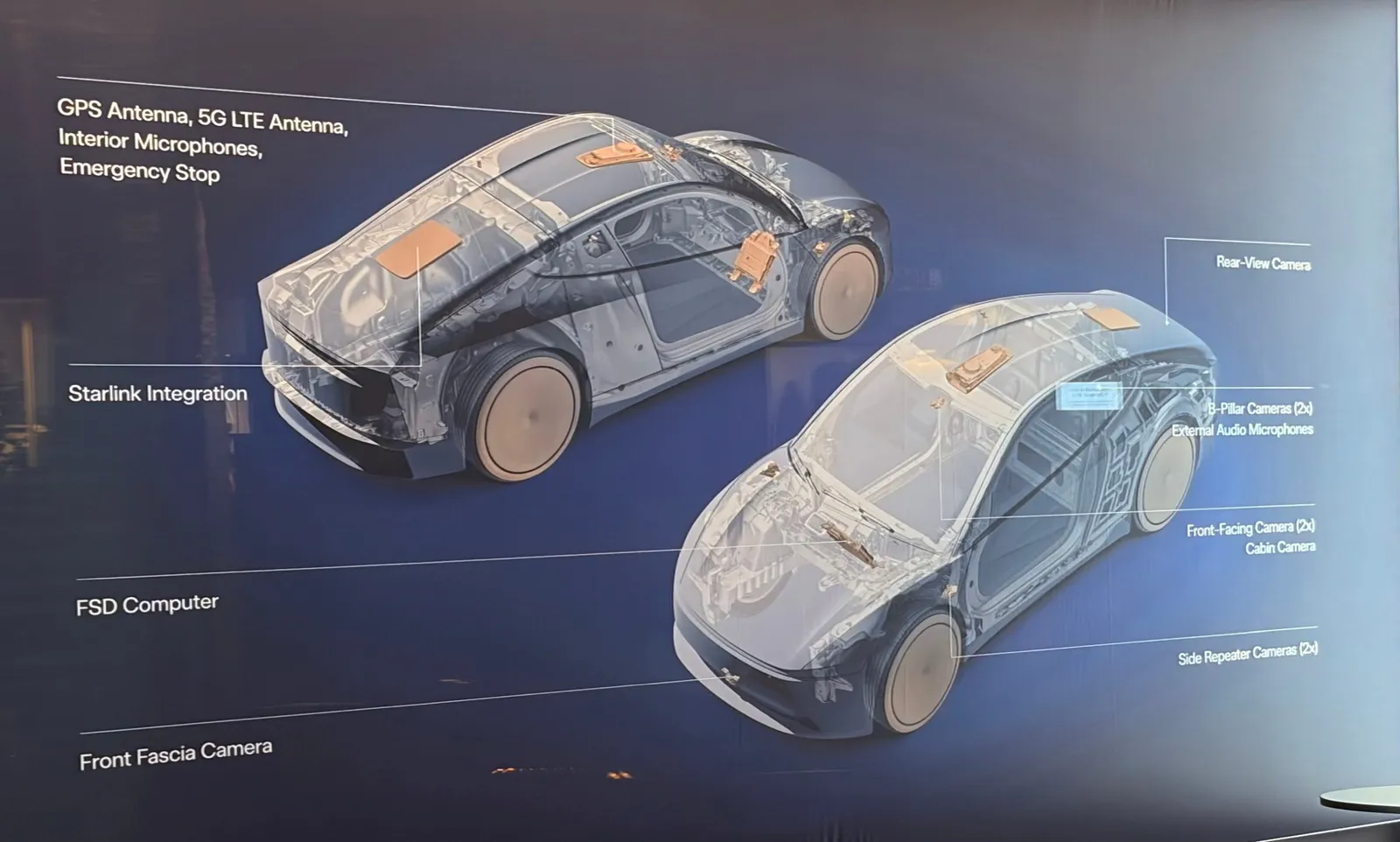
Cybercab diagram (c) Tesla; photo: Shaun Cassidy / X
The use of the Starlink module means Tesla can rely solely on its own communication system, avoiding costs associated with external service providers. It’s hard to say exactly how much these costs are, but they can rise quickly when using multimedia. Thanks to Starlink, Robotaxi will also be resilient to network overload issues, which have recently severely damaged Waymo’s reputation. Safety is another important factor—Elon Musk’s infrastructure fully controls transmissions, reducing potential points of intrusion compared to traditional telecom providers’ infrastructure.
Editor’s note from Elektrowozu: Norbert Cała contributed to this article.
Article Rating
Reader Ratings
[Total: 1 vote Average: 5]
Don’t miss new content—CLICK and FOLLOW Elektrowoz.pl on Google News. You might also be interested in the following ads: