
BMW i3 xDrive 40 announced. BMW doesn’t want to set a record of 1,000 WLTP range units; it prefers to reduce the battery size.
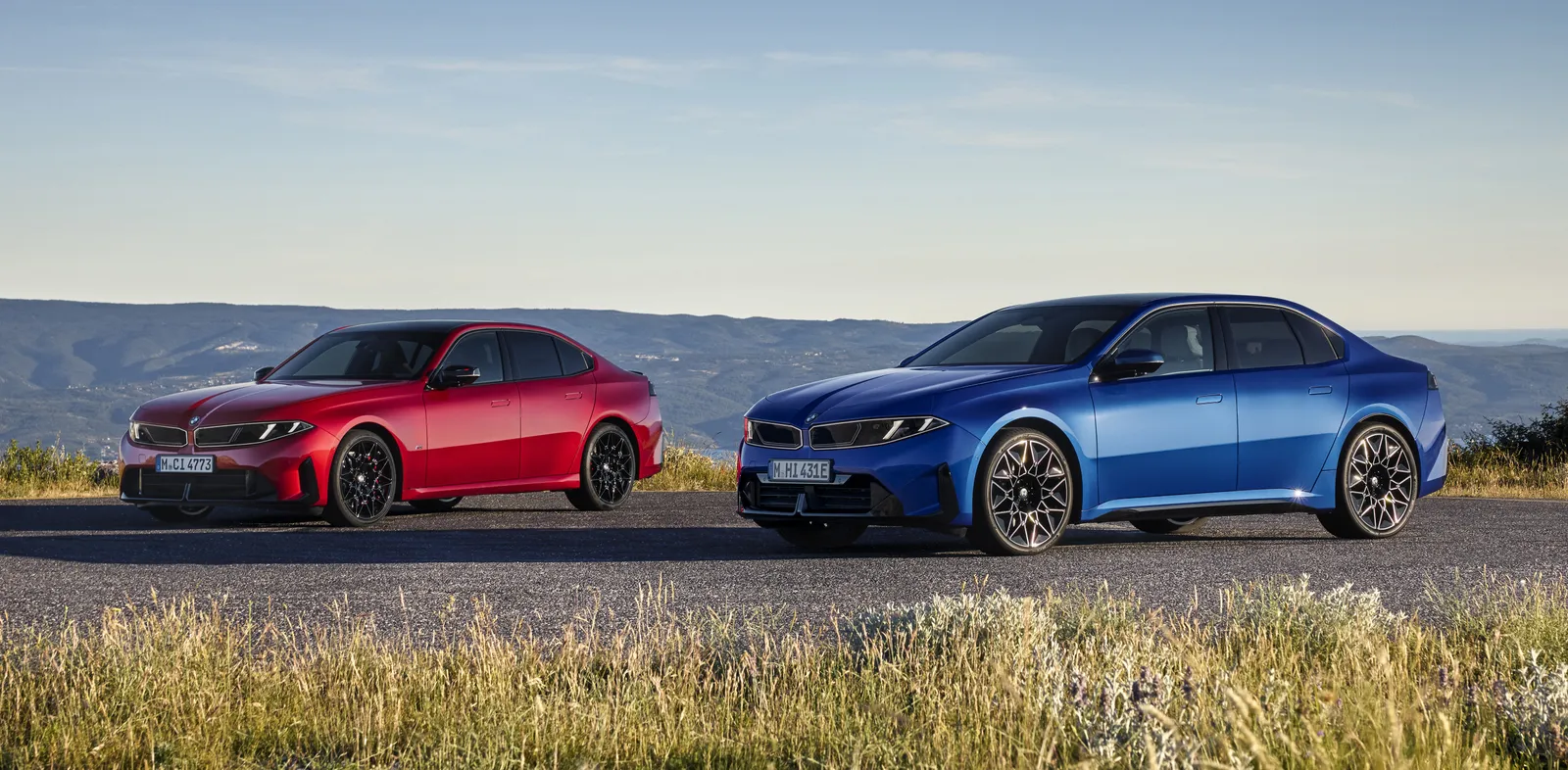
BMW unveiled the new BMW Series 3 and also announced that the BMW i3 40 xDrive and BMW i3 M60 xDrive M Performance will be available soon. The company could already claim a record WLTP range of 1,000 miles or more if it were to introduce the BMW i3 50 eDrive, but for now it hasn’t done so. And actually, it doesn’t have to, as competitors are either falling behind (Mercedes) or have other priorities or issues (Tesla, Lucid, Nio, Genesis).
New BMW Series… i3
The launch was primarily a celebration of the gasoline-powered BMW Series 3, but the photos released of the BMW Series 3 and the BMW i3 Neue Klasse allow for a direct comparison between the two vehicles. Observers who pay close attention will notice exactly the same issues as when comparing the Tesla Model Y to the Tesla Model 3: the gasoline version appears “underwhelming.” It also has a strangely elongated front grille, giving it an unproportional look. On the other hand, the BMW i3 resembles muscle cars due to its larger (?) side surface and the bulges on its grille:
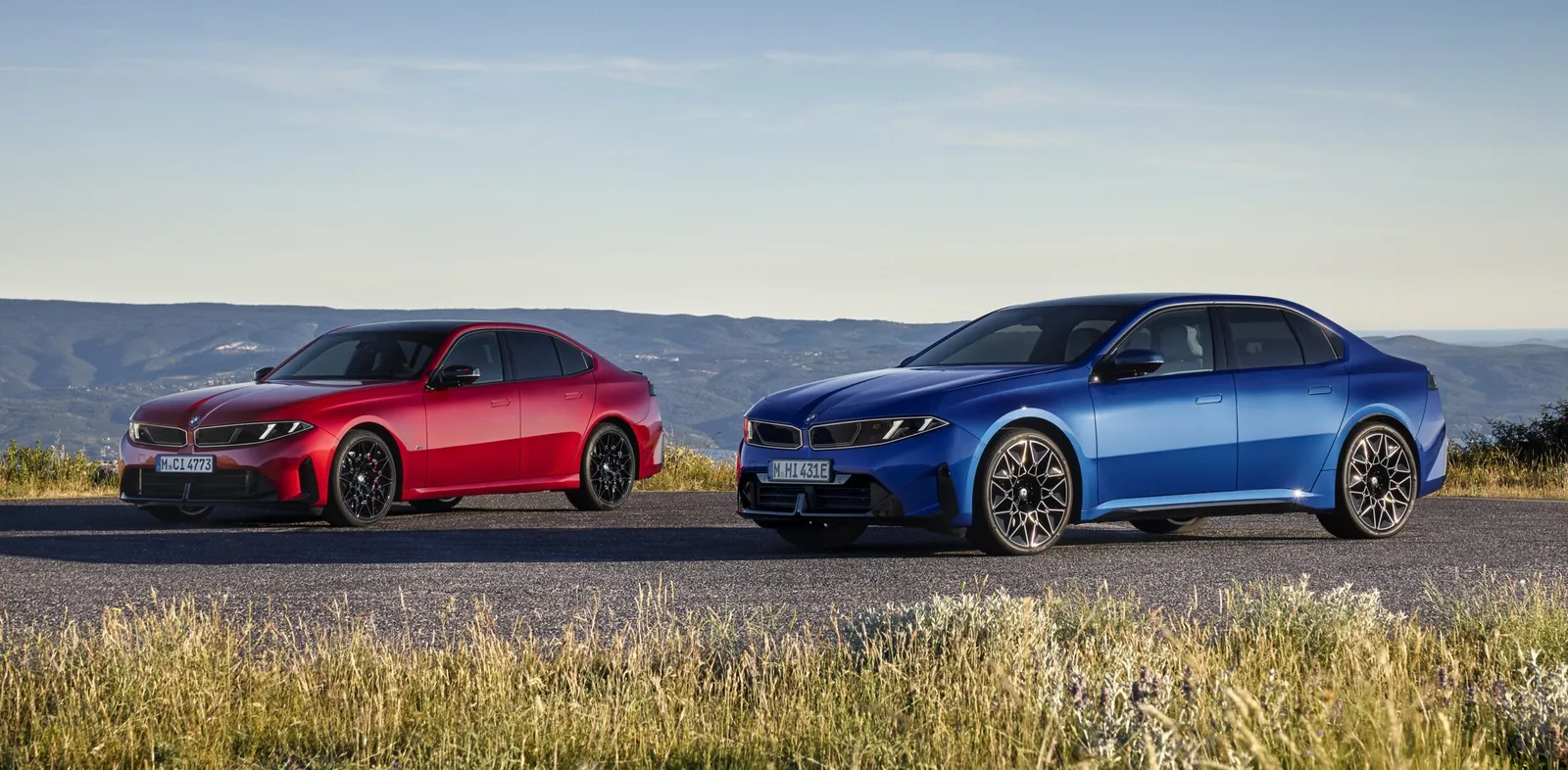
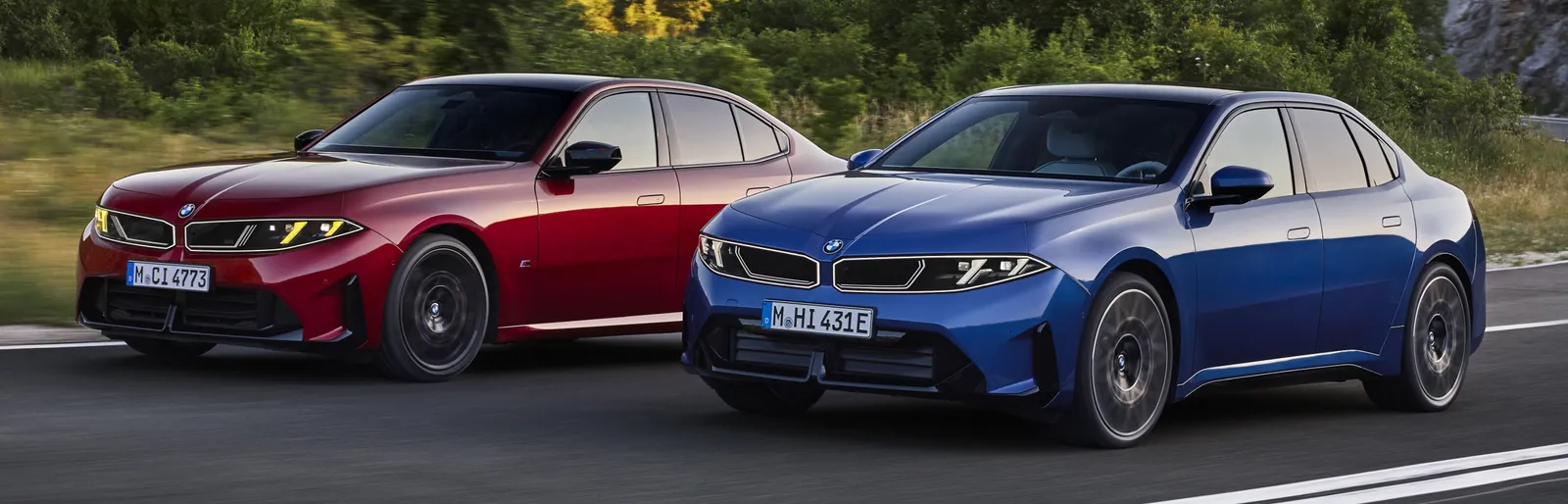
The selective yellow lights in BMW Series 3 daytime running lights. During the day it really doesn’t matter, but those who have tested them at night know they’re not good. Fortunately, they aren’t legal in Europe. By the way, note the different grilles on both cars (c) BMW
From our perspective, the most interesting announcements are the BMW i3 M60 xDrive M Performance, which is set to arrive in 2027, and — perhaps the most important piece of information — the BMW i3 40 xDrive. This reveals that BMW wants to retain all-wheel drive, reduce its power to 275 kW/374 hp, and cut the battery capacity to around 89 (82.8) kWh. The result will be a range of 710 WLTP units. In short: the company doesn’t want to chase records for now, keeping two engines and reducing the battery capacity, even though with a larger battery and one engine it could achieve over 1,000 WLTP units per charge.
The 0-100 km/h acceleration time for this variant is 5.4 seconds, and the price of the BMW i3 40 xDrive starts at 262,500 złoty:
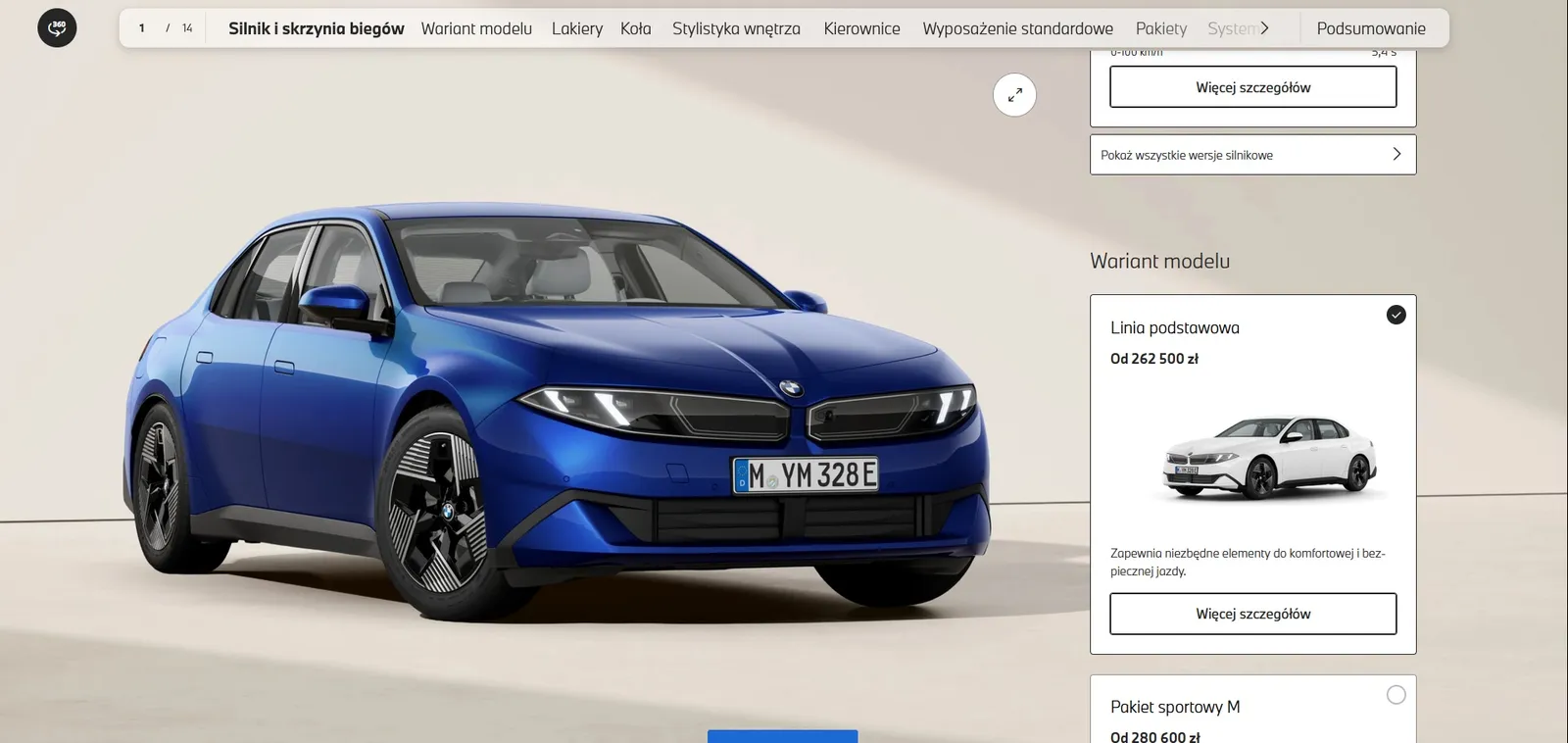
With the largest wheels, this variant may have only a range of 565 WLTP units, which is similar to that of Volkswagen’s larger electric vehicles with 82 (77) kWh batteries, so excessive visual tuning of the vehicle is not recommended. The advantage lies in the use of the same battery in the chassis, allowing it to reach 80% charge in 21 minutes with a maximum charging power of up to 300 kW. Unfortunately [for customers], BMW does not consider Lucid to be a competitor, which is why it is avoiding the BMW i3 50 eDrive version with rear-wheel drive and a larger battery that could achieve up to 1,000 or more WLTP units instead of the maximum of 912.
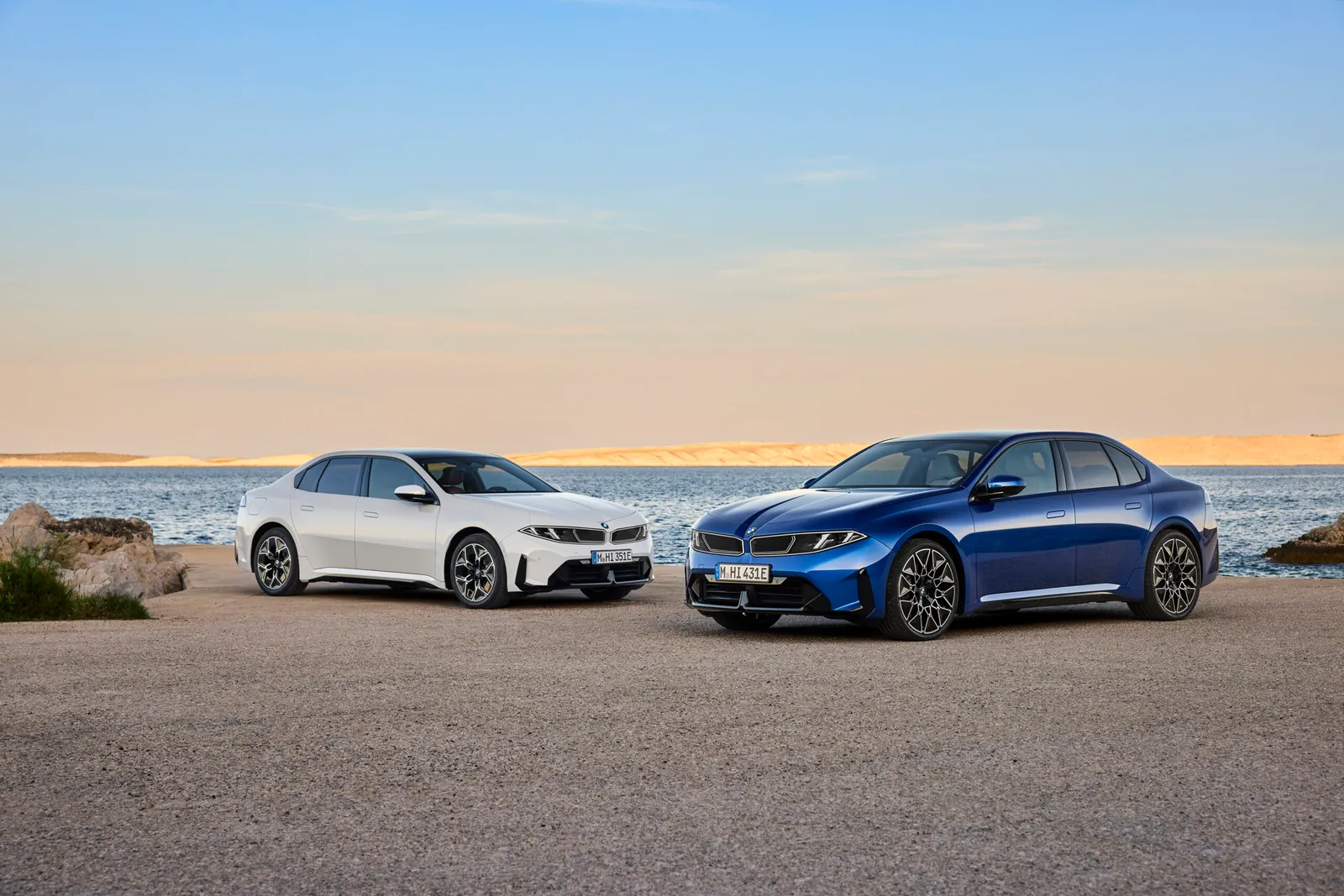
The BMW i3 40 xDrive (on the left) and BMW i3 50 xDrive. The license plate markings are interesting, suggesting the models were named “one tier higher” than planned. Or that slightly different vehicles, such as the BMW i3 35 eDrive, were expected to debut as part of the launch. But high demand for the new BMW i3 has prompted the manufacturer to focus on versions with higher profit margins.
Article rating
Reader ratings
[Total: 0 votes Average: 0]
Don’t miss new content—CLICK and FOLLOW Elektrowoz.pl on Google News. You might also be interested in the following ads:
