
BMW i3: Munich’s main plant now only produces electric cars
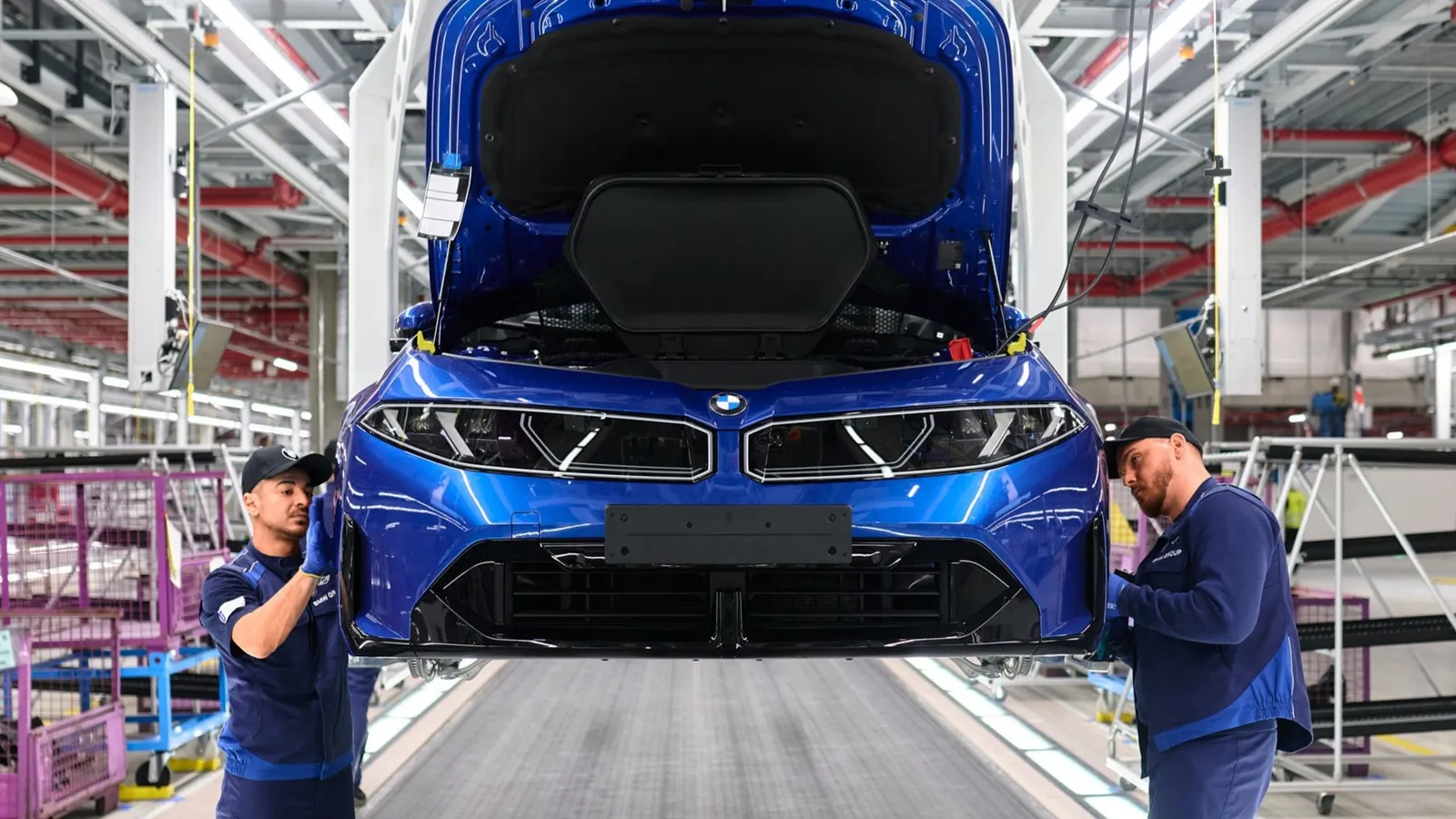
BMW has invested around two billion euros in the factories in Munich, Dingolfing, and the new battery plant in Irlbach-Straßkirchen. The electric i3 will now be produced in Munich, while gasoline and plug-in hybrid versions of the 3 Series will be made in Dingolfing.
Advertisement
The BMW Group has invested around two billion euros in its German plants to produce the eighth generation of the BMW 3 Series. Approximately one billion euros was invested in the two manufacturing facilities in Munich and Dingolfing, with another billion going into the new battery plant in Irlbach-Straßkirchen in Lower Bavaria. Production will now be clearly divided by power type: the all-electric version named BMW i3 is produced in Munich, while the models with internal combustion engines and plug-in hybrids are made in Dingolfing.
The 3 Series has been part of the lineup since 1975 and is economically crucial for the manufacturer. According to BMW, around 18 million units have been produced since then, with about 15 million made in Germany. With the new generation, BMW is gradually integrating the technologies from the New Class into its core portfolio. By the end of 2027, around 40 new or revised models equipped with this technology are expected to hit the market.
Munich Becomes a Pure Electric Plant
The plant in Munich, which is over 100 years old, has been thoroughly renovated for the New Class. BMW has invested in new buildings and production facilities there, with only electric vehicles going off the assembly line in Munich moving forward. The 3 Series has been manufactured there continuously since 1975 – with the new generation appearing only as a fully electric i3 for the first time.
The sixth-generation high-voltage batteries used in the i3 come from the new Irlbach-Straßkirchen plant. The announcement does not provide specific technical details about the vehicle itself—such as power, battery capacity, range, or charging speed. It focuses exclusively on the production aspect.
Ad
Dingolfing produces both internal combustion engines and plug-in hybrids
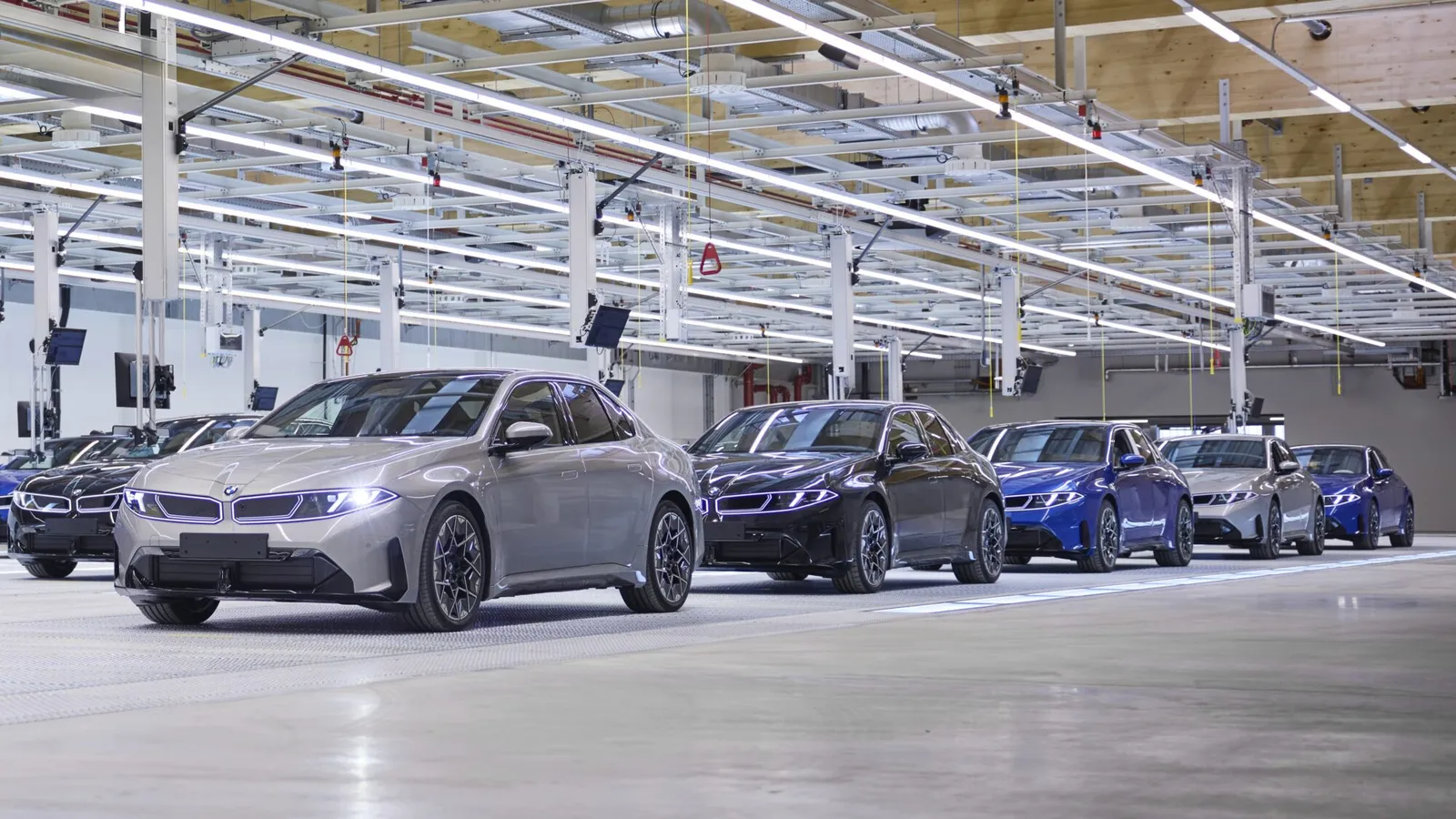
The 3 Series has been manufactured in Dingolfing with interruptions since 1980. Unlike in Munich, BMW does not build a new facility there but instead integrates production into existing structures. An additional assembly line was set up specifically for the 3 Series in the bodybuilding department. In the painting and assembly areas, however, the vehicles move along the same conveyor belts as other BMW models.
In the future, the i3 and the 3 Series are also set to be produced at the San Luis Potosí plant in Mexico under the “local for local” principle. For the Chinese market, an adapted version of the 3 Series is planned to be manufactured in Shenyang.
Irlbach-Straßkirchen Battery Plant to Begin Supplying Starting October
The new plant in Lower Bavaria assembles sixth-generation high-voltage batteries. Starting in October, it will first supply the Munich plant with battery systems for the i3. BMW does not mention other customers within its production network, but the site is described as a key component for the entire Neue Klasse. The work involves assembling battery systems—the statement provides no details on the origin of the cells.
BMW cites its cooperation with politicians, municipalities, and authorities in securing this location. Production CEO Raymond Wittmann links the company’s commitment to this site with a call for improved conditions for investment and competitiveness in Germany.
Supply Chain and the Importance of Germany as a Location
At the start of production, around 760 supplier locations supply the plants in Munich and Dingolfing. More than 70 percent of these are located in Europe, with over 30 percent in Germany. BMW produces more than one million vehicles annually at its German plants—according to the company, this means that about one in four cars produced in Germany comes from a BMW plant. Approximately 55 percent of the company’s employees work in Germany.
For comparison: In 2025, the BMW Group sold around 2.46 million cars worldwide, with revenue reaching 133.5 billion euros and pre-tax profit at 10.2 billion euros. Its production network includes more than 30 sites globally.
Advertisement
