
BMW i3: Electric 3 Series with a range of 912 km and 400-kW charging capability
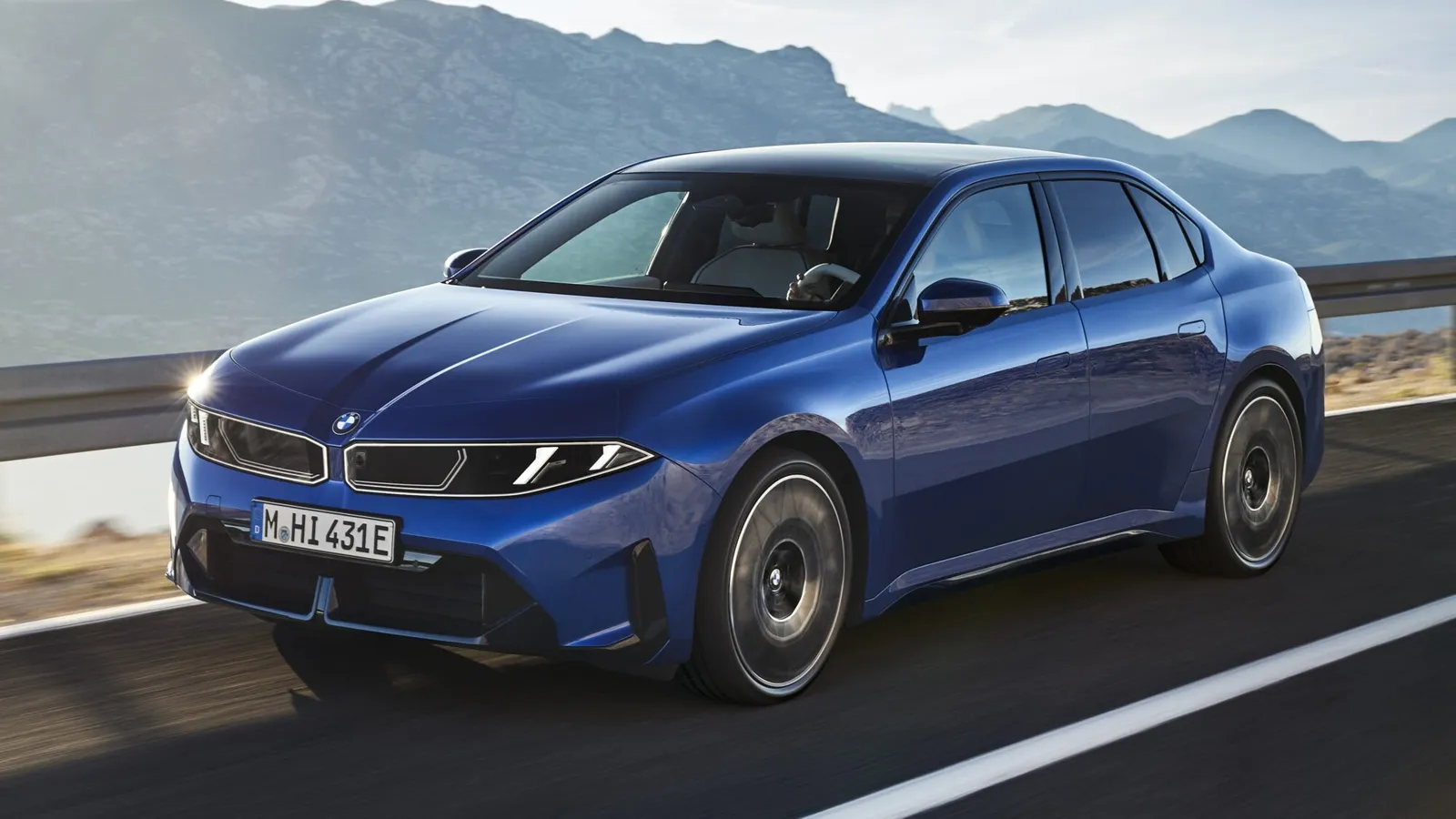
BMW introduces the new i3, marking the first time a fully electric 3 Series model is based on its New Class platform. This sedan features a battery capacity of up to 108.7 kWh, an WLTP range of 912 km, 400 kW DC fast charging capability, and starts at 59,900 euros.
Advertisement
BMW has unveiled the eighth generation of the 3 Series. For the first time, a fully electric version is part of the lineup: the new BMW i3 is the second model in what’s known as the New Class, following the iX3, and utilizes the sixth generation of BMW eDrive technology with 800-volt architecture. At launch, two electric versions are available, while BMW also continues to offer the 3 Series with gasoline engines and 48-volt mild hybrid systems. Orders can be placed starting September 30, 2026.
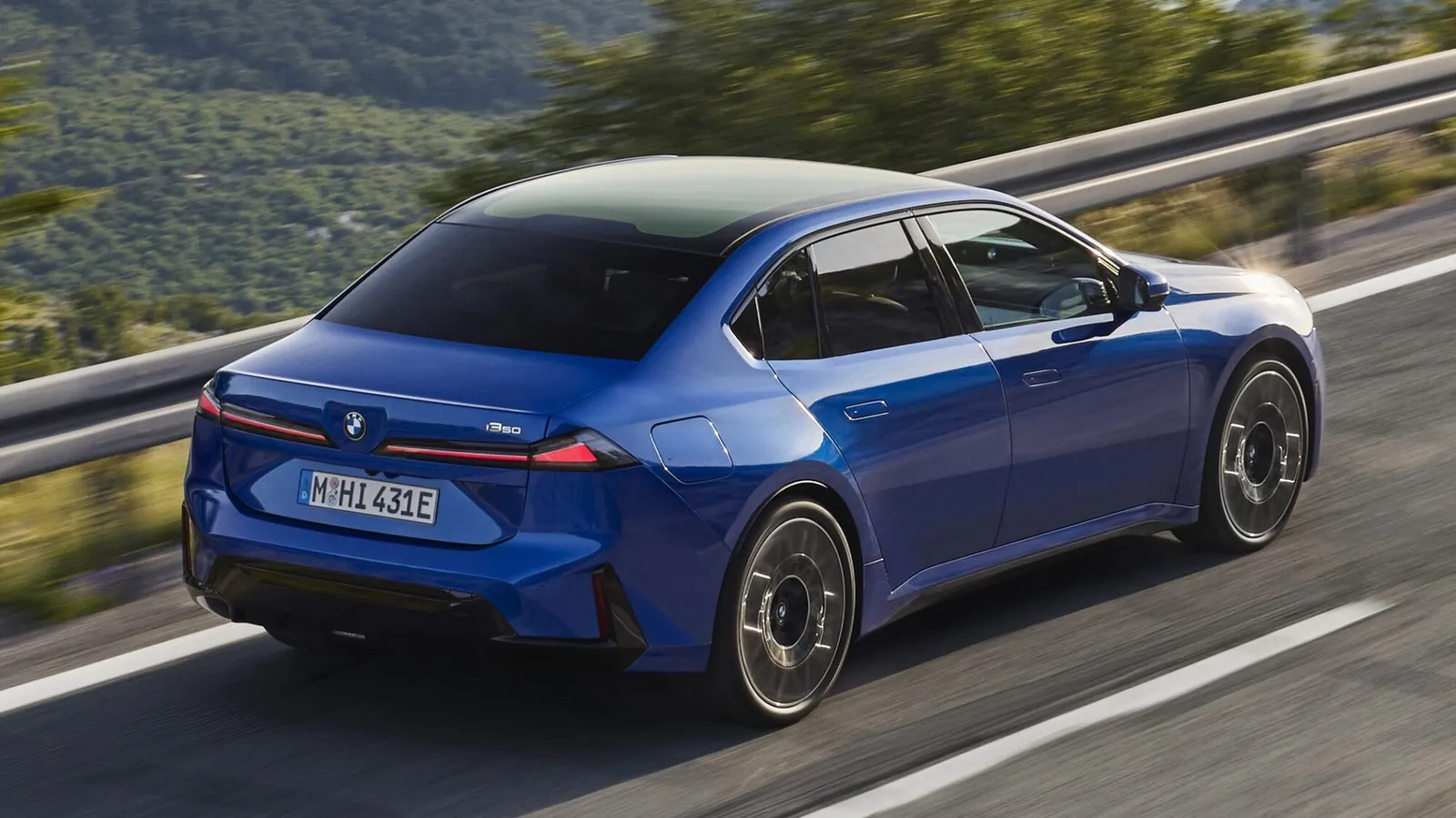
Externally, the electric and combustion engine versions differ only in minor details. The i3 is 4,760 mm long, 1,865 mm wide, and 1,480 mm high, with a wheelbase of 2,897 mm. This makes it slightly wider and taller than the combustion engine models. The trunk has a capacity of 420 liters, plus a storage compartment of 31 liters under the hood. Its drag coefficient is 0.21.
Powertrain: Two engines, always all-wheel drive
Both versions of the i3 are equipped with an electric motor at each of the front and rear axles. At the rear, there is a separately excited synchronous machine (SSM) that does not use permanent magnets, while at the front there is an asynchronous machine (ASM). According to BMW, this combination reduces energy losses by 40 percent, costs by 20 percent, and weight by 10 percent compared to the fifth generation.
The BMW i3 50 xDrive delivers 345 kW (469 hp) in combined mode and offers a maximum torque of 645 Nm. The rear motor contributes 240 kW (326 hp), while the front motor provides 123 kW (167 hp). The vehicle accelerates from 0 to 100 km/h in 4.7 seconds. The BMW i3 40 xDrive has 275 kW (374 hp) and 520 Nm, with the rear motor delivering 195 kW (265 hp). It takes 5.4 seconds to reach 100 km/h in standard conditions. Both versions have their power output limited at 200 km/h. The curb weight according to DIN standards is 2,205 kg for the 50 xDrive and 2,090 kg for the 40 xDrive, with a towing capacity of 1,800 kg when braking.
The third electric model to be released is the BMW i3 M60 xDrive, scheduled for 2027. BMW has not yet disclosed any technical specifications for it.
Advertisement
Battery and Range
The high-voltage battery uses newly developed round cells with a diameter of 46 mm and a height of 95 mm. Compared to the prismatic cells previously used, the volumetric energy density is expected to increase by 20 percent. The cells are integrated directly into the pack without modules (Cell-to-Pack). The battery cover also serves as the vehicle floor, which is intended to reduce weight and increase the stiffness of the chassis.
The i3 50 xDrive has a net energy capacity of 108.7 kWh and achieves ranges between 729 and 912 km according to WLTP, depending on the configuration. The combined fuel consumption is between 18.0 and 13.4 kWh/100 km, while on the highway (WLTP Extra High) it ranges from 22.0 to 16.7 kWh/100 km. The i3 40 xDrive features an 82.8-kWh battery and offers ranges of 566 to 710 km. BMW reports combined fuel consumption of between 17.9 and 14.3 kWh/100 km and highway consumption of 22.0 to 17.8 kWh/100 km for this model.
The batteries currently come from the Debrecen plant in Hungary. In the future, they will be supplied by the new Irlbach-Straßkirchen plant in Lower Bavaria, which is scheduled to begin operations in October 2026.
Charging Capacity and Two-Way Charging
At the DC fast charger, the i3 50 xDrive can charge at up to 400 kW. According to BMW, it takes 21 minutes to reach 80 percent charge from 10 percent, and energy can be replenished for 320 to 423 km (WLTP) in ten minutes. The i3 40 xDrive charges at up to 300 kW and also reaches 80 percent in 21 minutes, with 251 to 337 km of range achievable in ten minutes. Both models can continue to charge at 400-volt charging stations via a switching matrix in the central control unit, Energy Master.
The i3 charges using alternating current at 11 kW as standard, or 22 kW optionally. A full charge takes 11 hours or 5.5 hours for the 50 xDrive version, and 8:15 hours or 4:15 hours for the 40 xDrive version. Plug & Charge according to ISO 15118-2 is supported, allowing up to ten accounts from different providers to be stored in the vehicle. BMW Maps’ route planning is designed to learn using AI from past charging sessions, such as predicting the actual charging capacity available at a station. When destination guidance is active, the battery is automatically pre-conditioned for use with a fast charger.
The i3 also supports two-way charging. Via Vehicle-to-Load, external devices can be powered using the optional Multifunction Charger with adapter at up to 3.7 kW; this accessory is expected to be available starting in the fourth quarter of 2026. Vehicle-to-Home and Vehicle-to-Grid functions operate at up to 11 kW through the BMW Wallbox Professional (DC). For integration into home energy management, BMW collaborates with SOLARWATT, while E.ON offers a package including a Wallbox, V2G electricity tariff, and an intelligent metering system for grid connection.
Controls and Assistance Systems
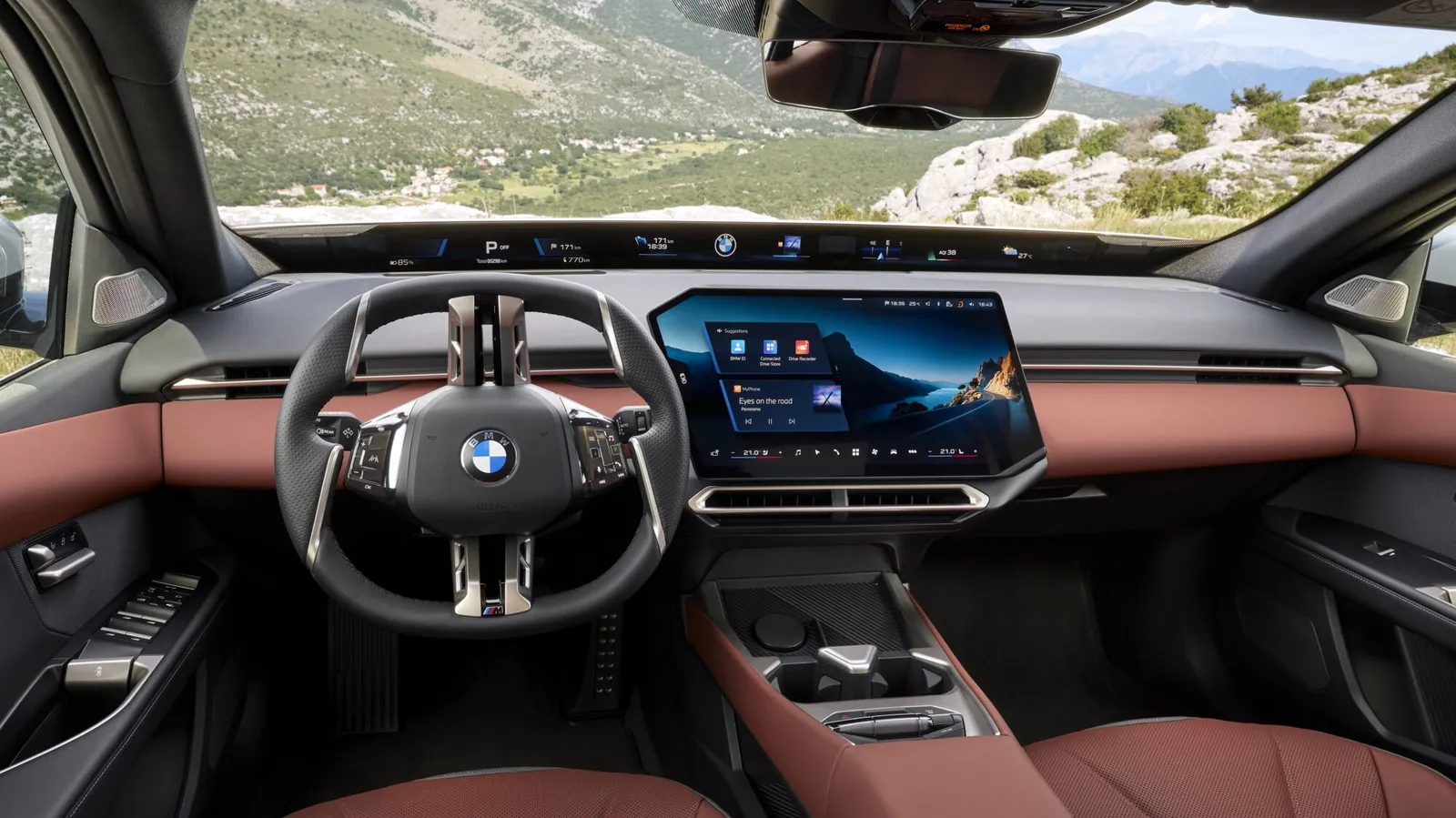
In the interior, the 3 Series adopts the Panoramic iDrive control concept from the iX3. Driving-related information is projected across the entire lower width of the windshield, eliminating the need for a traditional dashboard. This is complemented by a 17.9-inch central display and an optional 3D head-up display. The operating system, BMW Operating System X, is based on Android Open Source, with Amazon Alexa+ added as a voice assistant.
The optional highway assist allows hands-free driving up to 130 km/h in 21 countries. Starting in 2027, partial automation for urban driving, including turning and navigating roundabouts, is set to become available in Germany as well. According to BMW, the hardware for this is already installed in all vehicles, with the functions available to be activated later.
Prices and Petrol Versions
The BMW i3 40 xDrive costs starting at 59,900 euros, while the i3 50 xDrive starts at 65,900 euros. The electric 3 Series has been produced since August 2026 at the main plant in Munich, which is set to manufacture only electric vehicles starting in 2027. The electric motors come from Steyr in Austria.
Meanwhile, BMW offers the 318 with 115 kW (156 hp) starting at 49,900 euros, the 320 with 155 kW (211 hp) starting at 54,900 euros, and the M350 xDrive with a six-cylinder engine and 326 kW (443 hp) starting at 80,900 euros. The internal combustion engine models will roll off the production line in Dingolfing starting in November 2026. A plug-in hybrid version is expected to follow next year.
