
Truck Strike? The Paradox of Incentives for Polluting Trucks

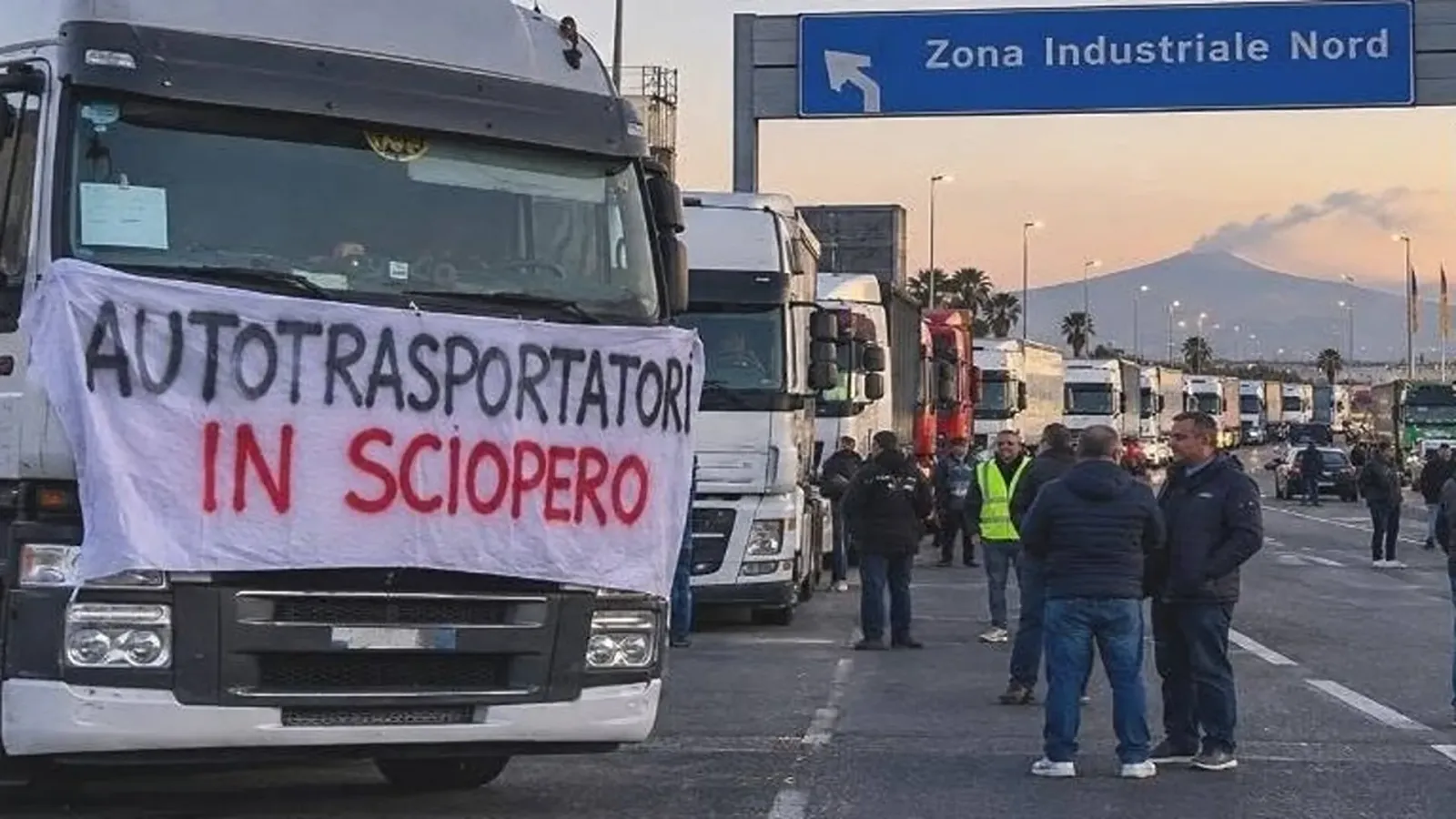
The truck drivers' strike emptied supermarkets and caused severe damage to agriculture, forcing many producers to destroy tons of goods. Today, however, rather than promoting independence from diesel—whose price remains vulnerable to international geopolitical tensions—the government aims to support the renewal of the most polluting vehicles.
The 590 million fund for polluting vehicles
The discussion concerns the 590 million euro fund allocated for renewing the vehicle fleet between 2027 and 2031. The industry has been waiting months for these funds to be released, as requested again by Anfia in recent days, while the European Commission has expressed doubts about Meloni and Salvini’s approach. The issue is that over half a billion euros will also finance the purchase of new vehicles with internal combustion engines—more efficient trucks with lower fuel consumption, but still powered by fossil fuels. This reduces consumption and emissions compared to older vehicles, yet it does not address the problem of structural dependence on oil.
Vice Minister Edoardo Rixi: “We must keep internal combustion engines”
There are 590 million euros allocated to encourage the renewal of the transport fleet, a fund already established on the principle of technological neutrality that, in practice, still allows funding for internal combustion engines. Following recent protests from the industry, this approach is even being strengthened.
To confirm this are the words of Deputy Transport Minister Edoardo Rixi: “We are releasing 590 million euros for the renewal of freight transport vehicles. We have discussed this issue at the European level as well, because what all associations are asking for is to maintain diesel engines alongside new fuels, since heavy transport still relies on diesel engines and, therefore, inevitably, on internal combustion engines.”
The result is that a significant portion of public funds will continue to support vehicles powered by fossil fuels. These are more efficient than the ones they replace, but they do not change the sector’s structural dependence on oil and its inevitable price fluctuations.
The missing word: electrification
But that’s not all. Rixi added that “for administrative reasons, we are releasing the 590 million euros, giving priority to those who do not have Euro 5, 6, or 7 vehicles, meaning those with Euro 0-4 vehicles, including those with internal combustion engines, something the EU had objected to.”
Thus, this decision is not only aimed at replacing older vehicles with more efficient ones but also continues to support a technology still reliant on fossil fuels. Trucks are certainly less polluting than those they replace, thanks to advances in engines and emission control systems, but they remain entirely dependent on diesel and oil.
A dependency that exposes the sector to international geopolitical tensions, as seen with Russia’s invasion of Ukraine and more recently the war in the Middle East, which had immediate effects on fuel prices. In other words, a problem is alleviated in the short term, but no path is created toward true energy autonomy for heavy transportation. The fleet is updated, yet the transition to technologies that can free the sector from the volatility of fossil fuels is once again delayed.
In other countries, generous incentives for electric trucks
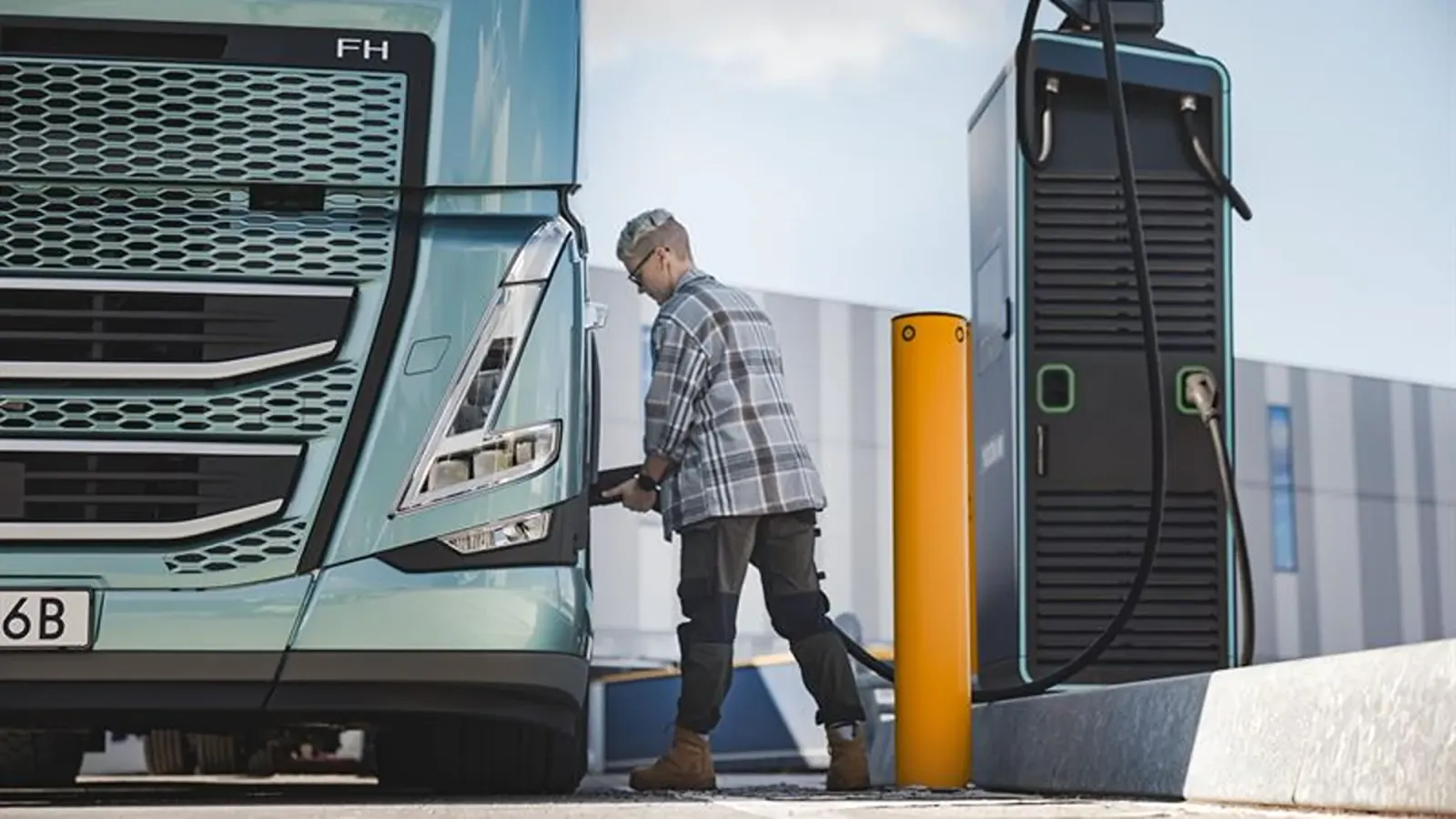
A country particularly active in the electrification of heavy transport is the United Kingdom. To reduce the price gap between electric and diesel trucks, which can be almost three times higher in some cases, the British government has provided incentives of up to 140,000 euros per vehicle. Meanwhile, 40 charging stations dedicated to heavy vehicles have been established, and monitoring programs for electric fleets have been launched to identify the most efficient operational solutions.
Other European countries are also working on long-term strategies. In Germany, tests are underway to develop an ecosystem that can make electric freight transport economically sustainable, while in the Netherlands, the introduction of zero-emission zones in cities has accelerated the adoption of electric vehicles for urban logistics.
Exorbitant prices: caused by fossil fuels and climate change
These are various initiatives, but they share a common goal: creating the conditions for a transport system that is gradually decarbonized. It is a complex path filled with obstacles, yet it is supported by targeted public investments. This strategy appears to be much more future-oriented compared to Italy’s approach, where over half a billion euros continues to be allocated for the renewal of vehicles powered by fossil fuels.
READ ALSO: Watch the video guide on charging station bonuses
Previous Article
Wallbox in the apartment complex garage: what does the law say?
Next Article
Company vehicles: a “sacred alliance” to accelerate fleet renewal