
Beyond Jaguar: The EV industry’s brand loyalty problem
Features
Its time for EV manufacturers to give buyers something they want to return to, writes Koto CEO, James Greenfield.
EP
EV Powered
22 October 2026 · 5 min read
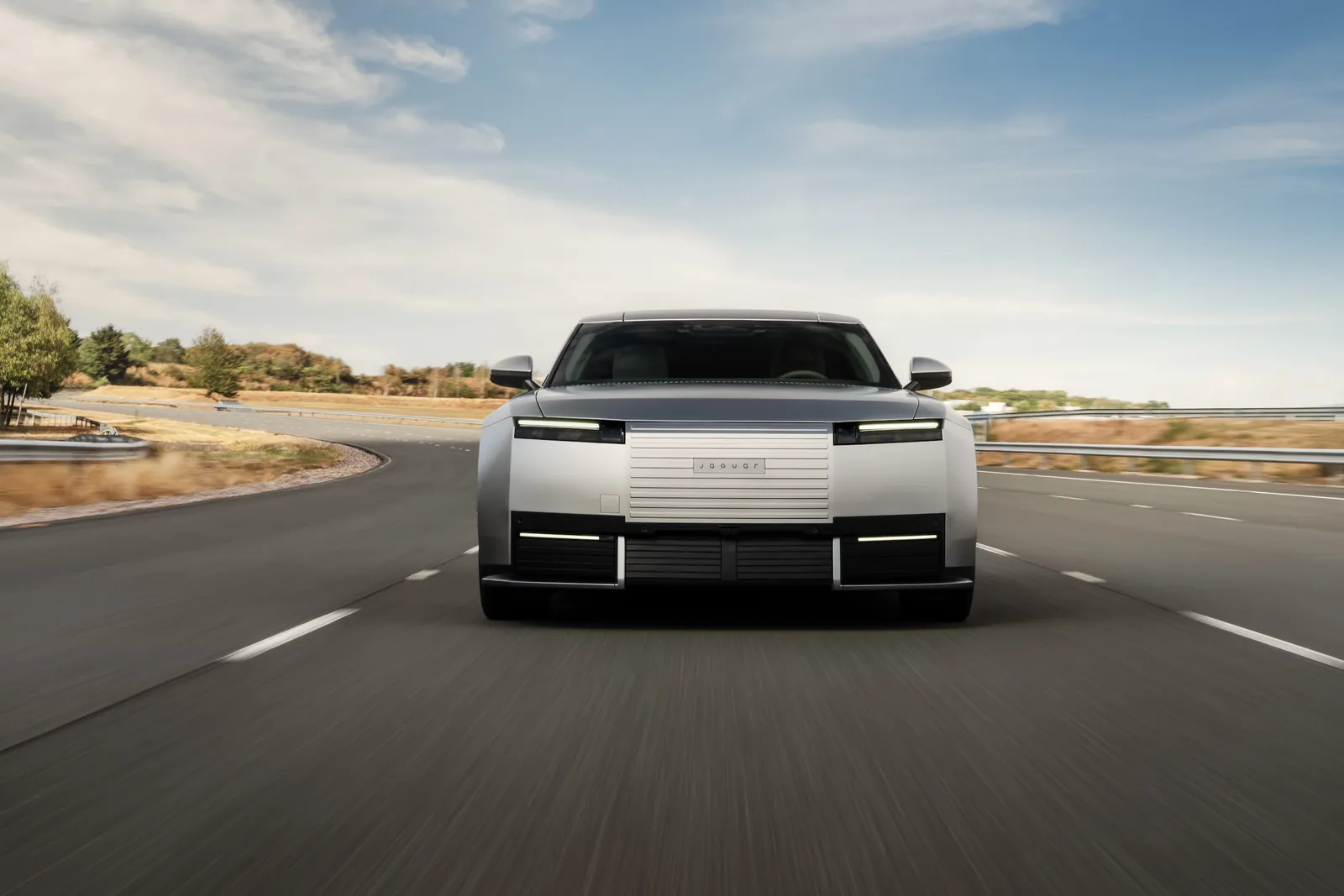
Spend any time on social media over the past week and you’ll probably have seen Jaguar stealing the clicks again. The unveiling of its all-electric Type 01 GT has prompted another round of commentary about the next chapter for the iconic British brand and whether this striking new car can drive it forward.
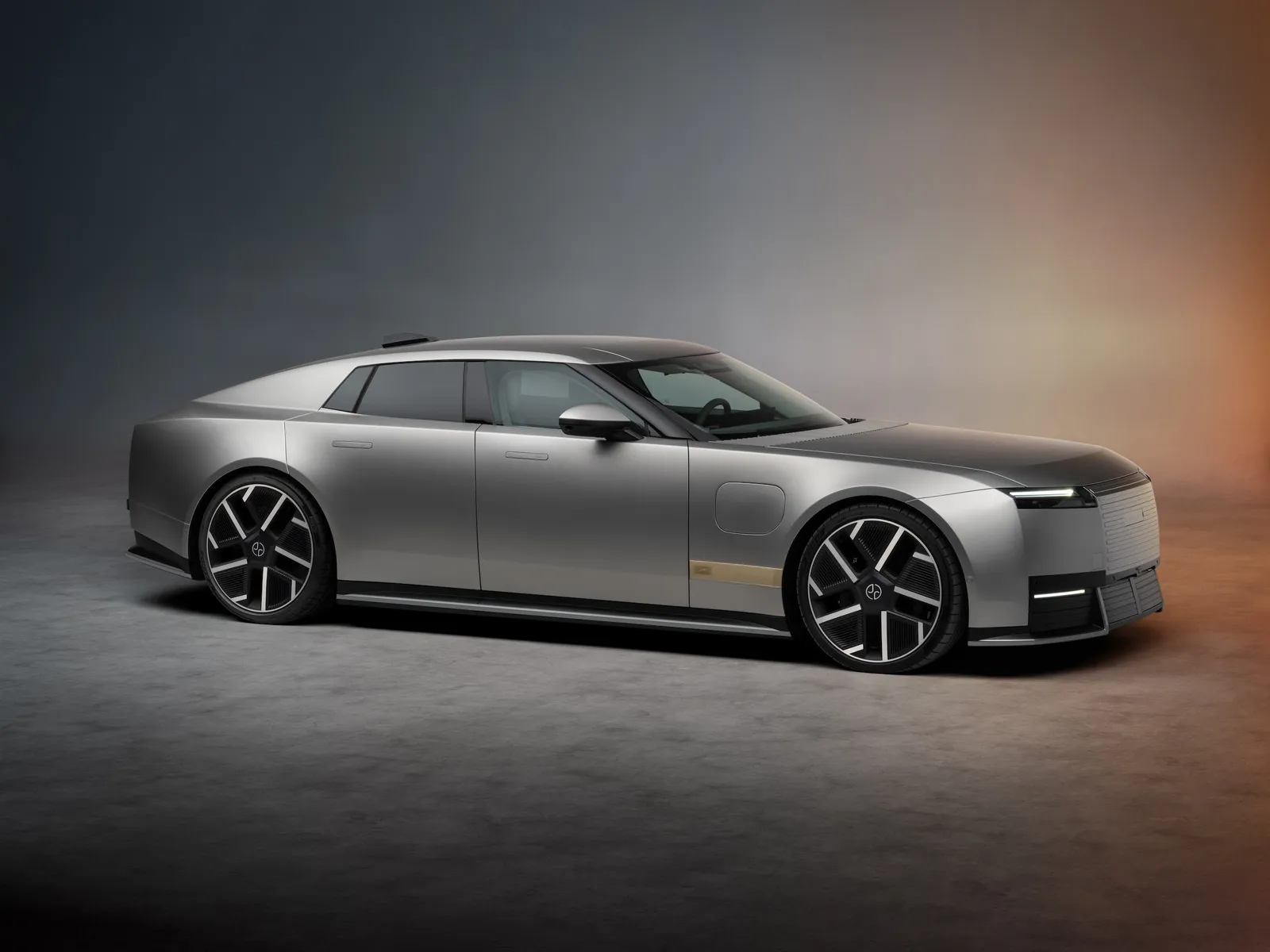
Behind the headlines, though, this is a niche vehicle. A car arguably too big for many British roads. To my eyes, one more at home on the streets of Dubai than navigating a country lane, especially with a price tag north of £150k.
But Jaguar’s story is really two stories rolled into one. There is the debate about the reinvention of an iconic brand, and there is the challenge of taking a car company into its next electric chapter. The second story has implications far beyond Jaguar.
More choice, less loyalty?
As new manufacturers and models arrive, established brands must give customers a reason to stay. Buyers, meanwhile, face an increasingly difficult task: making sense of all that choice.
UK drivers now have around 80 car brands to choose from, and many are recent arrivals on these shores. In September 2026, the Jaecoo 7 was the UK’s best-selling new car model, despite the brand having launched here less than two years earlier.
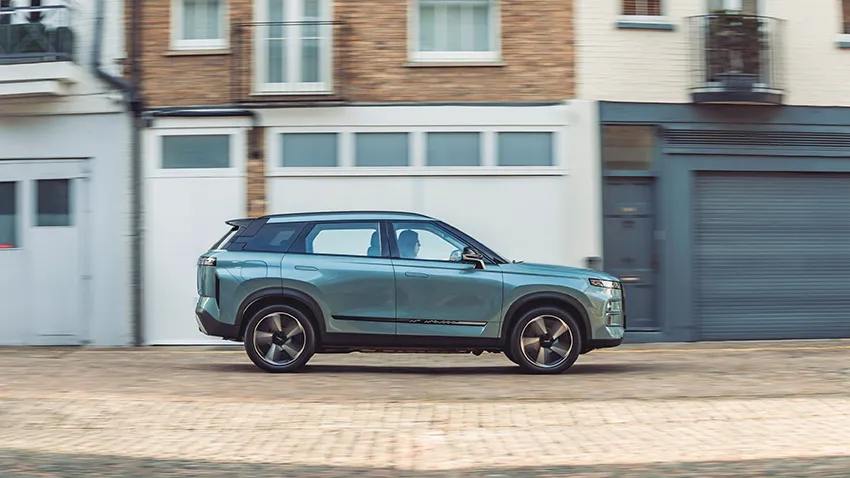
That example spans the wider car market, but it illustrates the speed at which unfamiliar names can become serious contenders. Brands need to help both existing and prospective customers navigate this change.
There is an appetite for electric driving. In Simon-Kucher’s 2025 global automotive study, 96% of current EV drivers said they would choose electric again. That’s a clear signal for the industry. It also leaves manufacturers with a new challenge: giving these drivers, often new to electric, a reason to choose their brand again.
So, with hordes of new brands, massive momentum in electrification and competitive prices, how can OEMs secure long-term loyalty?
Looking beyond the car
On 9 January 2007, Steve Jobs introduced the iPhone, a product which revolutionised the world. Nearly two decades later, Apple holds a UK market share of 47%. How does a brand which is significantly more expensive than its competitors hold this market share? Simple: it has built and protected a brand. Its staying power offers a useful lesson for carmakers.
For a petrolhead like me, comparing cars with smartphones is slightly painful. Yet software, interfaces and connected services are increasingly important parts of the driving experience. Tesla helped make that transition from car to technology product visible and showed the way forward.
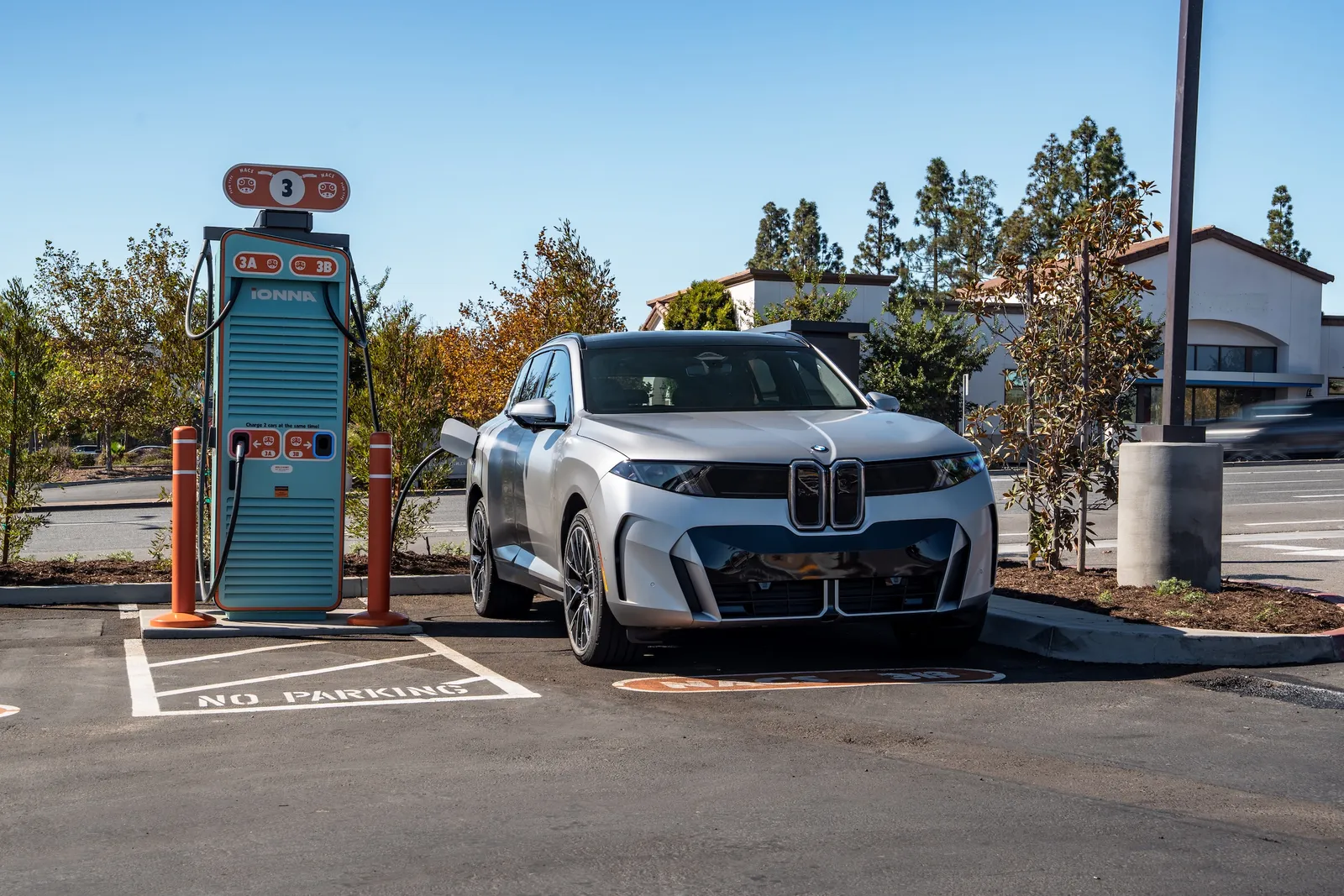
So, where engineering excellence was once the calling card of many car brands, at Koto we believe they now need to broaden their focus, making their new strengths meaningful to customers through a clear identity and a consistent ownership experience.
For EV buyers, that should mean a more distinctive product name, identity or launch campaign, because I strongly believe car ownership is still an aspirational act. Beyond our homes, this is the big-ticket item, and we want to feel good about it. For some, that is showing off an impressive marque; for others, it’s about feeling like we got great value for money or a super-reliable product.
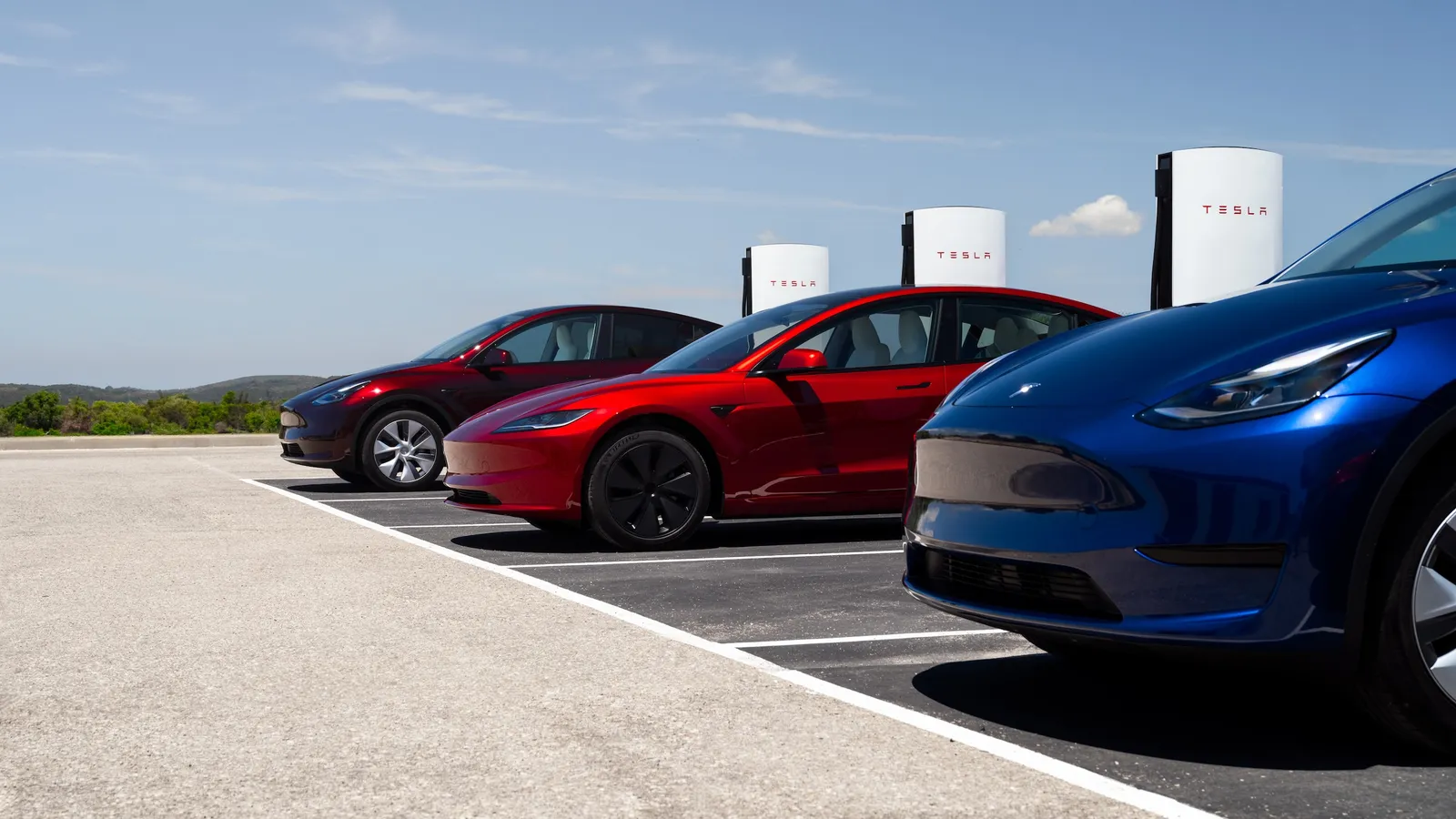
Beyond the aspiration, drivers want clear information about charging, software support and servicing, wrapped up in a slick experience that delivers. These are opportunities to build trust long after the initial sale, especially around EV resale price concerns and dead brands.
Give drivers something to stay for
I recently visited Shanghai for business and was struck by how similar most of the EVs on its streets looked. Ironically, many of them are made by companies that also make smartphones. That sharpened the question for me: when products appear increasingly alike, what makes one manufacturer worth choosing again?
Now, we all know UK and Chinese consumers have different tastes and priorities. But established carmakers face the same challenge: turning a first EV purchase into a lasting relationship. An EV can be anything from an introduction to a new brand to a total restart for a familiar one.
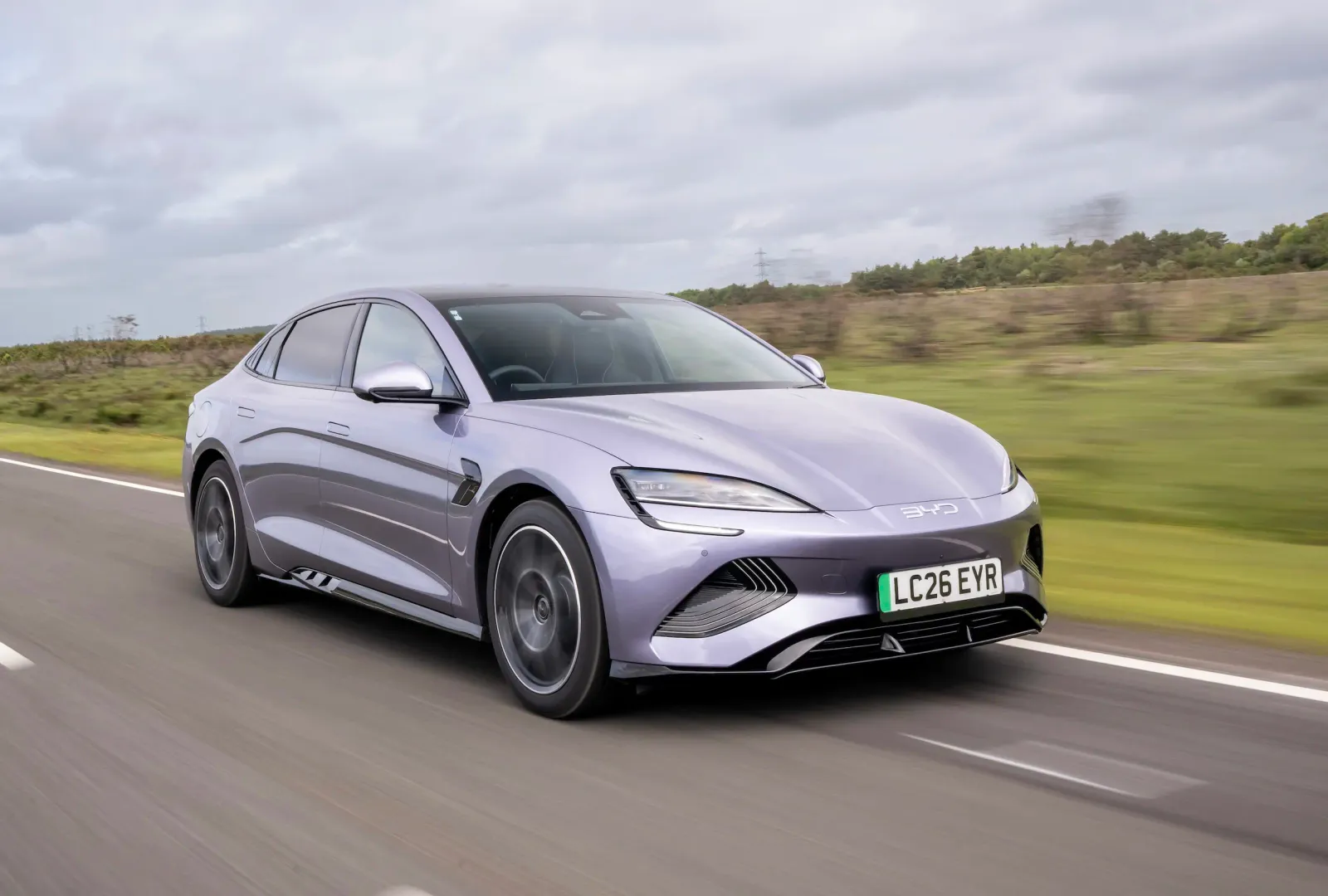
For established brands we’ve known for years, it’s about transferring that excitement to EVs. For new brands, building a trusted, distinctive brand needs to become a central commercial priority if they want to retain customers through this wave of change. The promise has to run from the first advert to the next purchase.
And you don’t need to take my word for it. In a soon-to-be-published EV report we commissioned at Koto, Andrea Mallo, Head of Retail Marketing & Partnerships at Genesis Motor Europe, hits the nail on the head:
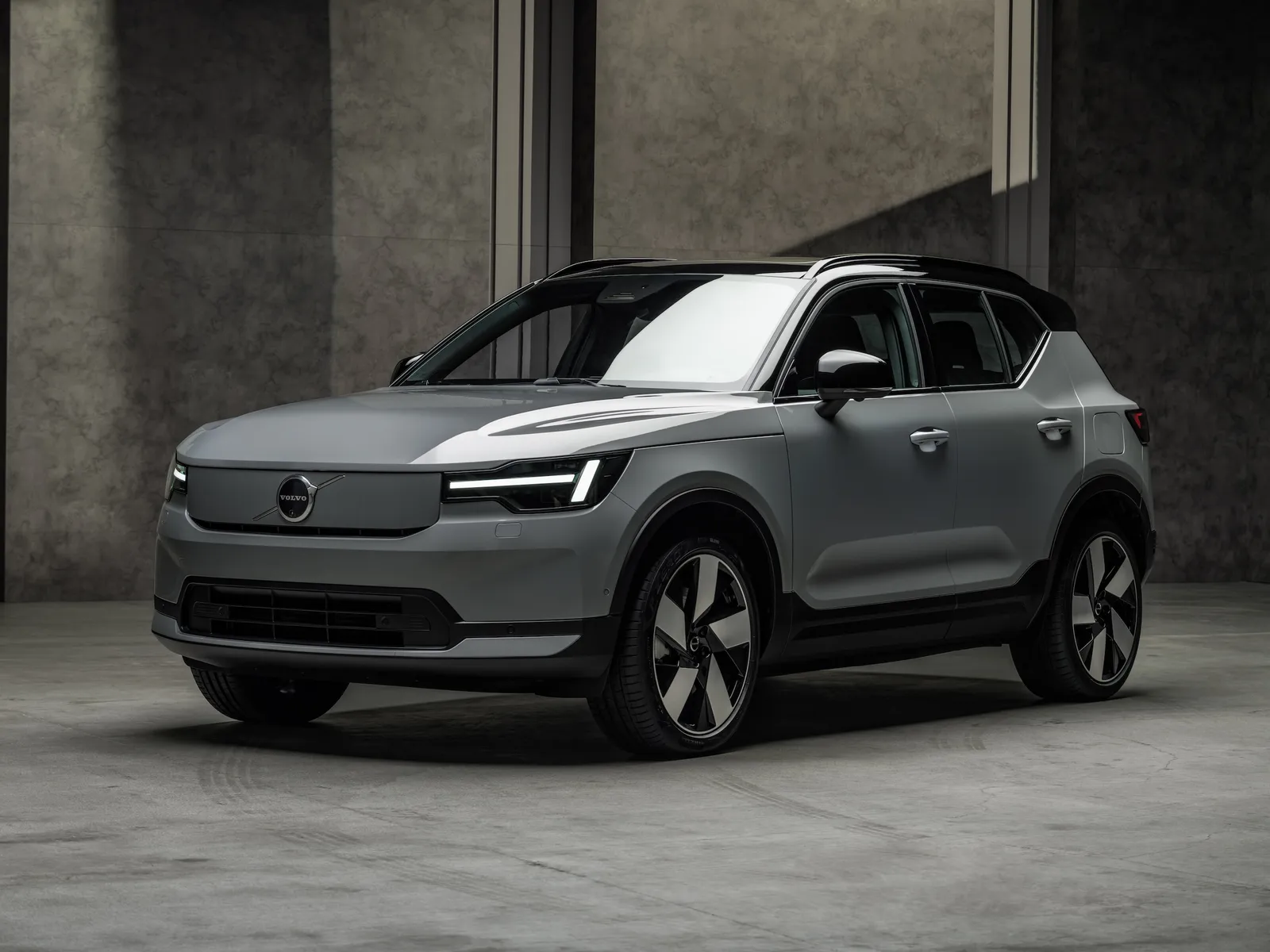
“If you can find the niche where emotion and convenience come together, I think that’s the sweet spot.”
Apple has me locked in generation after generation for my smartphone, even as competitors innovate and Apple charges a premium. How will car companies keep drivers coming back for more? For me, it requires a serious effort in brand building—and quickly.
This text was written by Koto CEO, James Greenfield, for EV Powered.