
Consultants warn of crisis in European auto industry
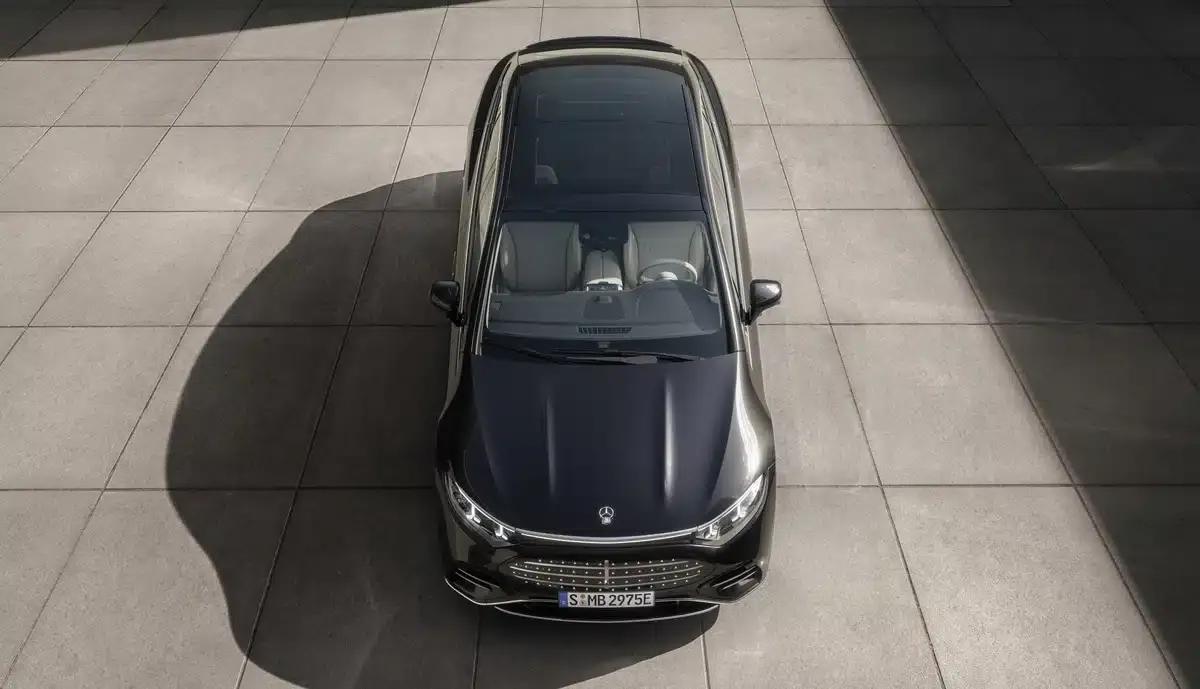
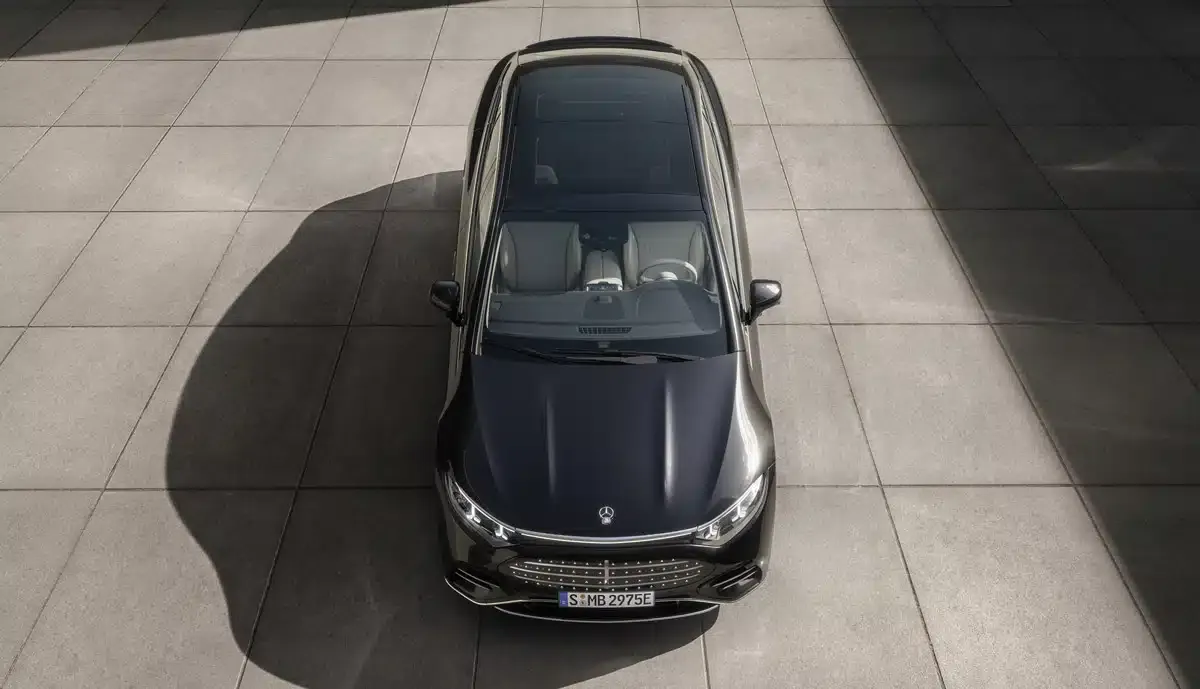
Image: Mercedes‑Benz (illustrative)
AlixPartners urges European automakers, suppliers, and governments to take “urgent” action to secure the future of the European automotive industry. In their analysis titled “Can Europe Still Build Cars into the 2030s?” the consulting firm identifies structural challenges that cannot be resolved solely through tariffs, trade exceptions, or existing industrial policy measures.
This includes particularly the cost disadvantage compared to Chinese manufacturers, delays in software development, and high investments in new vehicle technologies. As a result, an electric car from a Chinese brand costs around $20,000 (approximately 17,800 euros) to produce, while a comparable European model requires about $31,000 (27,600 euros). At the same time, manufacturers in the People’s Republic are developing software-defined vehicles more quickly and bringing new models to market faster.
While European automakers earn on average less than one-third of their revenue from models introduced in the past three years, Chinese competitors achieve this proportion at 76 to 100 percent. Developing new electrified and software-defined vehicle platforms also requires billions in investment.
Regional platforms needed
Additional challenges arise from varying regulations in China, Europe, and the U.S. regarding vehicle connectivity, autonomous driving software, and data storage. According to AlixPartners, connected vehicles can no longer meet all three regulatory requirements with a single platform, forcing most European manufacturers to develop and fund three regional platforms.
According to the analysis, another particularly difficult issue is the cost problem related to batteries, as around 80 percent of the refining capacity for cathode materials and battery-grade materials is located outside Europe. As a result, European battery manufacturers remain dependent on precursor materials whose prices and control are also outside Europe.
According to the consultants, economic difficulties are already evident in the utilization rates of European automobile factories. Currently, 15 plants are operating at less than 60 percent of their capacity, leaving untapped production potential for around 2.5 million additional vehicles per year. Chinese manufacturers are attempting to use some of this capacity for their entry into the European market, according to AlixPartners. Meanwhile, the EBITDA margins of European automakers have dropped from 13.2 percent in 2021 to 6.9 percent by 2025.
“The window of opportunity is closing.”
AlixPartners urges manufacturers to combine their operations, repurpose facilities, or close plants if necessary. The policy aims to reduce industrial energy costs and provide long-term planning certainty in the regulation of electric vehicles. Consultant Andrew Bergbaum warns of a shrinking financial margin for action, stating, “The window to act from a position of financial strength is closing.”
"The good news is that this isn’t a story with a predetermined ending," says Bergbaum. "The companies and governments that take bold actions now will shape Europe’s automotive industry in the next decade. Those who continue to hesitate will find that these decisions are made for them — under the terms set by others. The path forward is clear, but it remains to be seen which companies — and which governments — are willing to take it."
Germany, Europe’s largest automobile market, vividly illustrates the European challenge according to Xing Zhou, DACH Co-Leader of the Automotive & Industrial practice at AlixPartners. China has long been the second most important home market for German automakers, but Chinese consumers no longer offer manufacturers the same opportunities as before. On their home market, Chinese brands have taken away 10 percent of sales volume from Western manufacturers within a few years, fundamentally reshaping consumers’ expectations regarding price, technology, and innovation.
Also interesting
About the author
Thomas Langenbucher is an expert in electromobility with professional experience in the automotive industry and finance sector. Since 2011, he has been covering electric vehicles, sustainable technologies, and mobility solutions on ecomento.de. Learn more.
Reader interactions