
Bentley Torcal test fleet tops one million kilometres
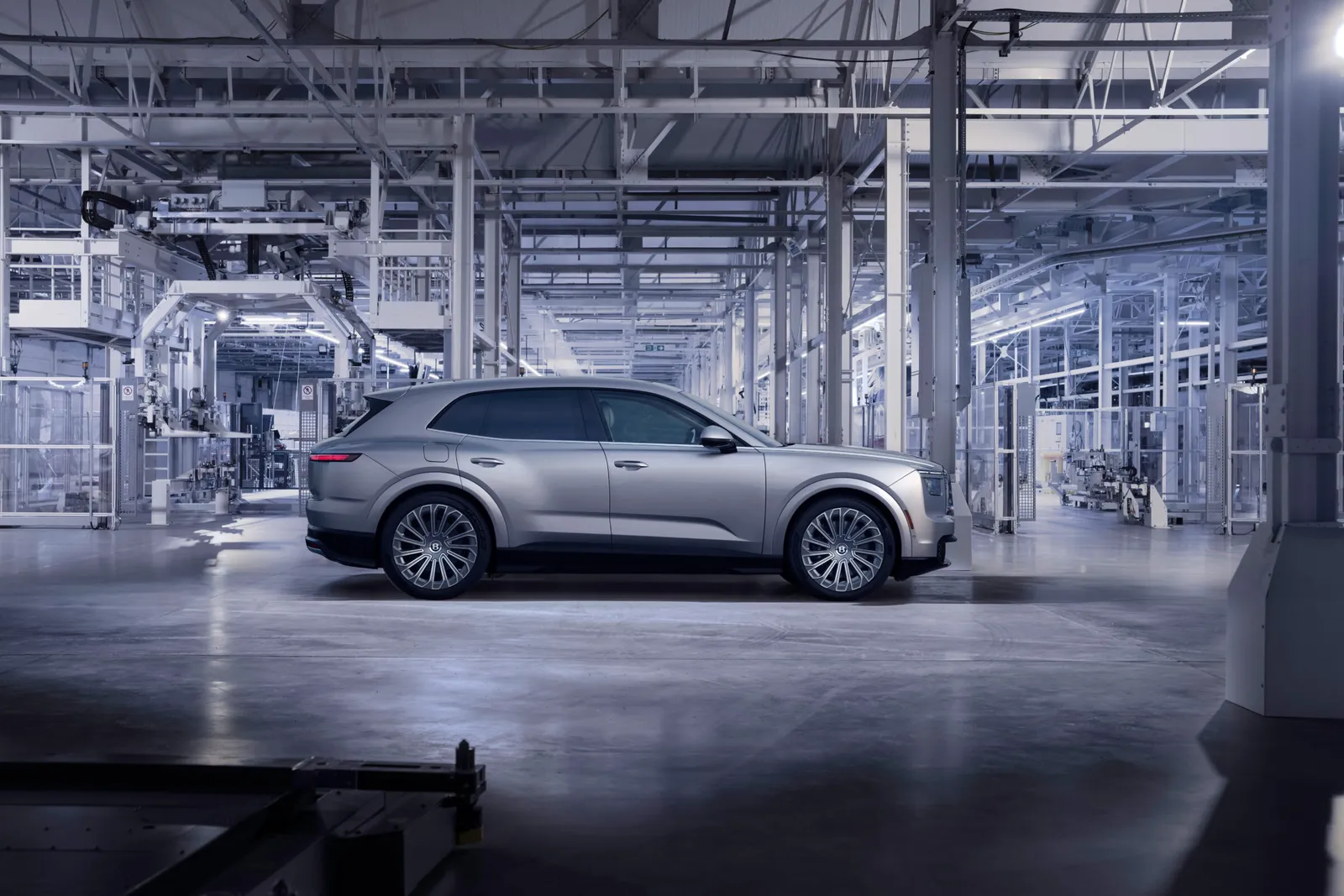
Bentley’s first electric car, the Torcal, has completed more than one million kilometres of testing across its development fleet, the manufacturer has revealed, with prototypes subjected to freezing temperatures, desert heat and battery impact trials as the model moves towards customer deliveries.
The programme has taken prototype and pre-series cars from temperatures of -38°C in Sweden to more than 40°C in desert conditions. Testing has also extended from sea level to above 14,000ft at Pikes Peak in Colorado, giving engineers a wide range of environments in which to assess the vehicle.
The million-kilometre total, equivalent to more than 621,000 miles, covers the combined mileage of development prototypes and pre-series vehicles. Bentley presents that running as part of a programme lasting several years, intended to establish whether its first EV can deliver the refinement, performance and everyday usability customers expect.
Disclosing details on 29 October, the Crewe manufacturer outlined a development process combining extensive physical testing with virtual cabin assessment and software integration cycles every six weeks. Battery protection is a central element, including a requirement to prevent fire propagation or explosion for at least two hours during a thermal incident.
The announcement follows the Torcal’s unveiling in September and shifts attention towards the engineering work behind Bentley’s transition to fully electric motoring. The latest release gives no new UK pricing or firm date for first customer deliveries, and provides no measured results for winter range or charging performance.
The standard Torcal’s current specification lists a 113.2kWh battery and two electric motors producing a combined 821PS. Bentley quotes up to 373 miles of range and a 16-minute charge from 10% to 80% using suitable 400kW rapid charging infrastructure, although European range and consumption figures remain subject to type approval.
Acceleration from rest to 60mph takes a claimed 3.3 seconds. Those figures establish the performance promised by the new model; the latest development update concentrates on the work intended to make its hardware and software dependable across a broad spread of operating conditions.
For prospective owners, the most substantial new detail concerns protection of the high-voltage battery. Bentley says the pack weighs approximately 625kg and delivers an energy density exceeding 180Wh/kg. Protecting that assembly against impacts from below is an important part of the vehicle’s extensive battery safety validation programme.
A composite impact shield sits underneath the battery to protect its cells and associated components. The company says this physical barrier works alongside multiple layers of protection and monitoring integrated throughout the vehicle, with the overall system designed to safeguard occupants if the battery sustains significant damage.
One of the more striking procedures involves launching a 30mm steel projectile, weighing about 111g, at the battery enclosure at speeds exceeding 100mph. Bentley says the test assesses the enclosure’s resistance to impacts associated with road use, subjecting the protective structure to a concentrated strike.
The thermal requirement addresses a different potential failure. Bentley says the battery must remain free from fire propagation or explosion for a minimum of two hours in the event of a thermal incident. That describes a validation requirement; the release does not provide the detailed test protocol or independent results.
Environmental assessments also include salt-spray exposure to check corrosion resistance, alongside a broader series of durability evaluations. Together, the impact, thermal and environmental work forms part of the battery’s validation and regulatory compliance programme, which Bentley says is intended to meet safety standards across its global markets.
Software development runs in parallel with the physical work. Three specialist teams collaborate on the electrical architecture, integration of software and validation testing. Bentley describes the Torcal’s electrical systems as one of the most ambitious engineering challenges it has undertaken, reflecting the breadth of the new vehicle’s development requirements.
A fresh software integration level is produced every six weeks, bringing together refinements, additional functionality and performance improvements. Each version is tested in laboratory environments and in real vehicles before the programme advances to its next stage, allowing engineers to check how successive changes behave within the wider electrical system.
Inside the car, Bentley has made greater use of Extended Reality, or XR, than in any previous development programme. The technology combines physical and digital environments, enabling engineers and designers to explore cabin layouts and interactions before the corresponding production components have been made.
Using its XR Hub, the company’s Concept Validation team created a digital Torcal cabin with adjustable seating positions, interactive controls and a realistic interior environment. This allowed different arrangements to be evaluated earlier, when changes could still be incorporated without waiting for a complete set of physical parts.
The work focuses on ergonomics and vehicle architecture: how occupants sit, reach controls and interact with the space around them. Bentley says earlier assessment has reduced development time, increased flexibility and improved sustainability, although it has not quantified those savings or set out an environmental comparison.
Beyond the cabin, Bentley says its virtual development processes identify and resolve hundreds of packaging and assembly challenges before a physical vehicle is built. This brings problem-solving into an earlier phase, before physical checks examine the actual components and the way they fit together during assembly.
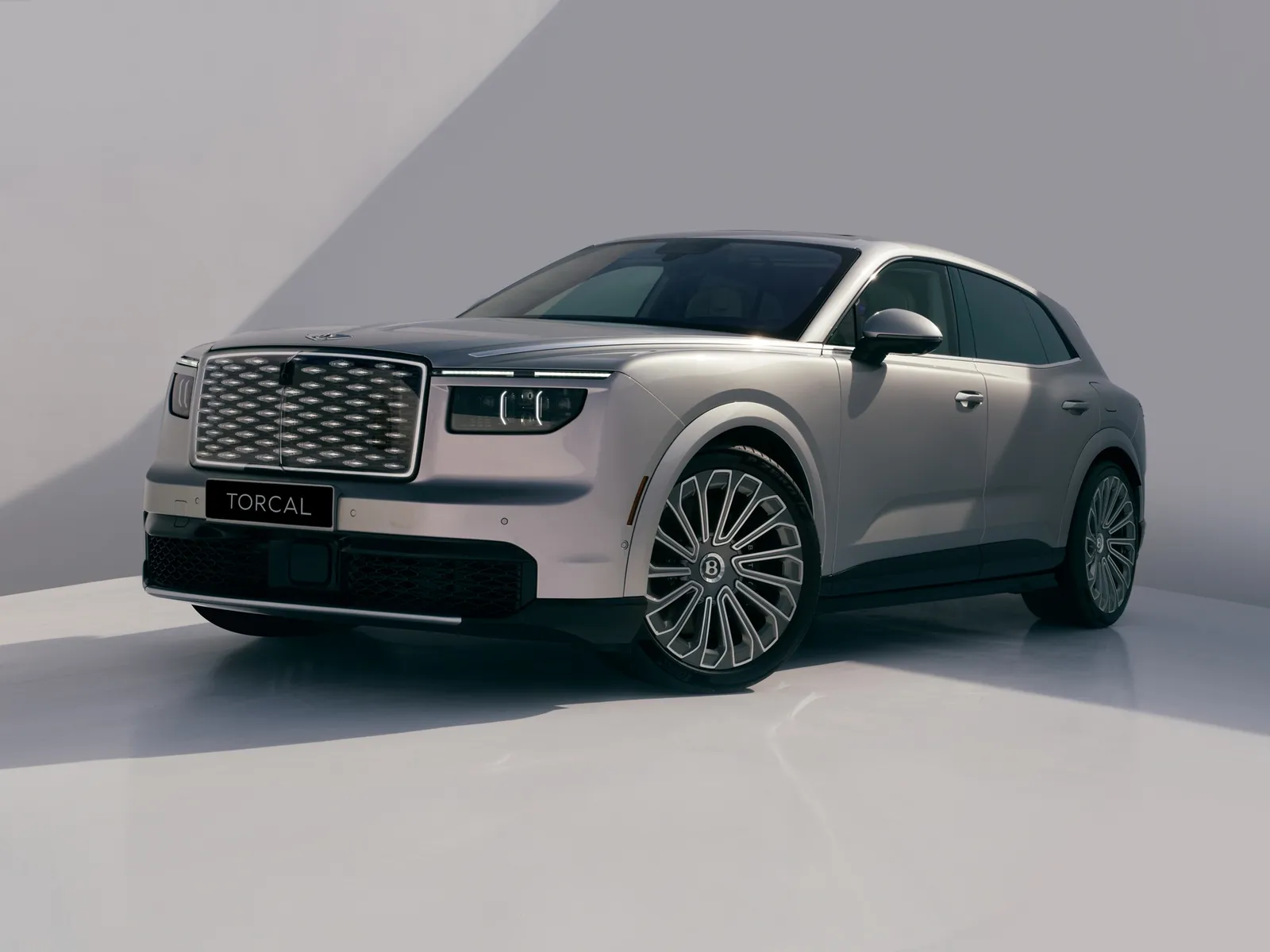
Virtual assessment is followed by a stage Bentley calls Physical Design Confirmation. Engineers use actual components to examine their fit, the clearances around them, accessibility for servicing, build quality and customer interaction. The exercise provides an opportunity to resolve practical issues while changes remain easier to implement.
More than 90% of the Torcal’s parts were available during this stage, according to Bentley. Having such a large proportion of components ready enabled validation work to progress and gave teams an earlier opportunity to feed findings back into the design process before the car reached later development stages.
Laser scanning helped connect that physical work with the digital design. Engineers compared scans of real components against computer-aided design data to identify deviations, allowing differences between the intended shape and the manufactured part to be investigated early in the programme.
Bentley also carried out sequenced slow-build exercises to simulate production conditions. These checked the assembly process and the flow of manufacturing, extending validation beyond individual components to the practical task of putting the vehicle together in the intended order.
Much of the running programme took place beneath camouflage. Bentley says the disguises changed with the vehicle’s maturity and test location, ranging from complex graphic wraps intended to disrupt photography to temporary body panels that concealed key styling features.
Different stages required different levels of concealment as the development cars travelled between environments. With the Torcal now publicly revealed, Bentley is removing that camouflage from the test fleet as preparations continue towards customer deliveries.