
Bentley reveals electric Torcal SUV with 375-mile range and 888PS
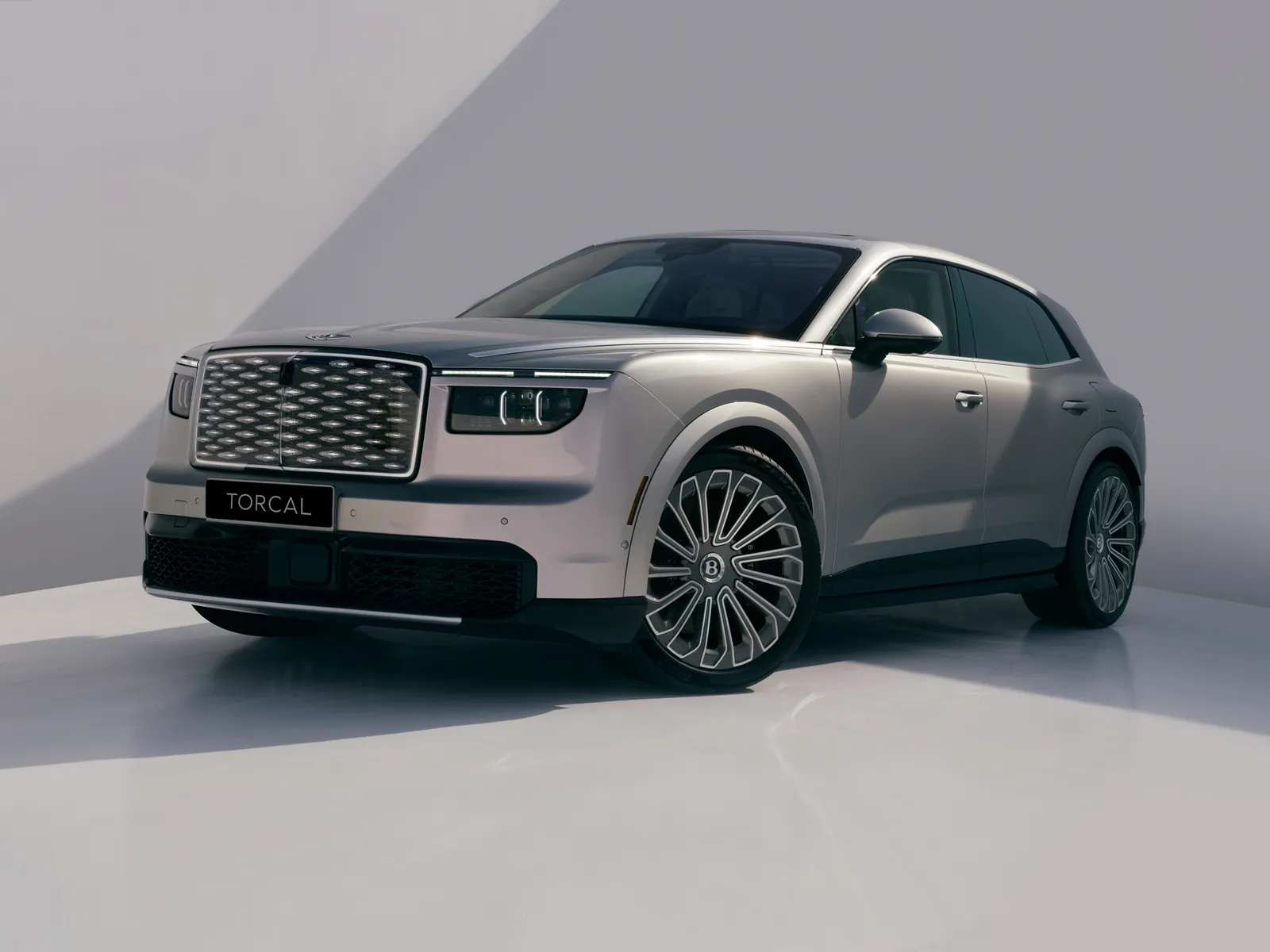
Bentley has unveiled its first fully electric car, the Torcal, promising up to 375 miles of range, 400kW charging and a 0–60mph time of 2.8 seconds. The five-metre SUV introduces a fourth model line for the British manufacturer, with standard and more powerful S versions announced at its London debut.
Designed, engineered and built in Crewe, the Torcal combines a 113kWh usable battery with two electric motors and an 800V electrical architecture. Bentley says it can replenish its battery from 10–80% in under 20 minutes, while adding approximately 100 miles of range takes seven minutes on a suitable rapid charger.
The announcement adds a battery-electric option alongside Bentley’s combustion-engined and hybrid models. UK prices, order dates and the timing of first customer deliveries have not been disclosed. The quoted range remains provisional, with the release stating that European electricity consumption and electric range data are subject to type approval.
The standard Torcal produces 821PS and 1,194Nm of peak torque, accelerating from rest to 60mph in 3.3 seconds and reaching 155mph. The S raises output to 888PS and 1,350Nm with launch control active, cutting the sprint to 2.8 seconds and increasing maximum speed to 162mph.
That torque figure is the highest Bentley has offered. However, the company says its engineers deliberately settled on this level of acceleration because customers can find more extreme performance uncomfortable. The emphasis is on making the power accessible and progressive, although those claims will need assessing behind the wheel.
Bentley chairman and chief executive Dr Frank-Steffen Walliser said: “The Torcal is a Bentley first and foremost, created by hand by people who care, using the best available materials and technology to blend heritage with cutting-edge innovation. I believe this is one of the best Bentleys ever.”
Bentley describes the Torcal as a template for future models, covering design, craftsmanship and technology as well as sustainability. Production in Crewe is supported by suppliers across the UK, although investment figures were not disclosed.
The battery contains 192 lithium-ion pouch cells connected in series and carries a ten-year, 100,000-mile warranty. Both permanent magnet synchronous motors use dry-sump designs with lifetime oil fills. An open differential serves the front axle, while the rear has a locking differential with a multi-plate clutch on each output shaft.
Charging speed will be particularly important for a car intended to cover long distances in comfort. The claimed 400kW capability and seven-minute range top-up suggest short stops under suitable conditions, but Bentley has not provided a charging curve or separate range figures for the two versions in its announcement.
The Torcal also introduces fully active suspension to Bentley. Its adaptive two-valve dampers can be raised or lowered independently in response to road conditions and driver inputs, controlling body movement without conventional anti-roll bars. Bentley says the system can vary its response to suit different driving modes.
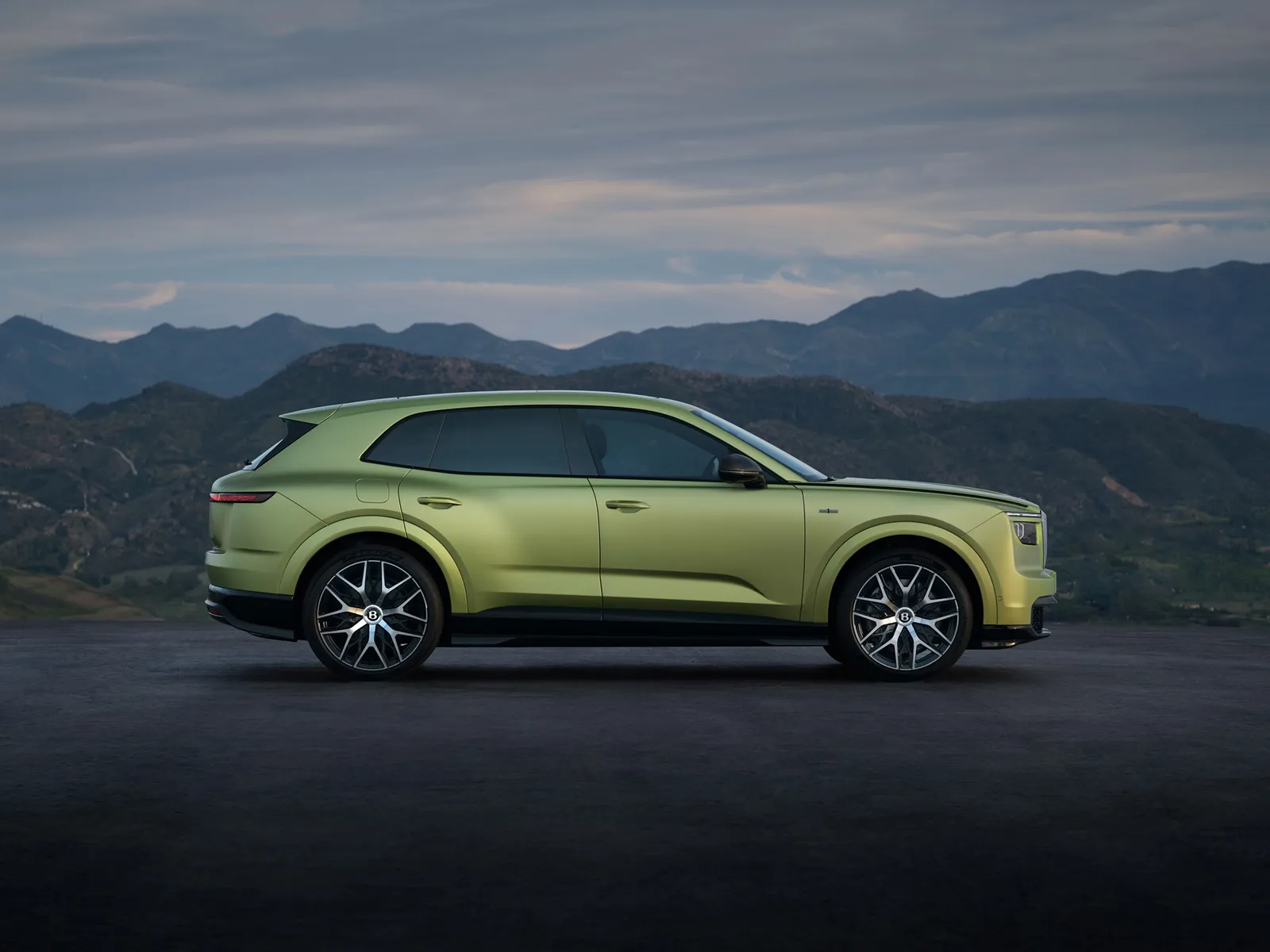
All-wheel steering is standard, with the rear wheels turning by up to five degrees to deliver an 11.1-metre turning circle. Despite measuring five metres long, the Torcal is Bentley’s shortest four-door model. Luggage space comprises a 460-litre boot and a further 90 litres beneath the bonnet.
Standard iron brakes use 420mm front discs and 370mm rears. Buyers can specify carbon silicon carbide ceramic brakes, increasing disc sizes to 440mm and 410mm respectively. The core model rides on 21-inch wheels, while the S has 22-inch wheels. An aerodynamically focused 22-inch design is among the options.
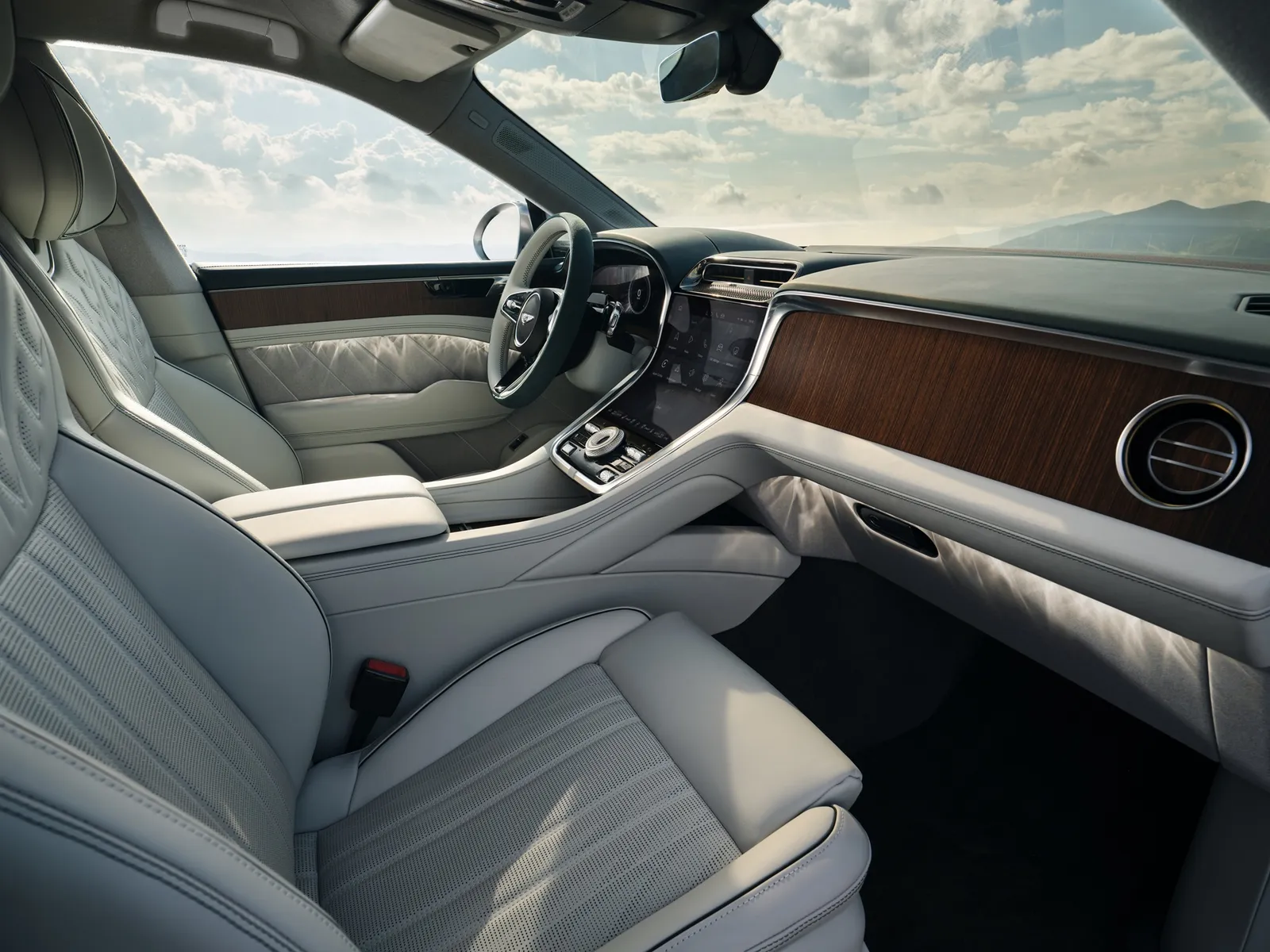
Inside, Bentley retains physical controls on the centre console and steering wheel alongside curved OLED screens. An augmented-reality head-up display places navigation instructions and driver-assistance information in the driver’s field of view. Facial recognition loads preferences such as seat and steering wheel positions, and a smartphone can function as the key.
Standard seats include 16-way adjustment, heating, ventilation, adjustable bolsters and massage. Optional Postural Adjust and Smart Seat Climate systems alter pressure distribution and regulate heating and ventilation during a journey. The Wellness Seat Specification extends massage to the seat cushion, covering the legs as well as the back and shoulders.
The rear bench accommodates three passengers and introduces powered folding to Bentley. A switchable-glass sunroof allows occupants to adjust the light entering the cabin, while four powered doors use radar control. The driver can close their door by pressing the brake pedal; passengers can trigger closure by fastening their seatbelts.
A total of 25 radars, sensors and cameras support driving and parking assistance. Bentley says the Torcal can automatically reverse to a previously identified passing point when an obstruction blocks a narrow road. Other functions include remote parking through an app, learned parking manoeuvres and assistance with towing and parallel parking.
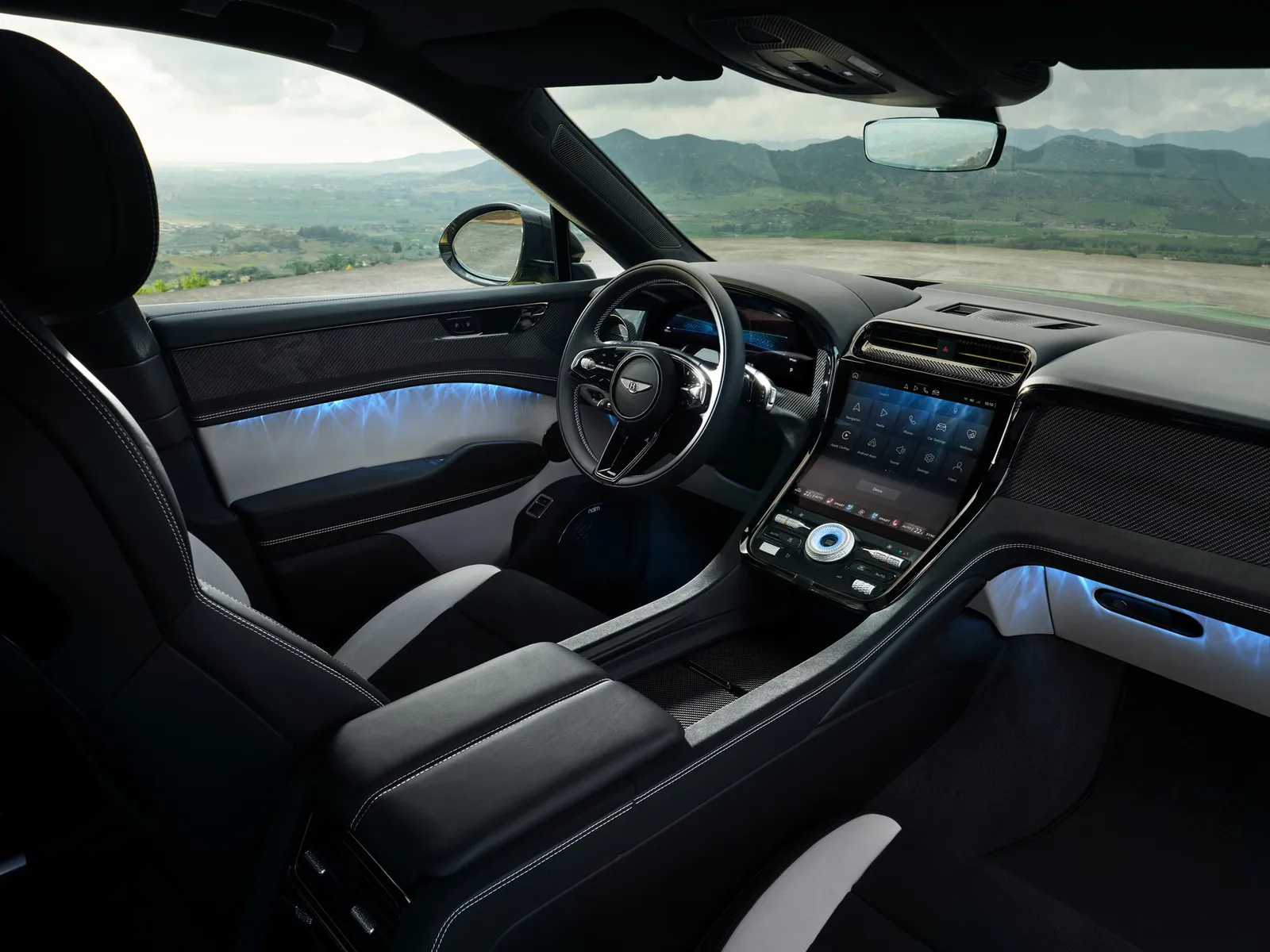
Four Experience Modes alter cabin lighting, sound, climate and displayed information alongside the driving settings. Bentley Mode provides the default balance, while Comfort offers a reduced-information display. Sport increases the prominence of the soundtrack and changes control responses. Refresh increases fresh-air circulation and brightens the lighting.
That soundtrack is an unusual part of Bentley’s approach to electrification. Musicians used drums, viola and bass guitar to create the Bentley Dynamic Symphony, taking inspiration from the rhythm of its traditional 6¾-litre V8. The resulting sound responds to torque demand and vehicle speed, becoming louder in Sport mode.
Drivers who prefer quiet can switch it off completely. Other sounds draw on recordings of physical objects: the indicators use a hammer striking leather in Bentley’s upholstery workshop, while touchscreen and digital assistant tones originate from a crystal glass. Audio options include a 1,780W Naim system with 28 speakers.
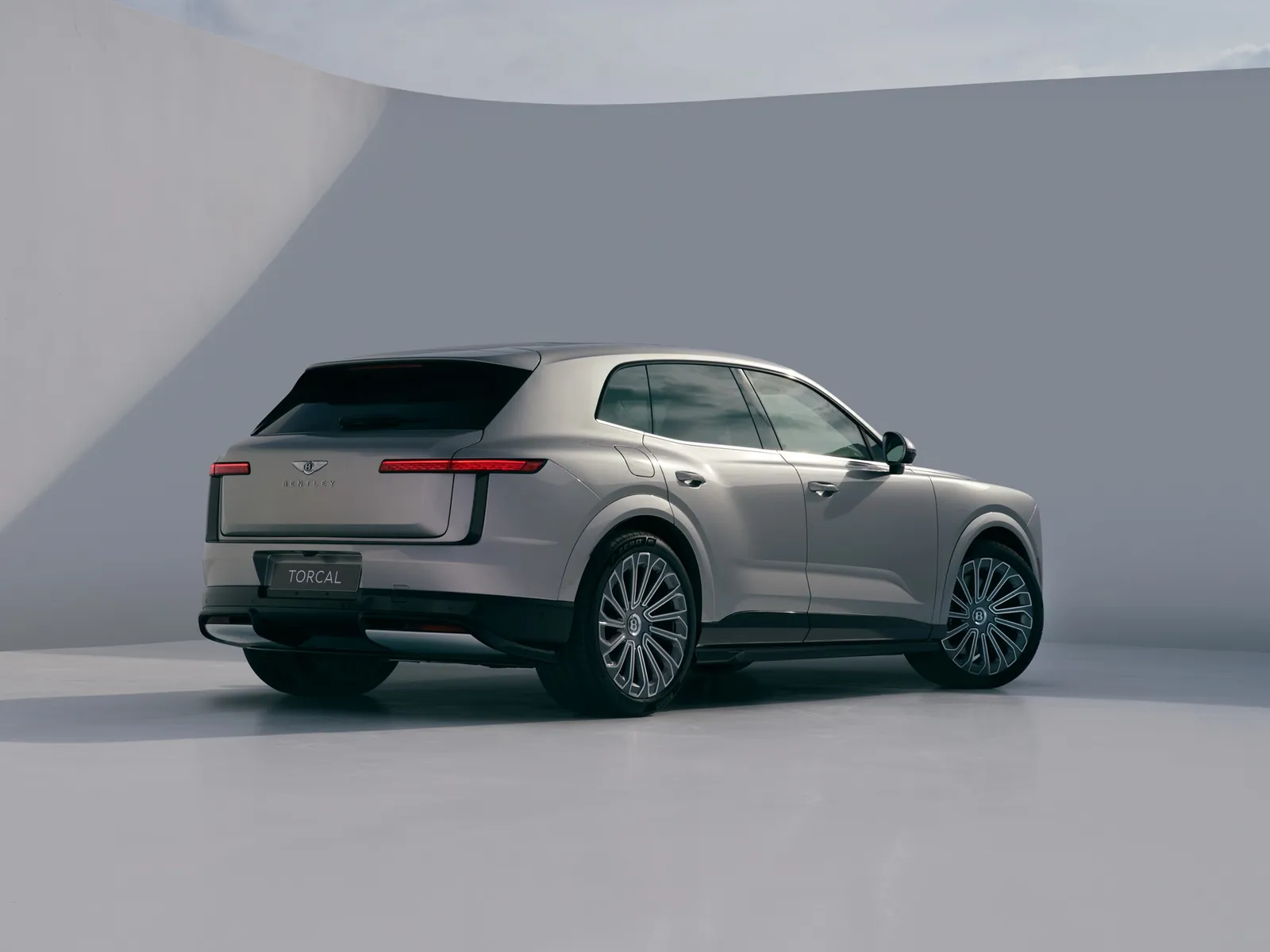
Design director Robin Page’s team has given the Torcal a long wheelbase, short overhangs and a tapering cabin above pronounced rear haunches. An illuminated diamond grille defines the front, while the rear draws on the EXP 15 concept. It also becomes the first Bentley to wear the company’s redesigned emblem.
The S adds black exterior trim and mirror caps, dark rear lights, red brake callipers, a rear diffuser and sports sills. Inside, it receives its own colour arrangement, quilting and stitching, sports pedals and piano black veneer. The standard model instead features satin silver exterior trim and open-pore walnut.
New cabin materials include a pure Merino wool fabric developed with Somerset textile company Fox Brothers. Bentley says it is the first automotive wool fabric certified to the Responsible Wool Standard. Mulliner’s Ombré Walnut finish combines up to 1,000 layers of walnut offcuts and recycled paper, pressed together and thinly sliced.
The wider interior selection includes 15 leather shades, matching Dinamica colours and five wool colours. Buyers can also choose from six wood veneers, two technical finishes and six piano finishes, extending the personalisation options.