
2027 stamp duty exemption trick: electric vehicles over 5 years old still have to pay

The stamp duty exemption trick: there will be no reduction for electric drivers. They are excluded from the government’s measure. Electric cars remain exempt only for the first 5 years, after which a reduced rate applies—one quarter of the stamp duty required for vehicles with similar power output. There are no issues in Piedmont and Lombardy (the exemption is permanent). But in other regions, a paradox arises: by 2027, owners of polluting cars will not have to pay a single cent. Those who drive electric vehicles that are over 5 years old will still have to pay a fee, albeit reduced.
With Meloni: “Those who don’t pollute, pay”
Electric cars over five years old are extremely rare: sales only really started growing from 2020, so we’re talking about just a few thousand vehicles. These are the pioneers who invested when the technology was still in its infancy. And it’s not just a feeling—they are being penalized today.
E.ON and BYD Team Up on Smart Charging and V2G: Debut in Germany
Although the amount is modest—ranging from 30 to 50 euros—it remains a joke. Electric vehicles cost more upfront, but they end up being more economical over time, thanks also to the small advantages that are now disappearing: toll-free zones and free parking.

The logic is reversed: instead of the principle “who pollutes pays,” under the government led by Giorgia Meloni, it is those who do not pollute who end up paying.
Toll Exemption Joke: A Sign of Great Negligence?
It may be a minor economic joke affecting only a few people — thus, if one is cautious, a very small electorate — but it is one of many signs of neglect toward the energy transition and the fight against pollution.
Autonomous driving in Italy: when will it arrive?
Public funds continue to finance Euro 6 diesel vehicles, while the latest subsidy for charging stations excludes those who invested before June 26, 2026. This is a series of decisions that the Court of Auditors recently documented in writing: its report highlighted how the incentive policies are not aimed at achieving maximum electrification of fleets.
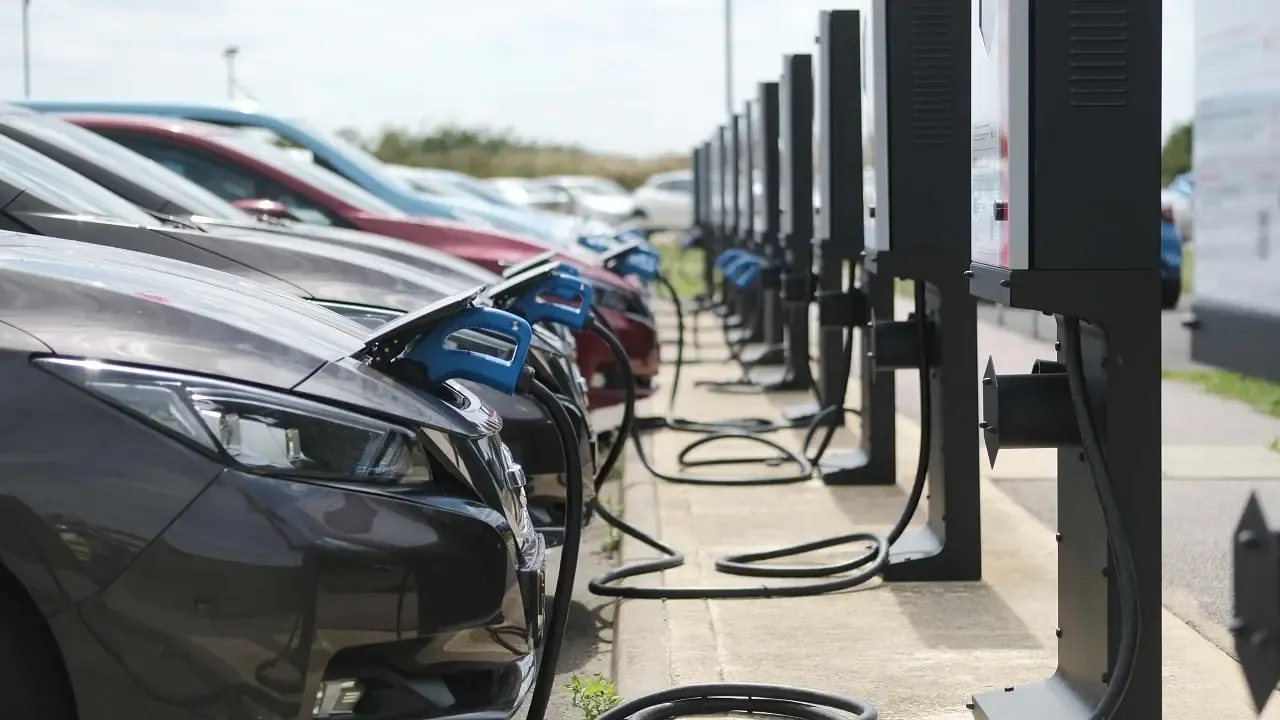
Being the last in Europe in terms of electrification rates — from nearly 100% in Norway and Denmark to over 30% in France and Germany — may have cultural roots, but it certainly doesn’t help. In fact, it highlights a gap that represents a sharp contrast with countries that have accelerated their transition to electric vehicles, while we fall behind at a time when consistency in political messaging is especially needed.
READ ALSO: Cardinals (UNRAE): Electric cars moving backward, now a wake-up call/ VIDEO
Previous Article
ID.3 with 326 hp (GTI): Is it sensible?
Next Article
Schlein to Meloni: 14 billion for climate and energy in 5 proposals