
BDEW survey: 94 percent would buy an electric car again
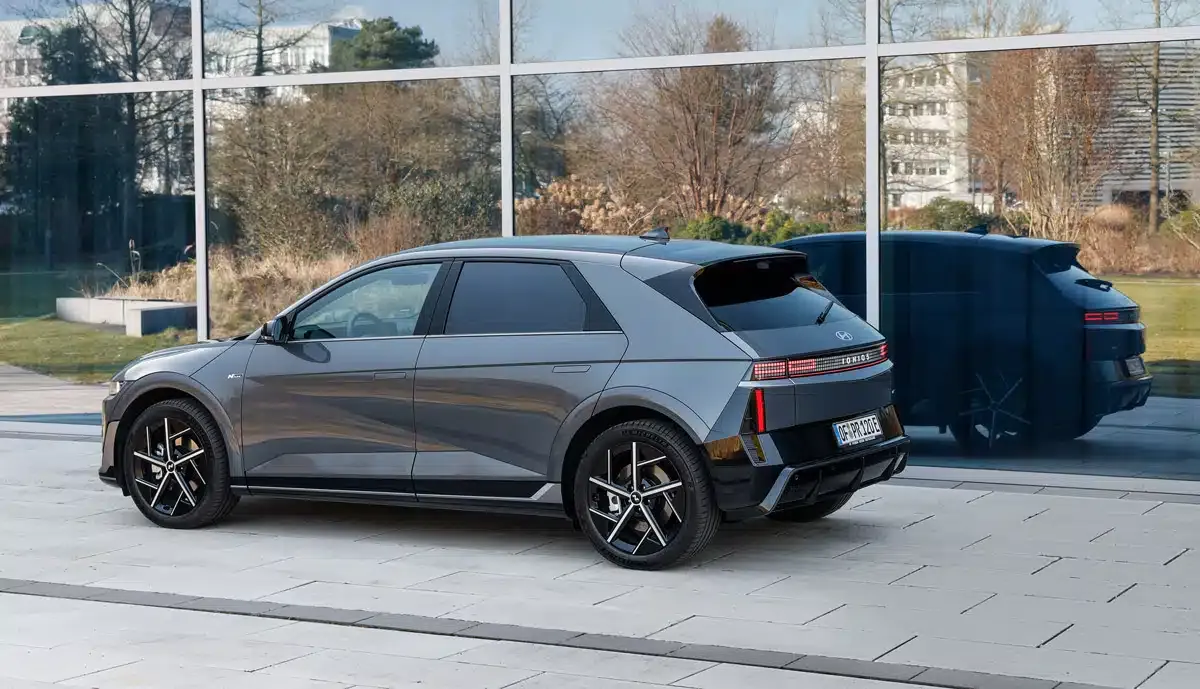
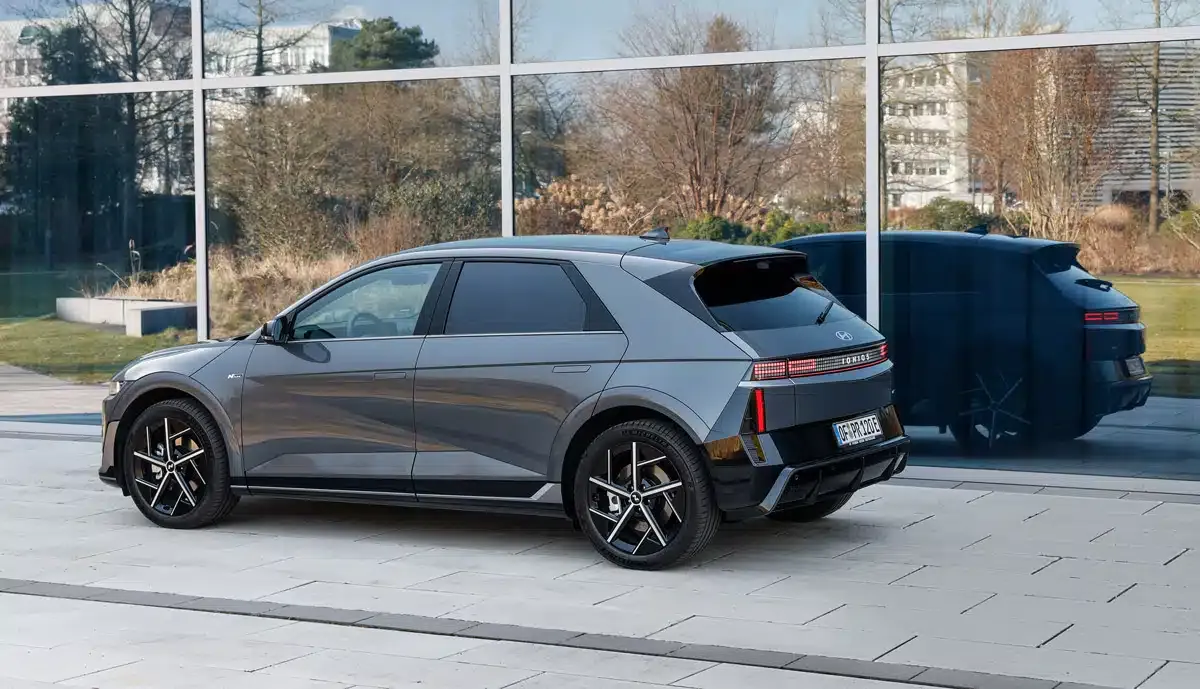
Image: Hyundai (illustrative)
The Federal Association of the Energy and Water Industry (BDEW) surveyed around 1,000 electric vehicle owners in Germany for its fifth user survey on “Electrification and Charging.” Topics included purchase motivations, charging habits, and challenges related to charging. 94 percent said they would choose an electric vehicle again when purchasing a car next time, and the same percentage would recommend it to others as well.
As experience grows, confidence in the technology increases. After purchase and with more driving time, concerns such as range, operating costs, and charging become less important. Instead, value depreciation and delivery times gain more attention from respondents.
Rising oil and gasoline prices, lower maintenance costs, tax incentives, a wider range of models, and the narrowing price gap between electric vehicles and comparable gasoline-powered models are making electromobility increasingly economically attractive. At the same time, more households with moderate incomes are opting for electric vehicles. The proportion of respondents from households with a net income of less than 5000 euros rose from 55 to 67 percent, an increase of 12 percentage points.
When choosing a charging location, the route is the most important factor, followed by charging speed and cost. 82 percent use a charging app or card mainly for convenience. Nearly 60 percent employ a price comparison app to find favorable charging rates.
The respondents are generally satisfied with public charging options. 91 percent feel their expectations for public charging have been met, while 55 percent believe they have even been exceeded. Meanwhile, home charging and charging on highways is declining, as urban charging hubs become 18 percentage points more important by 2025.
"Electrified mobility works."
"The numbers show clearly: Electrification is proving to be successful. It’s suitable for everyday use, utilized by millions, with an expanding range of models, drivers being satisfied, infrastructure improving and growing, and economically, the shift is becoming increasingly attractive," says Kerstin Andreae, head of BDEW’s management board. "Electrification offers what people need in daily life: reliable range, easy operation, and a new driving experience. Additionally, the energy transition and electrification of transportation create greater resilience, stronger independence, and a competitive economic landscape. Every electric vehicle makes us less dependent on fossil fuel imports and international price fluctuations."
"The charging network is today denser and more capable than many people think," Andreae continued. "The energy and charging industry is delivering. Relying on stable regulatory conditions, it invested early and expanded charging infrastructure far beyond current demand. This must remain the case. The fleet limits in the EU should not be reversed; they are a crucial factor in fostering an attractive range of vehicles. Additionally, policymakers should recognize these very positive figures and further support electric mobility where it makes sense: by reducing electricity taxes for everyone, accelerating network connections through less bureaucracy and smarter solutions, as well as simplifying and speeding up land allocation by local authorities."
Also interesting
About the author
Thomas Langenbucher is an expert in electromobility with professional experience in the automotive industry and finance sector. Since 2011, he has been covering electric vehicles, sustainable technologies, and mobility solutions for ecomento.de. Learn more.
Reader interactions