
BDEW is demanding an exception to the Sunday driving ban for electric trucks
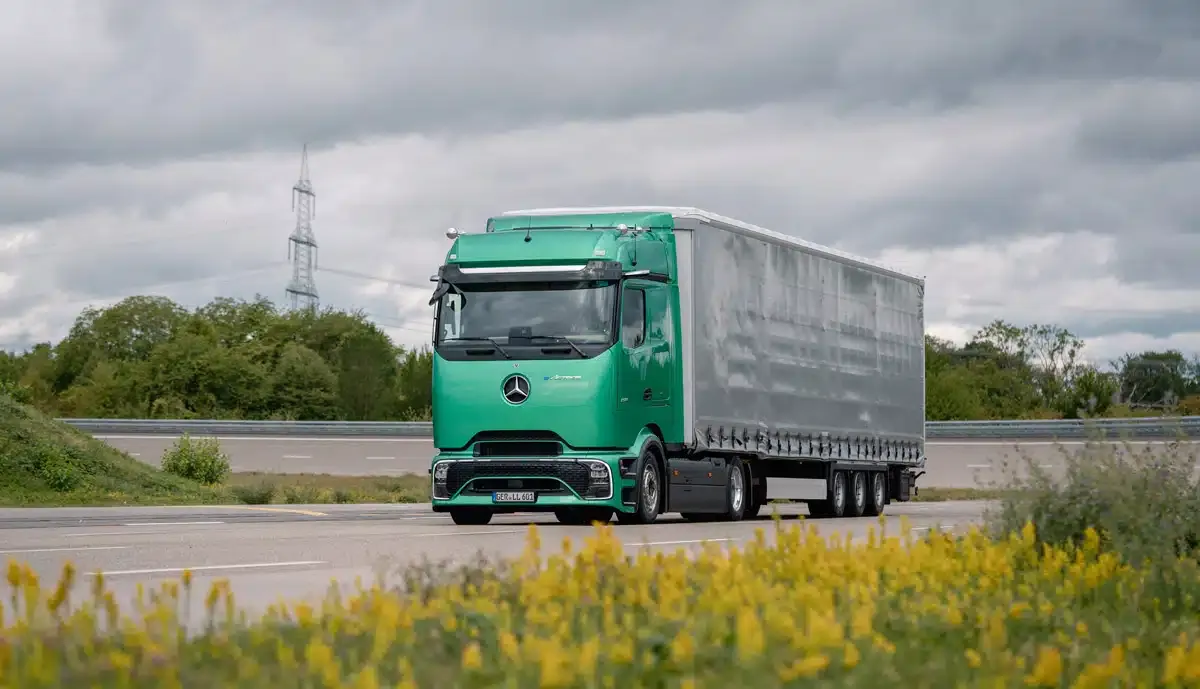
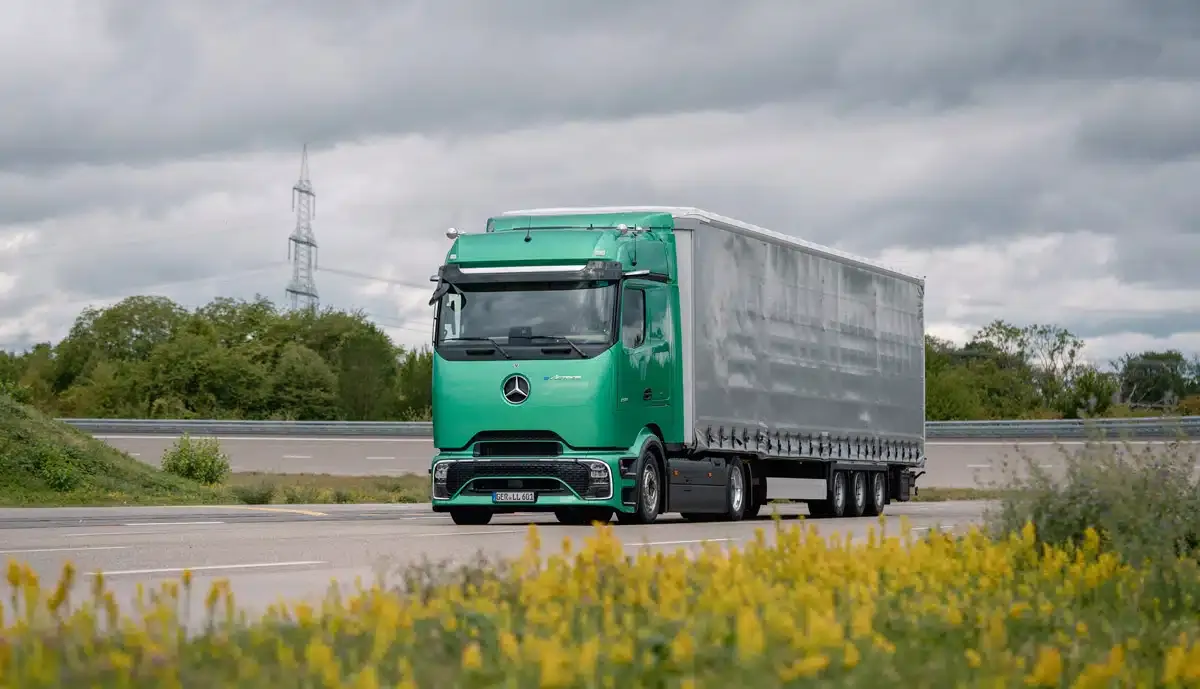
Image: Daimler Truck
The Federal Association of the Energy and Water Industry (BDEW) is calling for an exception to the Sunday driving ban for battery-electric trucks in a position paper obtained by Automobilwoche. The aim of this measure is to assist freight companies in replacing diesel trucks with electric vehicles. Allowing driving on Sundays and holidays would enable businesses to make better use of their electric trucks.
BDEW CEO Kerstin Andreae emphasizes that there is no attempt to completely lift the driving ban, but rather only an exception for electric trucks. “Those who switch to electric trucks would gain a real operational advantage,” said Andreae.
The association also criticizes the federal program aimed at establishing a fast-charging network for electric trucks on highways. According to BDEW, government coverage of investment and operating costs at 351 rest stops creates competitive distortions to the disadvantage of private charging station operators. “We reject the federal government’s incentive program for fast-charging networks for trucks on highways,” says Andreae.
BDEW calls for making more areas owned by the federal highway company available to private providers and facilitating the construction of new charging stations outside populated areas. The energy association estimates that by 2030, 3.7 to 6.5 billion euros will be needed to finance public charging facilities for heavy electric trucks in the EU.
According to the BDEW, financing is difficult because banks consider investments in truck charging stations risky due to the low number of vehicles. Since KfW does not assume higher risks than commercial banks, projects in the electric truck sector are not currently being financed. The association therefore calls for KfW to offer credit on a riskier basis.
Regarding European CO2 regulations, the BDEW adheres to the existing targets. A 45 percent reduction in fleet emission limits by 2030 is important for the profitability of charging services. According to Andreae, this is “essential for confidence in investment conditions.”
Also interesting
About the author
Thomas Langenbucher is an expert in electromobility with professional experience in the automotive industry and finance sector. Since 2011, he has been covering electric vehicles, sustainable technologies, and mobility solutions for ecomento.de. Learn more.
Reader interactions