
Electric car batteries: Europe may have only three years left to save its industry
Europe has invested heavily to develop a local battery industry, but it remains vulnerable to competition from Asia. In a new report, the Backbone Coalition argues that the next three years will be decisive. The group calls for more support for production, European preference policies, and trade measures against Chinese manufacturers.
Gigafactories have emerged in Europe, but the battle is far from won for manufacturers on the Old Continent. While several projects have faced delays or financial difficulties, a new coalition aims to persuade Brussels to take much greater action to strengthen the entire battery value chain.
Three Critical Years Ahead
In its report Europe’s Electric Backbone, the Backbone Coalition argues that the time window for action is extremely narrow. According to the organization, the next three years will be crucial to prevent investments, expertise, and research centers from permanently shifting to the United States, China, or other regions.
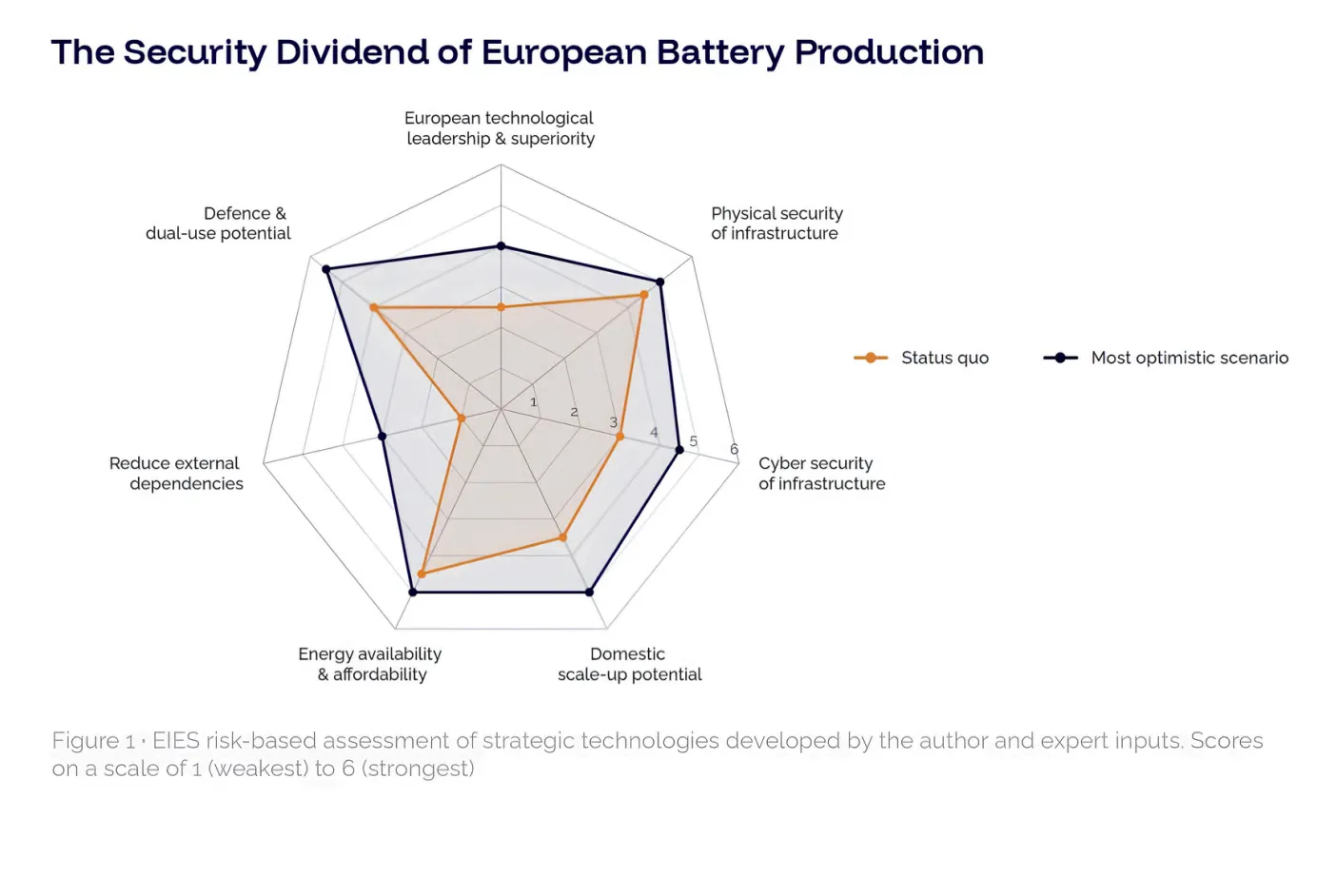
The stakes now extend beyond electric vehicles. Batteries are also used for grid storage, data centers, industry, and defense. Therefore, the coalition believes Europe must maintain capabilities in battery cells as well as in materials, manufacturing equipment, and software.
More support for production
Among the proposals is a change in how manufacturers are supported. Rather than “complex” and “too slow” mechanisms, the report suggests, for example, a fixed subsidy per kWh of cells or components produced in Europe. The goal is to provide greater transparency for industry players and private investors.
The coalition also wants to strengthen the “Made in UE” criteria in procurement support, taxation, and public contracts. It proposes that certain strategic components gradually be subject to European production requirements starting in 2027. This proposal aligns with the “Battery Booster” initiative adopted by Brussels.
Duties on batteries?
Another more aggressive option: launching an anti-subsidy investigation into Chinese batteries. The report suggests extending some of the logic already used by the European Union for imported electric vehicles from China to battery cells, battery management systems, and stationary storage. Does this ring a bell?
The goal here is not to relocate the entire supply chain. Instead, the coalition advocates for establishing a sufficiently strong European industrial base to reduce excessive dependence on foreign suppliers.